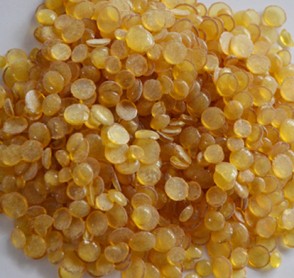
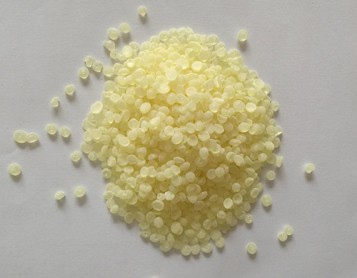
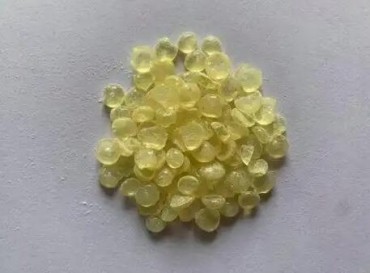
In the vast field of paint and ink, petroleum resin for paint and ink is like a shining star, playing an indispensable role with its unique multifunctionality. With the rapid development of industry, the performance requirements for paint and ink are becoming increasingly stringent, and petroleum resin has successfully met these complex needs with a series of outstanding characteristics. From improving the adhesion of paint to enhancing the printing performance of ink, petroleum resin for paint and ink has demonstrated extraordinary strength in every aspect of paint and ink. Next, let's delve into the multifunctional secrets of petroleum resins.
1.Molecular structural characteristics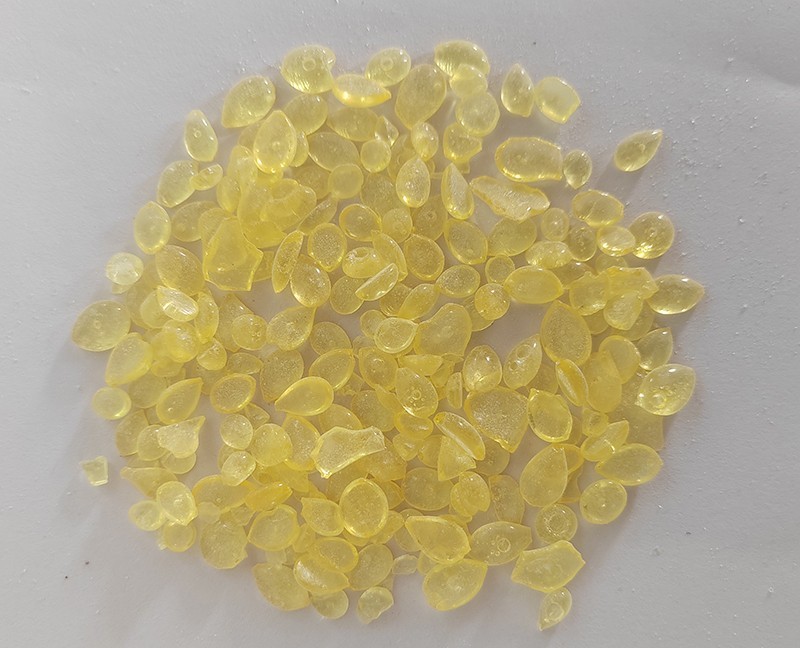
Petroleum resin for paint and ink is a low molecular weight thermoplastic resin (molecular weight 300-3000) prepared by cationic polymerization or thermal polymerization processes using C5 and C9 fractions, by-products of petroleum cracking, as raw materials. The unique combination of cyclic structure, double bonds, and long-chain alkyl groups in its molecular structure endows the resin with three core characteristics:
1. Non polar group dominance: The lack of polar or functional groups in the molecule makes it highly soluble in non-polar solvents such as aromatic hydrocarbons and aliphatic hydrocarbons, and has excellent compatibility with non-polar polymers such as natural rubber and synthetic rubber.
2. Excellent thermal stability: The double bond structure is not easily broken at high temperatures, ensuring stable performance of the resin during processing. It is suitable for high-temperature baking paints and fast drying inks.
3. Controllable physical state: By adjusting the polymerization process, multiple forms from liquid to solid can be obtained to meet the needs of different application scenarios. For example, low softening point resins (70-100 ℃) are suitable for rubber plasticization, while high softening point resins (100-120 ℃) are used for paint hardening.
2.Functional classification
According to differences in raw materials and performance, petroleum resin for paint and inks can be divided into five categories, each with unique functional advantages:
1. C5 aliphatic resin: a balance between glossiness and weather resistance
Prepared by catalytic polymerization of C5 fractions (isoprene, cyclopentadiene, etc.) using AlCl3 as raw material. The high content of double bonds in its molecular chain endows the resin with the following characteristics:
High glossiness: Adding C5 resin to varnish can significantly improve the reflectivity of the paint film, making the surface of furniture paint and car paint appear mirror like.
Excellent weather resistance: The double bond structure has a stabilizing effect on ultraviolet radiation, extending the service life of outdoor paint.
Outstanding quick drying performance: Low viscosity characteristics accelerate solvent evaporation, shorten paint drying time, and improve production efficiency.
2. C9 aromatic resin: a strengthening agent for hardness and chemical resistance
Made from C9 fractions (indene, coumaron, etc.) as raw materials, polymerized by BFv3 catalysis. The benzene ring structure endows the resin with three core functions:
High hardness: Adding C9 resin to enamel can enhance the scratch resistance of the paint film, suitable for industrial equipment protective paint.
Excellent chemical resistance: The benzene ring has a natural barrier effect on corrosive substances such as acids, bases, and salts, extending the life of the coating on the inner wall of chemical containers.
Enhanced adhesion: forms a chemical bond with the metal substrate, improving the anti-corrosion performance of the anti rust paint.
3. C5/C9 copolymer resin: optimization scheme for comprehensive performance
By copolymerizing C5 and C9 fractions and combining the advantages of aliphatic and aromatic resins, complementary performance can be achieved:
Viscosity controllability: By adjusting the copolymerization ratio, resin viscosity can be precisely controlled to meet different construction process requirements.
Improved compatibility: It contains both non-polar and polar functional groups, and does not cause delamination when mixed with various resins such as phenolic and epoxy.
Cost optimization: Partially replacing high priced resins (such as rosin modified phenolic resin) with C5/C9 copolymer resin can reduce raw material costs by more than 30%.
4. DCPD cycloaliphatic resin: a breakthrough in reactivity and heat resistance
Using dicyclopentadiene (DCPD) as raw material, the unsaturated double bonds in its molecules endow the resin with two unique functions:
Reactivity enhancement: It can undergo cross-linking reaction with free radical initiators, improving the hardness and solvent resistance of the paint film.
Excellent heat resistance: It maintains stable performance even at high temperatures of 200 ℃ and is suitable for special coatings such as aircraft engines and high-temperature pipelines.
5. Hydrogenated petroleum resin for paint and ink: an innovator in environmental protection and transparency
By using hydrogenation technology to remove double bonds and impurities from the resin, white or transparent products can be obtained, solving the two major pain points of traditional resins:
Low odor: After hydrogenation, the volatile organic compound (VOC) content of the resin is reduced by 80%, which meets the requirements of environmental regulations.
High Transparency: Suitable for transparent inks and varnishes, enhancing the color saturation and layering of printed materials.
3.Application advantage: Multi dimensional enhancement of product competitiveness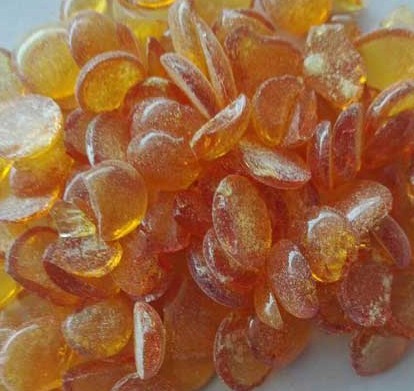
Petroleum resin for paint and inkcomprehensively optimizes product performance through the following mechanisms:
1. Physical performance enhancement
Hardness improvement: Adding 15% C9 resin to epoxy resin coating can increase the pencil hardness of the paint film from 2H to 4H.
Flexibility improvement: The plasticizing effect of C5 resin increases the bending resistance of the paint film by 50%, making it suitable for curved surface coating.
Enhanced wear resistance: The cross-linking structure of DCPD resin increases the wear resistance of the paint film by three times, extending the service life of the floor paint.
2. Improved chemical stability
Acid and alkali resistance: C9 resin maintains stable performance within the pH range of 2-12 and is suitable for coating the inner walls of chemical equipment.
Water resistance: The hydrophobic structure of hydrogenated resin reduces the water absorption rate of the paint film to below 0.5%, making it suitable for ship anti rust paint.
Solvent resistance: Cross linked DCPD resin can resist the erosion of organic solvents such as acetone and ethanol, and is suitable for electronic packaging coatings.
3. Process efficiency optimization
Accelerated drying speed: The volatile solvent properties of C5 resin shorten the drying time of paint to less than 30 minutes.
Leveling improvement: Low viscosity resin reduces brushing marks and improves the surface smoothness of the paint film.
Enhanced storage stability: The antioxidant properties of hydrogenated resin extend the shelf life of paint to over 2 years.
4.Development trend: Integration of greening and functionalization
Faced with increasingly strict environmental regulations and diversified market demand, petroleum resin for paint and inks are evolving in two directions:
1. Green transformation
Biobased resin development: replacing petroleum fractions with vegetable oil cracking products to reduce carbon footprint.
Low VOC formula: Reduce volatile organic compound emissions through processes such as hydrogenation and esterification.
Degradable materials: Develop photo degradable or biodegradable resins to solve the problem of waste coating pollution.
2. Functional upgrade
Intelligent response resin: Introducing temperature sensitive and photosensitive groups to achieve changes in paint film color or hardness with the environment.
Nanocomposite resin: Composite with nano silica and carbon nanotubes to enhance conductivity or antibacterial properties.
3D printing specific resin: Developing high-precision and fast curing resins to meet personalized customization needs.
The multifunctionality of petroleum resin for paint and ink provides strong support for the performance improvement and cost reduction of paint and ink. Both paint manufacturers and ink manufacturers should fully recognize the value of petroleum resin and actively apply it to product production. Let's work together and utilize the multifunctionality of petroleum resin for paint and ink to create more high-quality and high-performance paint and ink products, contributing to the beautification of our living environment and the promotion of industrial development.

 Language


 Address:Linzi District,Zibo City,Shandong Province
 E-mail:wanbang@wanbangresin.com
 WhatsApp:+8615053337101