
 Language


More Language
Language
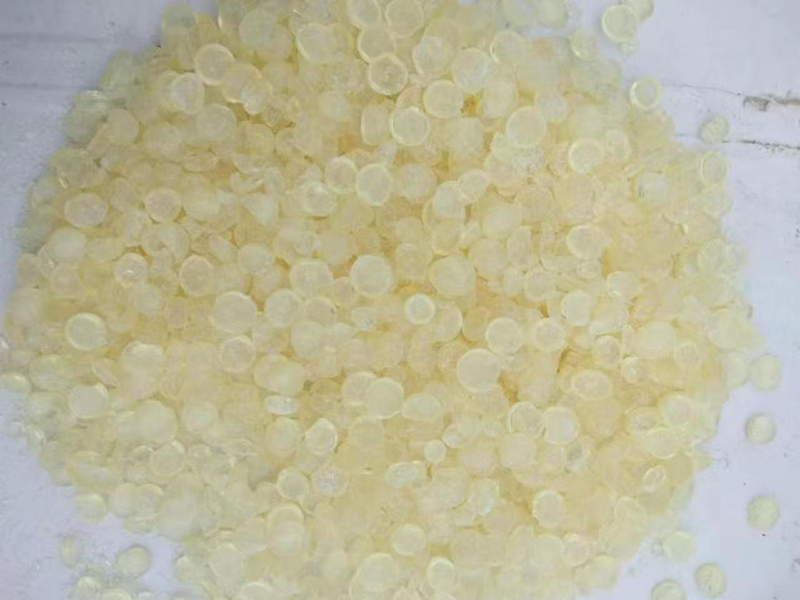

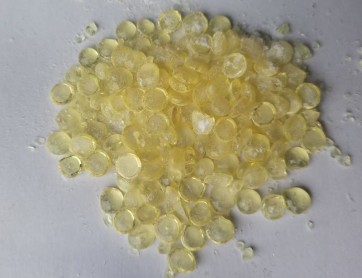


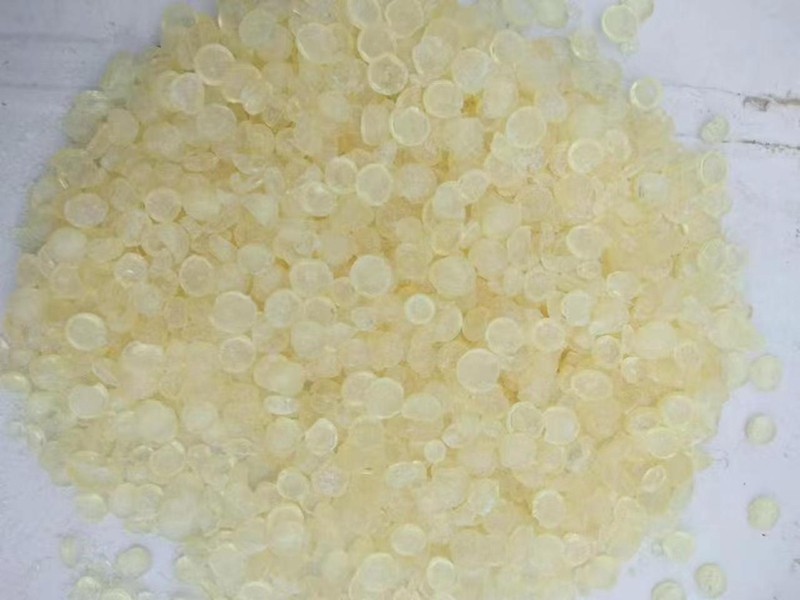
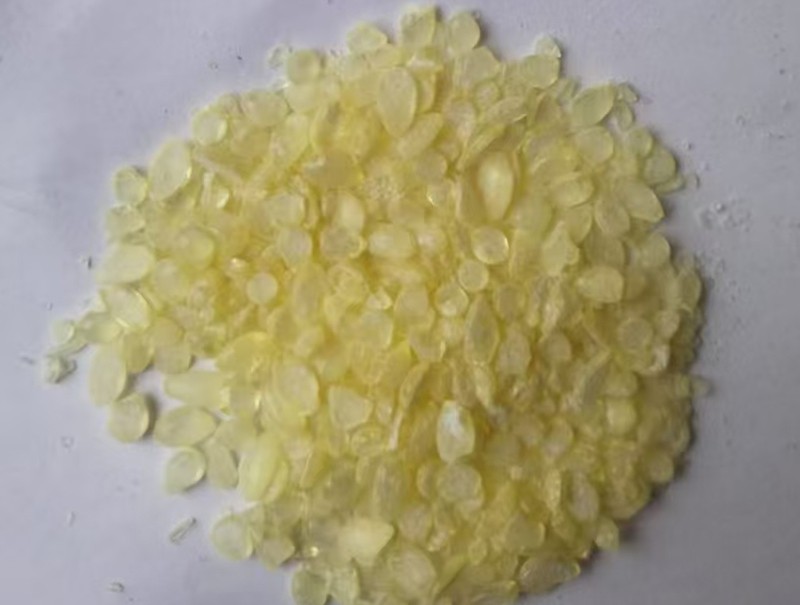
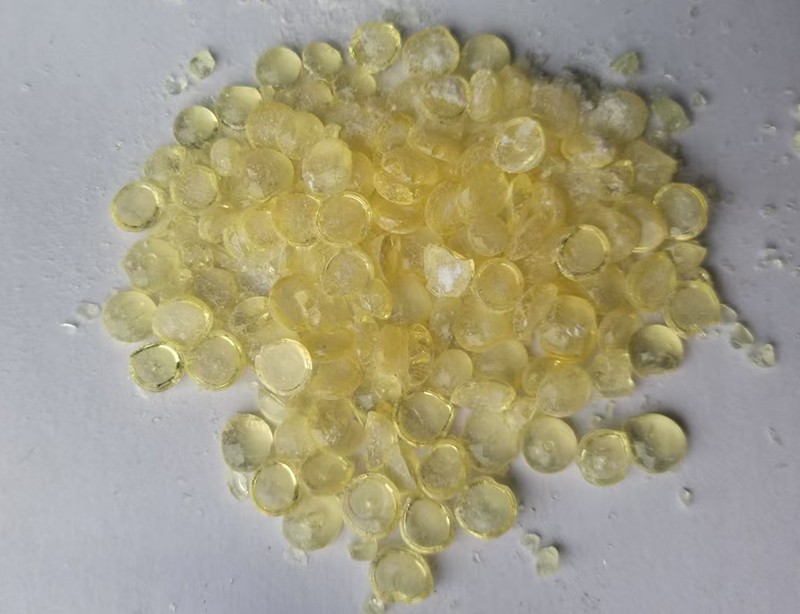
Comprehensive analysis of No. 5 and No. 6 carbon nine copolymer petroleum resins
I. Basic characteristics and process parameters
Composition and structure
C9 fraction is used as the main raw material, and it is obtained by copolymerization and modification with C5 fraction. It has both the flexibility of C5 resin and the high adhesion of C9 resin, and the molecular weight distribution range is 2000-500057.
Softening point: Adjusted according to application requirements, the typical range covers 90-130℃, and the corresponding softening points of No. 5 and No. 6 resins are 90-105℃ (low softening point) and 105-120℃ (medium softening point)47 respectively.
Chroma: The product color number covers 5# to 11# (light yellow to light brown), which is suitable for industrial scenes with moderate color requirements.
Physical and chemical properties
Excellent acid and alkali resistance (pH tolerance range 3-12), ash content ≤0.1%, bromine value ≤0.5%, thermal stability can reach 180℃ (short-term tolerance).
Good solubility, compatible with solvents such as toluene, xylene, gasoline, and outstanding compatibility with polymer materials such as EVA and SBS.
2. Core application scenarios
Rubber and tire industry
As a radial tire carcass adhesive tackifier, it improves the bonding strength between rubber and steel cord and reduces the risk of rubber delamination.
In styrene-butadiene rubber (SBR) products, adding 3-5% can significantly improve the self-adhesiveness and tear resistance of the rubber.
Adhesives and sealing materials
.
Used in SBS hot melt adhesive and pressure-sensitive adhesive systems to balance initial adhesion and lasting adhesion, and replace rosin resin to reduce the risk of yellowing.
In the backing adhesive formula of cold chain insulation board, it is compounded with hydrogenated DCPD resin (ratio 1:0.1-0.5) to achieve a melt viscosity of 13000 mPa·s (180℃) and high peel strength (65N/in).
Paint and road asphalt modification
Added to road asphalt to improve temperature resistance and anti-rutting performance, compounded with SBS modified asphalt to extend the service life of the road surface.
As a brightener in inks and coatings, it enhances the adhesion and weather resistance of the paint film and is suitable for outdoor high-gloss coatings.
III. Performance comparison and alternative solutions
Compared with traditional C9 resin: The copolymer resin has lower polarity, better compatibility with rubbers such as SBR and NR, and its thermal stability is improved by about 20%.
Alternative options: When higher weather resistance is required, hydrogenated C5 resin (such as ExxonMobil products) can be compounded, and coumarone resin (addition amount ≤30%) can be mixed if a low-cost solution is required.
No. 5 and No. 6 carbon nine copolymer petroleum resins continue to replace traditional single-component resins in the fields of rubber, adhesives and road engineering due to their adjustable performance and wide compatibility.
四、Storage Method of C5c9 copolymer petroleum resin
1. Basic Storage Operation Specifications
Warehouse environment: Store only in a closed and ventilated indoor warehouse; outdoor storage and sun exposure by windows are prohibited. The warehouse temperature shall be controlled below 30℃, keep away from heat sources such as boilers, steam pipelines and heating equipment. Install shading facilities on windows to block ultraviolet rays from sunlight.
Humidity control: Maintain the relative humidity of the warehouse at 40%–70%. Turn on dehumidifiers and reduce window ventilation in rainy seasons to avoid moisture absorption of the resin.
Separate storage: Set up an exclusive storage area. Do not store together with strong acids, strong alkalis, hydrogen peroxide, potassium permanganate and other oxidants and organic solvents to prevent chemical reactions and cross-contamination.
Package management: The product is normally packed in paper-plastic composite bags lined with PE moisture-proof film or bulk ton bags. Tighten and seal the bag mouth for unused resin; replace with new sealed bags immediately if packages are damaged to prevent dust ingress, moisture absorption and oxidation.
Loading, unloading and stacking: Handle gently throughout the whole process; sharp tools are forbidden to pierce the packages. Place all goods on plastic pallets instead of directly on the ground. Reserve complete fire passages in the warehouse without blocking entrances and exits.
Inventory management: Follow the first-in, first-out principle. The shelf life is 12 months under original sealed normal temperature storage. Test the softening point, Gardner color and acid value of expired materials; they can only be put into production after passing inspection.
Safety management: Smoking and hot cutting are strictly prohibited in the warehouse. Equip dry powder fire extinguishers, fire sand and other fire-fighting equipment, and adopt explosion-proof electrical equipment.
2. Key Warehouse Control Parameter Table
|
Control Item |
Storage Standard |
Storage Purpose |
|
Warehouse ambient temperature |
Normally ≤30℃, short-term maximum ≤33℃ |
High temperature softens resin particles, causing agglomeration and feeding failure during processing |
|
Warehouse relative humidity |
40%~70% |
Excessive humidity leads to water absorption of resin, higher acid value, and reduced initial adhesion and aging resistance of adhesives |
|
Distance from ground and wall |
≥10cm above ground, ≥30cm away from walls |
Isolate moisture from ground and walls to prevent damp damage to bottom packages |
|
Maximum stacking layers |
Max. 7 layers for 25kg bags; max. 2 layers for ton bags |
Avoid permanent compaction and hard agglomeration of bottom resin under long-term pressure |
|
Light condition |
Fully shaded, no direct sunlight |
Ultraviolet rays accelerate oxidation of double bonds in resin, resulting in yellowing and deepened color |
 Address:Linzi District,Zibo City,Shandong Province
 E-mail:wanbang@wanbangresin.com
 WhatsApp:+8615053337101
China C5 hydrogenated petroleum resin supplier : Shangdong Wanbang New Materials Co., Ltd.
C5 hydrocarbon resin manufacturer has a wide range of applications, high quality, low price, and multiple uses.Welcome to consult.