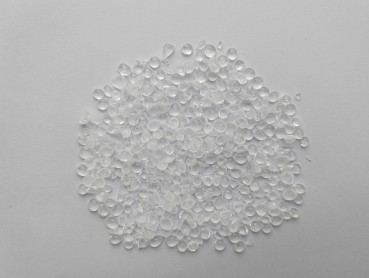
Among the natural substances secreted by plants,resin,with its unique composition and wide application value,has become a bridge connecting nature and industry.As a composite of resin and gum,glue resin not only carries the biological function of plant self-protection,but also plays an irreplaceable role in fields such as medicine,materials,and technology.This article will systematically analyze the scientific connotation and industrial potential of adhesive resins from five dimensions:definition,composition,formation mechanism,application value,and future development direction.
1.Definition and Classification of Resin:From Plant Secretions to Composite Functional Organisms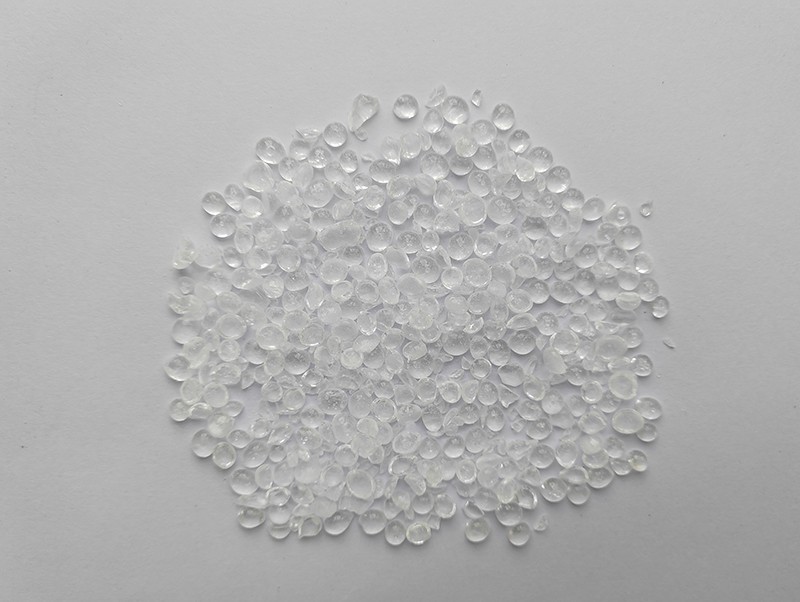
Glue resin is a mixture produced by plants through special secretory tissues such as resin ducts and milk ducts,characterized by the simultaneous presence of resin and gum components.According to the mixing ratio and differences in auxiliary components between resin and gum,resin can be divided into the following three categories:
1.Pure glue resin:The ratio of resin to gum is close to 1:1,forming a homogeneous mixture,such as Tenghuang-a typical glue resin extracted from plants in the Tenghuang family.Its yellow to orange solid color is easily oxidized and darkened in the air,making it an important raw material for traditional painting pigments and Chinese medicine.
2.Oil glue resin:In addition to glue resin and gum,it also contains volatile oil components,such as ferula,whose secretions contain volatile oil accounting for 20%-30%,giving the glue resin a unique pungent odor.It is commonly used in fragrances and insect repellents.
3.Aroma resin:A resin formed by the combination of resin and aromatic acid compounds,such as benzoin,which contains components such as benzoic acid and cinnamic acid.It has antibacterial and antioxidant properties and is a star raw material in the fields of medicine and cosmetics.
2.Composition Analysis of Resin:Synergistic Effect between Resin and Gum
The performance of resin is determined by the chemical properties of its core components-resin and gum,which form a composite structure through physical mixing or chemical bonding.
2.1 Resin:The"rigid skeleton"of adhesive resin
Resin is a high molecular weight insoluble polymer,mainly composed of terpenes,phenols,or ester compounds.Its characteristics include:
-Chemical resistance:insoluble in water,but soluble in organic solvents such as ethanol and ether,forming a viscous solution.
-Thermoplastic:Softens upon heating,solidifies upon cooling,and can be molded through processes such as molding and injection molding.
-Protective function:In plants,resin blocks wounds,inhibits microbial growth,and prevents pathogen invasion.For example,the glue resin secreted by pine trees after injury can form a physical barrier to prevent fungal and insect invasion.
2.2 Gum:A"flexible filler"for glue resin
Gum is a low molecular weight polysaccharide or protein substance,mainly composed of arabic gum,xanthan gum,etc.Its characteristics include:
-Water solubility:easily soluble in water to form colloidal solutions,with thickening,emulsifying,and stabilizing effects.
-Biocompatibility:Non toxic and can be metabolized by the human body,widely used in the fields of food and medicine.For example,Arabic gum,as a natural emulsifier,is commonly used in the production of beverages and candies.
-Adhesion:The hydroxyl and carboxyl groups in gum molecules can form hydrogen bonds with the surface,enhancing the adhesion of the resin.
2.3 Synergistic Mechanism of Resin and Gum
In resin,resin provides hardness and chemical resistance,while resin enhances flexibility and adhesion.The two complement each other in function through the following ways:
-Physical mixing:Resin particles are dispersed in a gum solution to form a"sea island structure"that balances strength and toughness.
-Chemical bonding:The carboxyl groups in the glue resin react with the hydroxyl groups in the gum to form a cross-linked network,enhancing the stability of the resin.For example,the resin acid in Tenghuang binds with the polysaccharides in the gum through ester bonds,keeping it solid at room temperature and softening and shaping it when heated.
3.The formation mechanism of resin:plant self-defense and metabolic regulation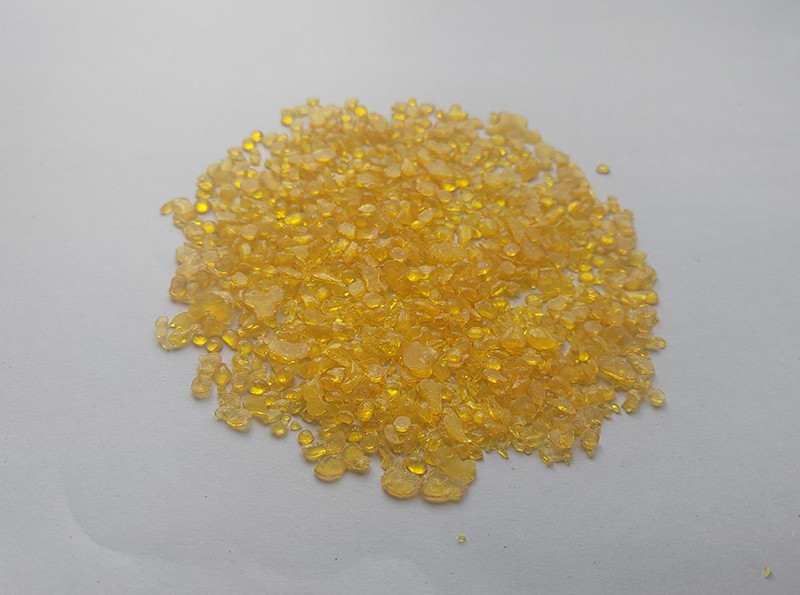
The synthesis of resin is an adaptive response of plants to environmental stress,and its formation process involves complex metabolic regulation and cellular biology mechanisms.
3.1 Normal metabolic pathway:products of cell differentiation
In healthy plants,the synthesis and secretion of resin are the result of specific cell differentiation.For example:
-Resin channel cells:The resin channel of coniferous trees such as pine trees is surrounded by secretory cells to form a tubular structure.Secretory cells synthesize terpene compounds and store them in the resin channel,forming a resin reserve.
-Milk duct cells:Milk duct cells of plants such as rubber trees can synthesize rubber particles(containing isoprene polymers)and gum components,forming a milky secretion.
3.2 Abnormal metabolic pathways:trauma induced defense responses
When plants are subjected to mechanical damage,invasion by pests and diseases,or infection by pathogens,the trauma signaling pathway is activated to induce the synthesis and secretion of resin.The mechanism includes:
-Jasmonic acid signaling pathway:Trauma activates the synthesis of jasmonic acid(JA)in plants,which acts as a signaling molecule to induce the expression of resin synthesis related genes(such as terpene synthase genes)and promote resin secretion.
-Oxidative burst reaction:The site of injury produces reactive oxygen species,triggering programmed cell death(PCD),forming an isolation zone,and preventing the spread of pathogens.Meanwhile,ROS activates resin synthase activity,accelerating glue resin accumulation.
-Cell wall modification:Trauma leads to the degradation of cell wall components(such as cellulose and pectin),releasing monosaccharides and phenolic compounds as precursors to participate in resin synthesis,while cell wall relaxation promotes resin secretion.
4.The application value of adhesive resin:from traditional craftsmanship to modern technology
The unique composition and properties of resin make it widely used in multiple fields,and its value runs through the history of human civilization and modern industrial development.
4.1 In the field of medicine:a treasure trove of natural medicines
The bioactive components in resin,such as terpenes and phenols,have pharmacological effects such as antibacterial,anti-inflammatory,and antioxidant properties,and are an important source for traditional medicine and modern drug development.For example:
-Tenghuang:Traditional Chinese medicine is used to treat abscesses and injuries caused by falls.Its extract,Tenghuang acid,has been proven to have anti-tumor activity and can inhibit cancer cell proliferation by inducing tumor cell apoptosis.
-Benzoin:a traditional Western medicine used to alleviate respiratory diseases,its component benzyl benzoate has insecticidal and antibacterial effects,and is a commonly used medicine for treating scabies and body lice.
4.2 Materials Science:Pioneer of Green Composite Materials
The natural composite structure of glue resin provides inspiration for the design of artificial composite materials,and its modified products have outstanding performance in the field of environmentally friendly materials.For example:
-Bio based adhesive:Using adhesive resin as raw material,its water resistance and bonding strength are improved through chemical modification(such as epoxidation,esterification),which can replace petroleum based adhesives in the wood processing and packaging industry.
-Degradable plastics:By blending glue resin with natural polymers such as starch and cellulose,biodegradable plastics are prepared to solve the problem of traditional plastic pollution.For example,a film made by blending arabic gum with polylactic acid(PLA)can be completely degraded in soil within 6 months.
4.3 Arts and Crafts:Carriers of Traditional Culture
The bright colors and unique texture of resin make it a darling in the field of arts and crafts.For example:
-Painting pigments:Tenghuang,due to its bright yellow color and good covering power,is widely used in Eastern painting systems such as Chinese painting and Japanese painting.Together with mineral pigments such as stone blue and cinnabar,it forms the color system of traditional painting.
-Spices and aromatherapy:The volatile components of glue resins such as ferula and benzoin give them unique fragrance,which are often used in scented candles,perfume and religious ceremony spices to convey cultural and spiritual connotation.
5.The future development direction of adhesive resin:technology empowerment and sustainable development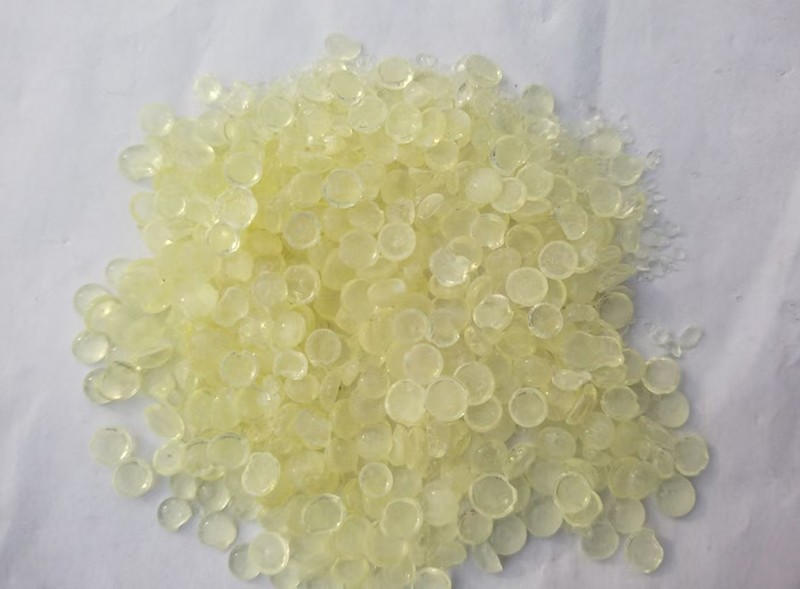
With the advancement of synthetic biology,nanotechnology,and green chemistry,the research and application of adhesive resins are moving towards higher levels,and their development directions include:
5.1 Synthetic Biology Modification:Directed Synthesis of High Value Compounds
By using gene editing technology to modify plant metabolic pathways,targeted synthesis and accumulation of specific components(such as anticancer active substances)in glue resin can be achieved.For example,expressing the gene for the synthesis of ferulic acid synthase in tobacco and using tobacco leaves to produce ferulic acid on a large scale can reduce dependence on wild ferulic acid plants.
5.2 Nanotechnology Enhancement:Development of Functionalized Composite Materials
Composite resin with nanomaterials such as carbon nanotubes and graphene to prepare intelligent materials with conductive,thermally conductive,or self-healing functions.For example,the rattan graphene composite material combines antibacterial and conductive properties,and can be used in wearable medical devices and flexible electronic devices.
5.3 Application of Green Chemistry:Environmental Protection Processes and Circular Economy
Develop green extraction and purification technologies for resin,such as supercritical CO₂extraction and enzymatic hydrolysis,to reduce the use of organic solvents and energy consumption.At the same time,establish a closed-loop system of resin production application recycling to promote resource recycling.For example,recycling waste glue resin based packaging materials and regenerating them into raw materials through pyrolysis or chemical degradation to achieve sustainable development from nature to nature.
In short,as a mixture of resin and gum,resin has unique components and diverse characteristics.It plays an irreplaceable role in medicine,industry,and other fields,and is a highly valuable natural substance.We should fully recognize the value of adhesive resin,further explore its potential applications,and make greater contributions to human development.

 Language


 Address:Linzi District,Zibo City,Shandong Province
 E-mail:wanbang@wanbangresin.com
 WhatsApp:+8615053337101