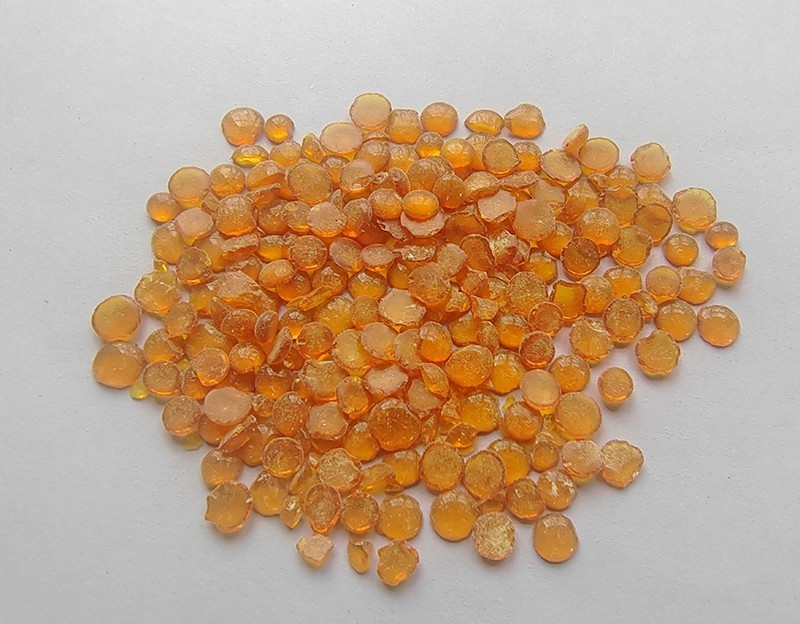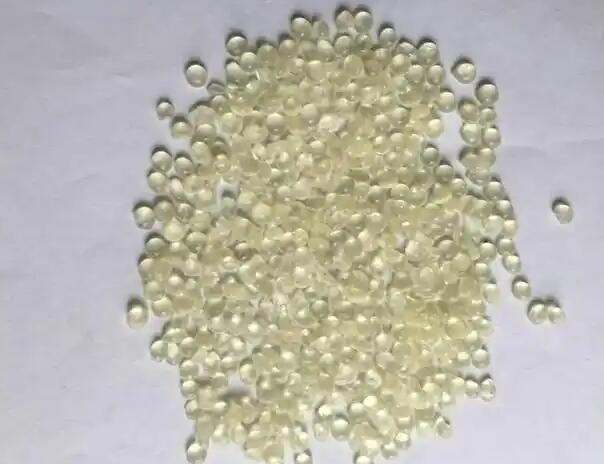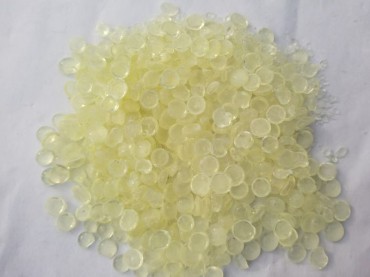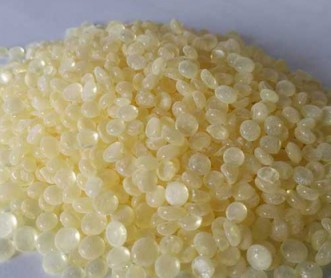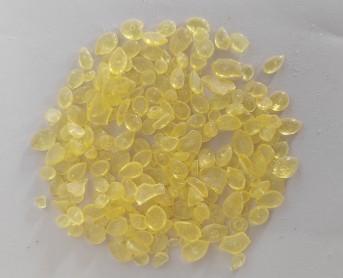
Rubber viscosity-enhancing and hardening resin

In the field of rubber industry, rubber viscosity-enhancing and hardening resin plays a crucial role as a key additive in improving the performance and quality of rubber products. However, the storage conditions for this high-performance resin are very strict, and a slight mistake may lead to a decrease in its performance or even failure. Recently, with the continuous expansion of the rubber products market and the increasing demand for product quality, the storage conditions of rubber viscosity-enhancing and hardening resins have once again become the focus of industry attention. Now let's take a detailed look at the storage conditions of rubber viscosity-enhancing and hardening resin.


1. Storage environment

1. Temperature: Rubber viscosity-enhancing and hardening resins should generally be stored in a cool and dry environment, with a suitable temperature range typically between 5-30 ℃. Excessive temperature can cause thermal decomposition, softening, and even deterioration of the resin, affecting its thickening and hardening properties; However, excessively low temperatures may cause the resin to become brittle, making it difficult to achieve ideal processing results in subsequent use. For example, during high temperature weather in summer, if resin is stored in a warehouse without cooling equipment such as air conditioning, the temperature may exceed 30 ℃, leading to a decrease in resin performance.
2. Humidity: Humidity also has a significant impact on the storage of rubber viscosity-enhancing and hardening resins. Resin should be stored in an environment with a relative humidity of no more than 70%. High humidity environments can cause the resin to absorb moisture from the air, leading to hydrolysis reactions and changes in viscosity and hardness. It may also cause problems such as resin clumping and mold growth, seriously affecting its performance.

3. Ventilation: Storage areas should have good ventilation conditions, which help maintain fresh air in the storage environment, reduce safety hazards caused by the accumulation of resin volatiles or possible odors, and also facilitate temperature and humidity control.


2. Packaging sealing

1 Sealed packaging: Sealed packaging is usually used, such as plastic drums, iron drums, etc., to prevent the rubber viscosity-enhancing and hardening resin from coming into contact with air, moisture, etc. The packaging should be intact, without any damage, leakage, or other issues. Once the packaging is damaged, air and moisture will enter the interior of the packaging, causing adverse effects on the resin.

2 Secondary sealing: After opening the packaging and using some resin, the remaining resin should be sealed again in a timely manner. Sealing tape, plastic film, etc. can be used to seal the packaging opening, reducing the contact between the resin and the external environment and extending the storage period of the resin.


3. Storage period and inspection

1. Storage period: Generally, there is a certain storage period, which may vary depending on the type of rubber viscosity-enhancing and hardening resin, production process, and other factors, usually between 6-24 months. During storage, the storage period indicated in the product manual should be strictly followed for management. Resins that exceed the storage period may experience changes in performance and are not recommended for continued use.

2 Regular inspection: During storage, the resin should be inspected regularly. The inspection includes checking whether there are any changes in the appearance of the resin, such as clumping, discoloration, mold, etc; Whether the packaging is intact, whether there are leaks, etc. Generally speaking, it is recommended to conduct a comprehensive inspection every 1-3 months. For resins that have been stored for a long time, the inspection frequency should be appropriately increased.


4. Operation precautions

1 Avoid pollution: During storage and handling, avoid contact between the resin and impurities, oil stains, etc., as these pollutants may affect the performance of the rubber viscosity-enhancing and hardening resin. For example, when handling resin, clean tools and equipment should be used to prevent dust, oil stains, etc. from entering the resin packaging.
2 Fire safety: Hardened resins are mostly flammable materials, and storage areas should be kept away from sources of fire and heat, and equipped with corresponding fire-fighting equipment such as fire extinguishers and fire sand. At the same time, smoking and open flame operations should be prohibited in storage areas to ensure storage safety.
The storage conditions of rubber viscosity-enhancing and hardening resin are crucial for maintaining its performance and quality. By strictly controlling environmental factors such as temperature, humidity, and light, and taking effective packaging and protective measures, the stability and effectiveness of the resin can be ensured during storage. In the future, with the continuous development of the rubber industry and the higher pursuit of product quality, the storage conditions of rubber viscosity-enhancing and hardening resins will also be given more attention and optimization, providing strong guarantees for the high-quality production of rubber products.
Contact
 Address:Linzi District,Zibo City,Shandong Province
 E-mail:wanbang@wanbangresin.com
 WhatsApp:+8615053337101