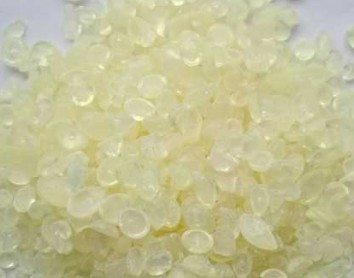
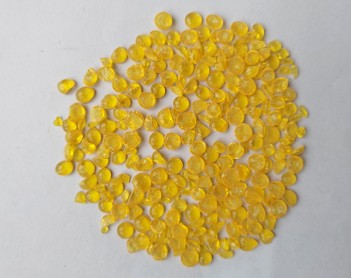
In the rich treasure trove of chemical materials, aliphatic hydrocarbon resin is like a brilliant pearl, playing an indispensable role in many industrial fields with its unique chemical structure and physical properties. As an important type of thermoplastic resin, it has good solubility, compatibility, and chemical stability. The following will provide a detailed introduction to its applications in different fields.
1. Core assistance in the field of adhesives
1. Enhance the performance of hot melt adhesive
Aliphatic hydrocarbon resin is a key component in the preparation of hot melt adhesive. It can achieve good compatibility with various matrix resins, such as ethylene vinyl acetate copolymer (EVA), polyamide, etc. By precisely adjusting the proportion of aliphatic hydrocarbon resin added to hot melt adhesive, the various properties of the hot melt adhesive can be effectively controlled. For example, increasing its content can improve the viscosity of hot melt adhesive, making it easier to operate in specific application scenarios; At the same time, it can optimize the softening point of hot melt adhesive to ensure good bonding effect under different temperature environments. Moreover, the addition of aliphatic resin can significantly enhance the bonding strength of hot melt adhesive, making the bonding between the bonded objects more firm, and widely used in various industries such as packaging and woodworking.
2. Optimize the characteristics of pressure-sensitive adhesive
In the field of pressure-sensitive adhesives, aliphatic resins also play an important role. It can cleverly improve the viscosity and cohesion balance of pressure-sensitive adhesives. On the one hand, it endows pressure-sensitive adhesive with good initial adhesion, allowing it to quickly and firmly adhere to the surface of the object under slight pressure, meeting the requirements of rapid adhesion; On the other hand, ensuring that the pressure-sensitive adhesive has sufficient cohesive strength to prevent the occurrence of adhesive residue or detachment during use. In the electronics industry, pressure-sensitive tapes used to fix electronic components require extremely high adhesive performance. The participation of aliphatic resins can ensure the high precision and reliability of the tapes, ensuring the stable operation of electronic products.
2. The key to performance improvement in the paint industry
1. Improve the quality of solvent based coatings
Aliphatic hydrocarbon resin is an important component of film-forming substances in solvent based coatings. It can significantly improve the adhesion of coatings, allowing them to tightly adhere to various substrate surfaces and form a strong protective film. At the same time, enhancing the flexibility of the coating ensures that the coating does not crack when the object being coated undergoes slight deformation, thereby ensuring the durability of anti-corrosion, decorative and other effects. For example, in metal anti-corrosion coatings, the coating formed by aliphatic hydrocarbon resin can effectively block the invasion of moisture, oxygen, and other corrosive media, greatly extending the service life of metals and widely used in metal protection in fields such as automobiles, ships, bridges, etc.
2. Assist in the development of water-based coatings
With the increasing demand for environmental protection, water-based coatings have become the development trend of the coating industry. Aliphatic hydrocarbon resins have shown great potential in the field of water-based coatings after modification treatment. It can be used as a dispersant for water-based coatings, allowing pigments and fillers to be evenly dispersed in the water-based system, improving the stability and storage of the coating. In addition, it can also be used as a thickener to precisely control the viscosity of water-based coatings by adjusting the amount of aliphatic resin, making them have good construction performance. Whether brushing or spraying, it can make the coating surface smoother and meet the decoration needs of different scenes.
3. An important additive in the rubber industry
1. Improve the adhesive strength of rubber
In the rubber industry, aliphatic resins are often used as thickening agents. It can enhance the adhesive force between rubber and skeleton materials such as steel wire, fiber, etc. Taking tire manufacturing as an example, adding an appropriate amount of aliphatic resin can better bond the rubber layer and steel cord in the tire, improving the structural strength and durability of the tire. During vehicle operation, tires are subjected to various complex forces and vibrations. Good adhesion can ensure that all parts of the tire are tightly connected, reducing the probability of malfunctions and ensuring driving safety.
2. Improve rubber processing performance
Aliphatic hydrocarbon resin can also regulate the processing properties of rubber. In the process of rubber mixing, it can reduce the viscosity of rubber, making it easier for various additives to be evenly dispersed in rubber, and improving mixing efficiency and quality. Meanwhile, by adjusting the dosage of aliphatic resin, the hardness and elasticity of rubber can be precisely controlled to meet the performance requirements of different rubber products. For example, when manufacturing rubber soles, the appropriate amount of aliphatic resin can produce soles with moderate hardness and good elasticity, improving the comfort of wearing.
4. High quality raw materials for ink manufacturing
1. Optimize solvent based ink
In solvent based inks, aliphatic resin plays an important role as one of the main components of the binder. It has good solubility and can dissolve pigments, providing suitable viscosity for ink. During the printing process, aliphatic resin can quickly dry the ink and improve printing efficiency. At the same time, it can enhance the adhesion and wear resistance of ink, making printed materials have good durability and widely used in printing fields such as books, magazines, and packaging.
2. Promote the progress of water-based ink
In the field of water-based inks, modified aliphatic resins can be used as film-forming substances for water-based inks. Compared with traditional solvent based inks, water-based inks have the advantages of environmental protection and pollution-free, which meets the requirements of modern printing industry for green and environmental protection. The application of aliphatic resins enables water-based inks to maintain environmental performance while achieving printing effects similar to solvent based inks, such as good glossiness and vivid colors, providing strong support for the widespread application of water-based inks.
Aliphatic hydrocarbon resins play an important role in various industries such as adhesives, coatings, rubber, and inks due to their unique properties and wide applications. With the continuous advancement of technology and the sustained development of the chemical industry, the application prospects of aliphatic resins will become even broader, and are expected to bring more innovation and breakthroughs to various industries.

 Language


 Address:Linzi District,Zibo City,Shandong Province
 E-mail:wanbang@wanbangresin.com
 WhatsApp:+8615053337101