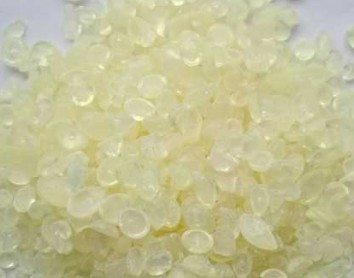
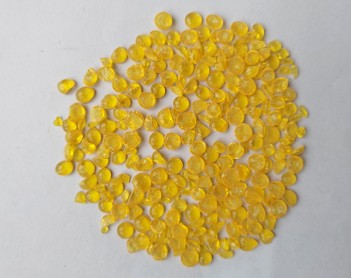
In the field of chemical materials, c5 c9 hydrocarbon resins have attracted much attention due to their unique physical and chemical properties. Among them, solubility, as one of the important indicators for measuring resin performance, directly affects the application effect of resin in multiple industries such as coatings, inks, adhesives, etc. Recently, new progress has been made in the study of c5 c9 hydrocarbon resin solubility, providing more scientific reference for related industries.
1. Solubility of C5 hydrocarbon resin
C5 hydrocarbon resins are mainly polymerized from unsaturated hydrocarbons in C5 fractions, and their solubility characteristics are usually manifested as good solubility in non-polar or weakly polar solvents. Specifically:
1. Solubility: C5 petroleum resin has good solubility in non-polar or weakly polar solvents such as aromatic hydrocarbons (such as toluene, xylene) and fatty hydrocarbons (such as n-hexane, cyclohexane). Meanwhile, it can also dissolve in certain ester and ketone solvents, but its solubility may be relatively low.
2. Influencing factors: Solubility is affected by factors such as the molecular weight and structure of the resin, as well as the polarity and temperature of the solvent. Generally speaking, C5 resin with lower molecular weight and simpler structure has better solubility; The lower the polarity of the solvent, the higher its solubility; An increase in temperature usually also increases solubility.
2. Solubility of C9 hydrocarbon resin
C9 hydrocarbon resins are mainly polymerized from unsaturated hydrocarbons in C9 fractions, and their solubility characteristics are different from C5 resins, but they usually exhibit good solubility in non-polar or weakly polar solvents. Specifically:
1. Solubility: C9 petroleum resin also has good solubility in solvents such as aromatic hydrocarbons and fatty hydrocarbons. However, due to its potentially more complex molecular structure, containing more aromatic rings and conjugated double bonds, its solubility characteristics may be more diverse, depending on the chemical structure and molecular weight of the resin.
2. Influencing factors: Similar to C5 resin, the solubility of C9 resin is also affected by factors such as molecular weight, molecular structure, solvent polarity, and temperature. In addition, impurities or additives that may be present in C9 resin may also affect its solubility.
3. Comprehensive analysis
1. Solvent selection: In practical applications, it is necessary to choose the appropriate solvent based on the specific characteristics and usage requirements of the c5 c9 hydrocarbon resin. For situations that require high solubility, non-polar or weakly polar solvents such as aromatic hydrocarbons or aliphatic hydrocarbons can be chosen; For situations that require lower solubility, solvents with higher polarity can be chosen or solubility can be controlled by adjusting the solvent ratio.
2. Temperature control: Temperature is also one of the important factors affecting solubility. In practical operation, the temperature of the solvent can be adjusted by heating or cooling to control the solubility of the resin.
3. Resin characteristics: c5 c9 hydrocarbon resins produced by different manufacturers may have different chemical structures and molecular weight distributions, so their solubility characteristics may also vary. When choosing a resin, it is necessary to understand its specific solubility characteristics and make a selection based on actual needs.
With the continuous deepening of research on c5 c9 hydrocarbon resin solubility, we are expected to witness the unique value and application potential of these resins in more fields. In the future, with the continuous advancement and innovation of technology, the solubility characteristics of resins will be further optimized and improved, bringing broader development prospects to the chemical industry. Let's look forward to new breakthroughs in c5 c9 hydrocarbon resin solubility research and their exciting performances in various industries together!

 Language


 Address:Linzi District,Zibo City,Shandong Province
 E-mail:wanbang@wanbangresin.com
 WhatsApp:+8615053337101