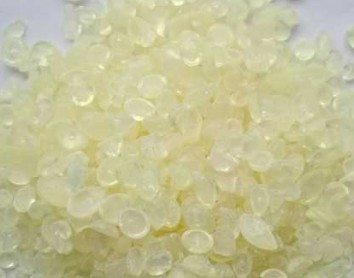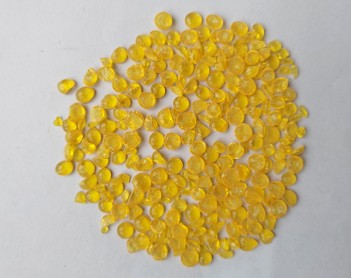
How to make hydrocarbon resin?

In the field of chemical materials, hydrocarbon resin, as an important thermoplastic resin, is widely used in various industries such as adhesives, coatings, inks, etc. due to its excellent adhesion, water resistance, and good mechanical properties. Today, we will delve into the production process of hydrocarbon resins, from raw material selection to finished product output, uncovering the mysterious veil of this chemical material production and understanding the scientific principles and technical details behind it.


1. Raw material preparation

(1) C5 fraction and C9 fraction: As the main raw materials, the isoprene content in C5 fraction is ≥ 25%, the isoprene content is ≥ 15%, the cyclopentadiene content is ≥ 10%, and the total olefin content is ≥ 60%; The styrene derivatives in C9 fraction are ≥ 30%, indene and its derivatives are ≥ 20%, and the total aromatic content is ≥ 70%.
(2) Solvent: Select toluene or cyclohexane, purity ≥ 99%, moisture ≤ 0.05%, aromatic solvent benzene content ≤ 0.1%.

(3) Catalyst: anhydrous aluminum trichloride, purity ≥ 98%, particle size passing through a 100 mesh sieve ratio ≥ 95%, sealed and moisture-proof during storage.
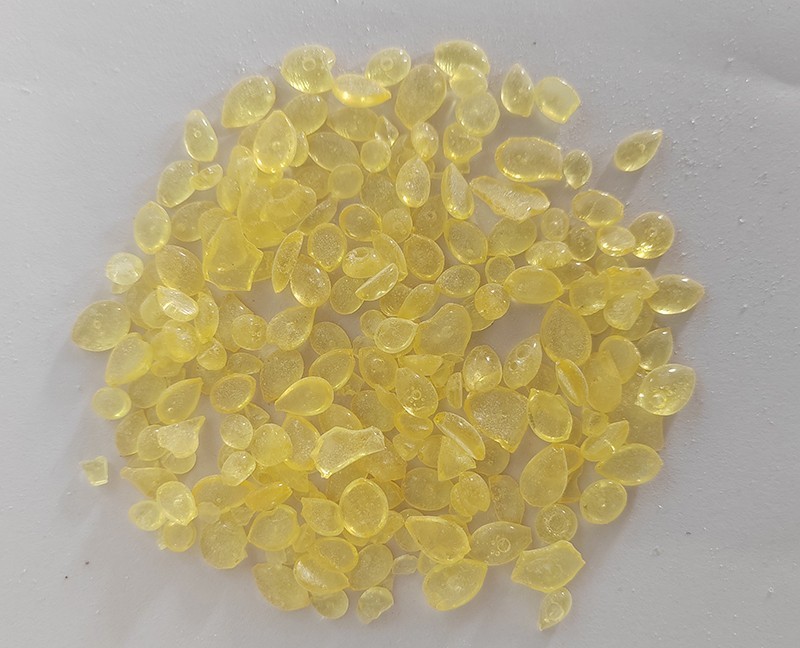
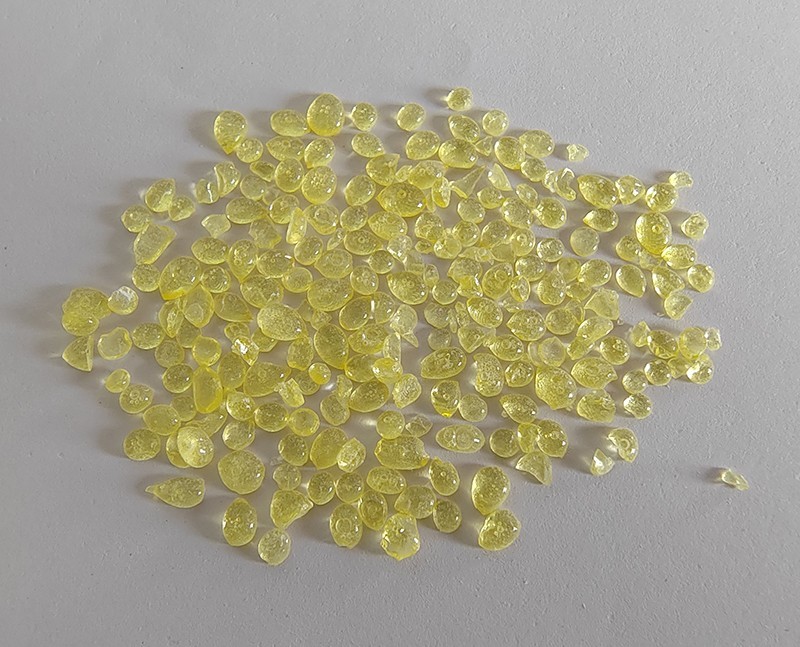
Hydrocarbon Resin                                                                                Hydrocarbon Resin


2. Raw material pretreatment

(1) Distillation cutting: C5 and C9 fractions are separately subjected to distillation cutting, with C5 fraction collected at 60-80 ℃ and C9 fraction collected at 150-200 ℃. The distillation vacuum degree is 0.08-0.09MPa to ensure effective separation of light and heavy components.
(2) Nitrogen protection: The pre treated raw materials are protected by nitrogen gas with a purity of ≥ 99.9% and a flow rate of 0.5-1m ³/h to prevent oxidation of the raw materials.

(3) Storage conditions: The pre treated C5 fraction is stored at a temperature of 20-30 ℃, and the C9 fraction is stored at a temperature of 30-40 ℃, with a storage time not exceeding 7 days.


3. Polymerization reaction

(1) Mixing ratio: Mix C5 and C9 fractions in proportion, adjust the mixing ratio according to the type of hydrocarbon resin, with a universal ratio of 7:3 or 6:4, and add them to the reaction kettle. The amount of solvent added should be 50%~80% of the mass of the mixed fraction.

(2) Reaction conditions: Cool the material to 0-10 ℃ while stirring, slowly add the catalyst, with a catalyst dosage of 2% -5% of the total mass of the raw material, and add for 30-60 minutes to prevent local overheating. The reaction temperature is controlled at 5-20 ℃, and the reaction time is 3-6 hours. The reaction progress is monitored by sampling and measuring the solid content. The reaction is terminated when the solid content reaches 50%~60%.
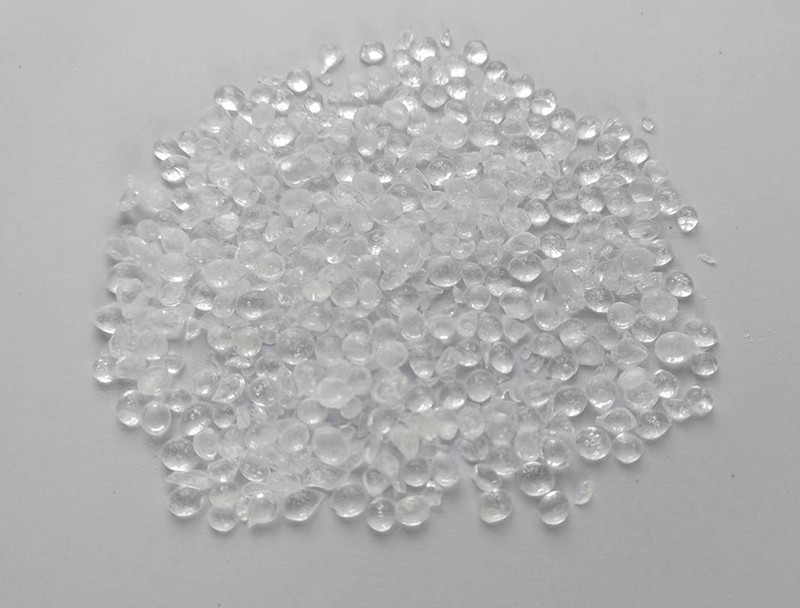

Hydrocarbon Resin


4. Catalyst removal

(1) Neutralization reaction: After the reaction is complete, add deionized water or dilute hydrochloric acid (5%) to the kettle to neutralize the catalyst. The amount of water used is 30%~50% of the volume of the reaction solution. Stir for 30~60 minutes to form a hydrate precipitate of aluminum trichloride.

(2) Washing: Let it stand and separate into layers for 30-60 minutes. The lower layer is an aqueous solution of catalyst residue, which is discharged and sent to wastewater treatment. Wash the upper organic phase with deionized water 2-3 times, using 20% to 30% of the organic phase volume each time, until the pH value of the washing water is 6-7 and the conductivity is ≤ 50 μ S/cm.


5. Solvent recovery

(1) Distillation recovery: The neutralized organic phase is sent to a distillation tower, where most of the solvent is first recovered by atmospheric distillation. The top temperature of the tower is the boiling point of the solvent ± 2 ℃, and then vacuum distillation is carried out with a vacuum degree of 0.09~0.095MPa and a bottom temperature of 150~180 ℃ to recover residual solvent. The purity of the recovered solvent should be ≥ 98%, the moisture content should be ≤ 0.1%, and it can be recycled. The number of cycles should not exceed 5 times, and 5% to 10% new solvent should be added for each cycle. The solvent recovery rate is ≥ 95%, and the residual liquid at the bottom of the tower is crude resin with a softening point of 70-120 ℃.


6. Resin refining

(1) Removal of light components: The crude hydrocarbon resin is sent to a flash evaporation tower or thin film evaporator, and the light components are removed at a vacuum degree of 0.095-0.098 MPa and a temperature of 200-250 ℃ for 1-2 hours, so that the resin softening point reaches the target value ± 2 ℃.

(2) Granulation: The refined resin is granulated by a granulator with a particle size of 3-5mm × 3-5mm. The cooling water temperature of the granulator is 20-30 ℃ to ensure rapid cooling and shaping of the particles.
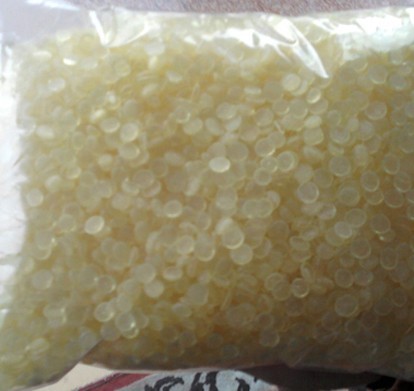
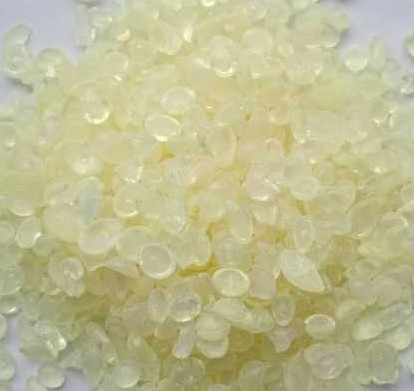
Hydrocarbon Resin                                                                              Hydrocarbon Resin


7. Post processing and packaging

(1) Screening: After granulation, the hydrocarbon resin is screened through a 10 mesh sieve, with a residue of ≤ 1%. The coarse particles are returned to the granulator for reprocessing.

(2) Packaging: The screened resin is packaged in a polyethylene bag on the inner layer and a kraft paper bag on the outer layer, with a net weight of 25kg ± 0.2kg per bag. Before packaging, the resin moisture content is tested to be ≤ 0.5% to prevent clumping during storage. In dry northern regions, the moisture content of hydrocarbon resins can be controlled below 0.3% for better storage stability.


8. Quality inspection

(1) Key indicator testing: Testing the key indicators of the resin, such as the softening point determined by the global method, with a parallel sample deviation of ≤ 1 ℃; Acid value determination is carried out by dissolving in ethanol benzene mixed solvent and titrating with potassium hydroxide standard solution, with an error of ≤ 0.05mgKOH/g; Thermal stability test: Heating at 180 ℃ for 2 hours, softening point change ≤ 3 ℃, color change ≤ 1.

(2) Application performance testing: In adhesive applications, the compatibility between resin and elastomer is tested, and there is no delamination phenomenon after mixing. The peel strength is increased by ≥ 30%.


9. Storage conditions

(1) Environmental requirements: Carbon hydrogen resin should be stored in a ventilated and dry warehouse, with a temperature of ≤ 35 ℃, relative humidity of ≤ 60%, and kept away from sources of fire and oxidants. When stacking, the pallet should be at least 30cm above the ground, and the stacking height should be ≤ 5 layers to prevent the bottom packaging bags from being compressed and damaged. The storage period is 6 months. If it exceeds the storage period, the softening point and color number need to be retested. Only after passing the inspection can it be used. In humid areas, warehouses need to be equipped with dehumidifiers, with relative humidity controlled below 50% to prevent hydrocarbon resins from absorbing moisture and clumping.
Through the revelation of the production process of hydrocarbon resin, it is not difficult to find that its production process involves careful selection of raw materials, strict control of reaction conditions, and meticulous operation of post-treatment. Every step is crucial, jointly determining the quality and performance of the final product. With the continuous advancement of technology and the continuous optimization of processes, the production of hydrocarbon resins will become more efficient and environmentally friendly, injecting new vitality into the development of related industries and promoting the chemical materials industry towards a better future.
Contact
 Address:Linzi District,Zibo City,Shandong Province
 E-mail:wanbang@wanbangresin.com
 WhatsApp:+8615053337101