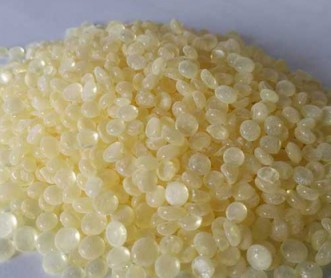
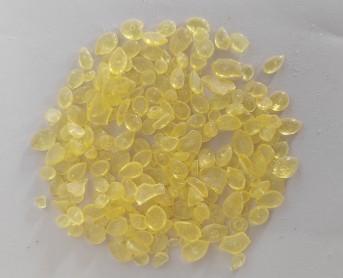
In the field of oil extraction, filling resin is a key material for improving extraction efficiency and ensuring extraction quality, and its performance directly affects the overall efficiency of oil extraction. In recent years, with the continuous advancement of oilfield extraction technology and the increasingly complex extraction environment, the performance requirements for filling resin for oil fields have also become higher and higher. Therefore, how to accurately evaluate the performance of filling resin for oil fields has become an important issue to be solved in the industry.
1. Physical performance evaluation
Apparent density: The density of a resin is related to its molecular weight, structure, composition, and other factors. High density resins have higher hardness, strength, and heat resistance.
Hardness: Hardness is a measure of a resin's ability to resist external objects pressing into its surface. For filling resin for oil fields, higher hardness means better wear resistance and compression resistance.
Impact strength: Impact strength reflects the toughness of resin when subjected to sudden impact. For components in oilfield equipment that may be subject to unexpected impacts, high impact strength filling resin for oil fields are more suitable.
2. Thermal performance evaluation
Softening point: The softening point is the temperature at which a resin begins to soften under specific conditions. For filling resin for oil fields, a higher softening point means better thermal stability and high temperature resistance.
Melting temperature: The melting temperature is the temperature at which a resin changes from a solid state to a liquid state. Understanding the melting temperature of resins can help determine their potential applications in high-temperature environments.
Thermal decomposition temperature: The thermal decomposition temperature is the temperature at which the resin begins to decompose during the heating process. A higher thermal decomposition temperature indicates that the resin has better stability at high temperatures.
3. Chemical stability assessment
Corrosion resistance: There are various corrosive media in the oilfield environment, such as acid, alkali, salt, etc. It is crucial to evaluate the corrosion resistance of the filling resin for oil fields in these media.
Chemical resistance: The resin should be able to resist the corrosion of chemicals commonly used in petroleum extraction processes, such as solvents, additives, etc.
4. Processing performance evaluation
Liquidity: The fluidity of resin determines its flowability during processing. Resins with good fluidity are easier to form uniform products in processes such as injection molding and extrusion molding.
Melt index: Melt index is one of the indicators to measure the melt flowability of resin. It represents the velocity at which resin melt flows through standard pores at a certain temperature and load. The higher the melt index, the better the fluidity.
5. Actual application effect evaluation
Cementing effect: Evaluate the performance of the filling resin for oil fields during the cementing process, including the strength and stability of the wellbore, the sealing effect of the oil and gas reservoir, etc.
Improvement of permeability: Through actual testing, observe the effect of filling resin on the pore structure and permeability of the formation, as well as the degree of improvement in oil recovery.
Anti corrosion protection: Check the service life and performance changes of equipment pipelines after using resin for anti-corrosion protection.
6. Long term stability assessment
Aging test: Place the filling resin for oil fields under simulated oilfield environment conditions for aging testing, and observe the changes in its performance over time.
Weather resistance testing: Evaluating stability under extreme weather conditions such as high temperature, low temperature, humidity, etc.
In summary, evaluating the performance of filling resin for oil fields requires comprehensive consideration of multiple aspects, including physical properties, thermal properties, chemical stability, processability, as well as practical application effects and long-term stability. Through comprehensive evaluation and testing, it can be ensured that the selected filling resin for oil fields can meet the specific needs of oilfield development.

 Language


 Address:Linzi District,Zibo City,Shandong Province
 E-mail:wanbang@wanbangresin.com
 WhatsApp:+8615053337101