 Language


More Language
Language
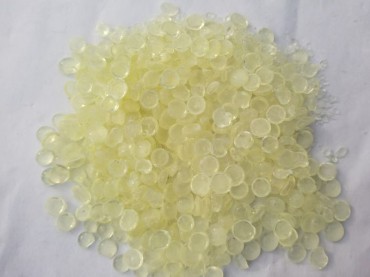
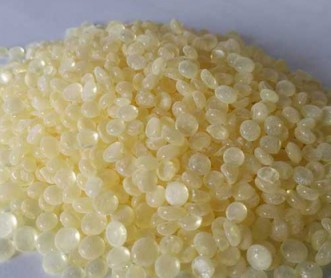
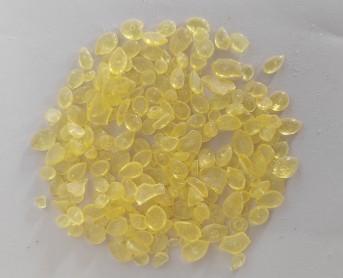
Polyketone resin for printing ink paint exhibits excellent adhesion, mainly due to its unique chemical structure and performance characteristics. The following is a detailed analysis of the adhesion of polyketone resin for printing ink paints:
Polyketone resin, also known as aldehyde ketone resin or ketone aldehyde resin, is a polymer formed by the condensation reaction of ketones and aldehydes. Its molecular structure contains carbonyl and hydroxyl groups, which endow polyketide resin with good polarity and solubility, making it compatible with various ink and coating components, thereby enhancing adhesion.
Improving the flowability of ink coatings: The low viscosity characteristics of polyketide resin help improve the flowability of ink coatings, making them easier to apply to substrates and form uniform and firm coatings.
In the field of coatings, polyketone resin for printing ink paints also performs well. For example, mixing KR-120 aldehyde ketone resin with nitrocellulose, polyamide resin, and other materials can significantly improve the adhesion, glossiness, and hardness of coatings used in wood and automotive paints.
 Address:Linzi District,Zibo City,Shandong Province
 E-mail:wanbang@wanbangresin.com
 WhatsApp:+8615053337101
China C5 hydrogenated petroleum resin supplier : Shangdong Wanbang New Materials Co., Ltd.
C5 hydrocarbon resin manufacturer has a wide range of applications, high quality, low price, and multiple uses.Welcome to consult.