In the field of chemical materials, coumarone resin, as an important synthetic resin, has gradually attracted industry attention in recent years. This resin, with its unique chemical structure and physical properties, has shown extensive potential for applications in various fields such as rubber, coatings, adhesives, etc. Recently, with the increasing demand for high-performance chemical materials in the market, coumarone resin has once again become a hot topic of discussion in the industry. So, what exactly is coumarone resin? What are its unique features and applications? The following is a detailed introduction to coumarone resin:
1. Raw materials and preparation
Raw materials: The raw materials for coumarone resin are mainly derived from benzofuran and indene in the 160-165 ℃ fraction of coal tar.
Preparation: By catalytic copolymerization and other processes, coumarin and indene or their homologs are polymerized or copolymerized to produce coumarone resin.
2. Physical properties
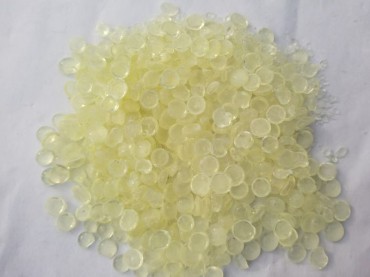
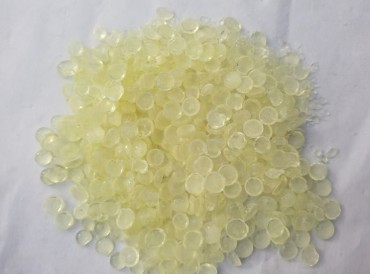
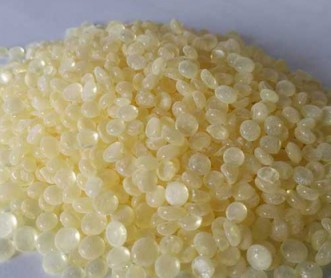
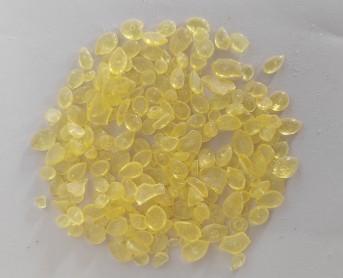
Appearance: The appearance of coumarone resin is like rosin, some are viscous liquids, some are solids, and the color is light yellow to black.
Solubility: soluble in chlorinated hydrocarbons, esters, ketones, ethers, hydrocarbons, most resin oils, nitrobenzene, aniline and other organic solvents, but insoluble in water and lower alcohols.
Other properties: Ketone resin has the characteristics of acid and alkali resistance, excellent water resistance, electrical insulation, aging resistance, and good heat resistance. It also has thermoplasticity and corrosion resistance, but poor light resistance, flammability, and non toxicity.
3. Classification and Usage
Classification: According to different softening points, coumarone resin can be divided into liquid (5-35 ℃), viscous solid (35-75 ℃), and brittle solid (75-135 ℃) types.
Purpose:
Coatings: Ketone resin can be used to prepare insulation coatings and anti rust coatings, replacing natural resins or esterified rosin.
Rubber: As a softener, tackifier, reinforcing agent, and dispersant of rubber, coumarone resin can improve the processing performance of rubber, enhance the mechanical and physical properties and aging resistance of rubber materials. Liquid products are good thickeners with slightly lower enhancement properties; Solid products, especially high softening point products, are good reinforcing agents.
Other: It can also be used as an adhesive for ceramics, a plasticizer for plastics, and for making inks, felt, battery cases, phonograph records, and synthetic leather.
4. History and Development
History: Coumarin resin was first synthesized by American G. Kramer in 1890.
Development: With the advancement of technology and industrial development, the application of coumarone resin in various fields is becoming increasingly widespread, and its preparation process and performance are constantly improving and optimizing.
Through in-depth analysis of coumarone resin, it is not difficult to find that this polymer, which is polymerized or copolymerized with coumarin and indene or its homologues, not only has excellent acid and alkali resistance, water resistance, and good electrical insulation properties, but also plays a key role in multiple fields such as rubber softening, coating thickening, and adhesive preparation. With the continuous advancement of chemical technology and the continuous expansion of market demand, the application prospects of coumarone resin will be even broader. In the future, we have reason to expect that coumarone resin will demonstrate its unique value and charm in more fields, injecting new vitality into the development of the chemical materials industry.

 Language


 Address:Linzi District,Zibo City,Shandong Province
 E-mail:wanbang@wanbangresin.com
 WhatsApp:+8615053337101