 Language


More Language
Language
With the development of industries such as adhesives, rubber, coatings, inks, road marking materials, and packaging, the performance requirements for resin materials in industrial production have steadily increased. Beyond basic adhesive strength and film-forming properties, resins must also exhibit good compatibility, thermal stability, processability, and adaptability to various production techniques. Among the many petrochemical-derived materials, copolymer petroleum resins have emerged as essential functional resins in industrial production, thanks to their excellent formulation adaptability and diverse performance characteristics.
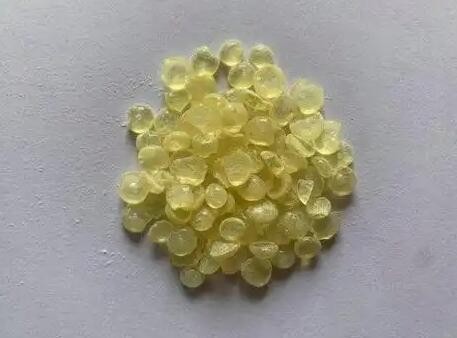
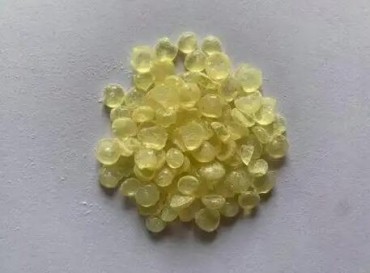
Copolymer petroleum resins are a class of low-molecular-weight synthetic resins produced by the polymerization of specific unsaturated hydrocarbon components derived from the cracking fractions generated during petrochemical production. In petrochemical processes, feedstocks such as naphtha undergo high-temperature cracking, yielding hydrocarbon fractions with varying carbon-number ranges. Among these, C5 and C9 fractions serve as key raw materials for the production of petroleum resins. These fractions contain a variety of unsaturated hydrocarbons that can undergo polymerization in the presence of catalysts or within other suitable reaction systems.
Based on their raw material sources and composition, petroleum resins are generally categorized into C5 petroleum resins, C9 petroleum resins, C5/C9 copolymer petroleum resins, and various modified petroleum resin products.
C5 petroleum resins are primarily derived from unsaturated hydrocarbons found in C5 fractions; they offer strong adhesive properties and a degree of flexibility, making them widely used in hot-melt adhesives, pressure-sensitive adhesives, and rubber processing.
C9 petroleum resins are primarily derived from aromatic unsaturated hydrocarbons found in C9 fractions. They typically feature a higher aromatic content and greater hardness, and are used in applications such as coatings, inks, rubber, and adhesives.
C5/C9 copolymer petroleum resins are produced by co-polymerizing selected C5 and C9 components, allowing the resulting products to combine specific performance characteristics from both types of raw materials. By adjusting raw material ratios, reaction conditions, and post-processing techniques, products tailored to various application requirements can be obtained.
The first step in producing copolymer petroleum resins is selecting suitable petroleum cracking fractions. Common raw materials include C5 fractions, C9 fractions, and specific unsaturated hydrocarbon components obtained through further separation and processing. Since petroleum cracking fractions may contain a variety of compounds with differing properties, the composition of the raw materials directly influences the resin’s color, softening point, molecular structure, and compatibility. Consequently, raw materials must typically be screened and pretreated based on the specific design requirements of the final product. The objectives of this pretreatment include controlling impurity levels, adjusting component ratios, and enhancing the stability of the raw materials. Greater consistency in raw material quality facilitates better control over the subsequent polymerization reaction.
The pretreated raw materials then enter the polymerization stage. Under appropriate reaction conditions, various unsaturated hydrocarbon components undergo polymerization to form resins with specific molecular weights and structural characteristics. Different types of copolymer petroleum resins may utilize distinct catalytic systems and reaction pathways. Manufacturers must carefully control raw material composition, reaction temperature, reaction duration, and other process parameters to meet the performance specifications of the target product. These factors influence the resin’s molecular weight distribution, softening point, color, and compatibility with other materials.
Following polymerization, the reaction mixture may still contain unreacted monomers, solvents, residual catalysts, and other low-molecular-weight substances. Therefore, appropriate separation and post-processing techniques are employed to remove unwanted components, thereby improving the purity and stability of the resin. Common methods include the removal of volatile substances, catalyst treatment, filtration, and other refining processes. The specific approach depends on the production route and the required product quality standards.
Once post-processing is complete, the resin is cooled, granulated, or otherwise shaped into its final solid form. Before leaving the factory, products typically undergo testing for parameters such as softening point, color, melting characteristics, compatibility, and other relevant indicators. For products intended for industries like adhesives and coatings, it is also essential to evaluate their performance within specific formulations—for instance, whether the resin can blend uniformly with the base polymer, whether it affects the product's color, and whether it meets the targeted bonding requirements.
Tackifying performance serves as a fundamental basis for the application of copolymer petroleum resins in the adhesive industry. In hot-melt and pressure-sensitive adhesive formulations, petroleum resins typically function as tackifying components, used alongside base polymers, plasticizers, and other additives. Selecting the appropriate copolymer petroleum resin can help improve an adhesive's initial tack, peel adhesion, and overall bonding performance. The degree of tackification varies between different resins, and actual results are further influenced by the type of base polymer, the formulation ratio, and processing conditions.
Compatibility is a critical metric for evaluating the performance of petroleum resins in practical applications. Because the raw material composition of copolymer petroleum resins can be tailored during product design, compatibility with materials such as EVA, SIS, SBS, natural rubber, synthetic rubber, and other polymers can vary from one product to another. Good compatibility facilitates the formation of a uniform material system, minimizing issues like phase separation, turbidity, or other forms of instability during the mixing process. However, it should be noted that not all copolymer petroleum resins are compatible with every type of polymer; therefore, formulation testing is necessary prior to actual use.
The softening point is a key quality indicator for petroleum resins, reflecting the temperature at which the resin begins to soften when heated. By adjusting the raw material composition and polymerization process, copolymer petroleum resins can be produced with varying softening points to meet the diverse requirements of industries such as hot-melt adhesives, coatings, and rubber. Products with a higher softening point may be suitable for formulations requiring specific levels of heat resistance and material hardness, while those with a lower softening point may be better suited for applications that demand a degree of flexibility or specific melting characteristics. The final selection should be based on the performance requirements of the end product.
During the production of adhesives and coatings, resins typically undergo heating, mixing, or other processing steps. The thermal stability of copolymer petroleum resins is determined by their chemical structure, molecular weight, impurity content, and production process. Suitable products can meet the operational requirements at specific processing temperatures. For production processes involving prolonged heating, particular attention should be paid to the resin’s thermo-oxidative stability, color stability, and its tendency to generate volatile substances.
In certain rubber and adhesive formulations, copolymer petroleum resins can influence material flow, melting behavior, and mixing characteristics. Selecting the appropriate resin helps improve mixing efficiency and processing stability. However, the actual performance depends on the interactions between the resin and other components; therefore, it cannot be judged solely by the resin's name.
Copolymer petroleum resins are available in various grades tailored to specific application requirements and can be used in combination with other resins, polymers, and functional additives. This adaptability allows them to be utilized across a wide range of industrial products. Since different application fields have distinct requirements regarding color, softening point, compatibility, and heat resistance, it is necessary to select the specific grade suited to the application, rather than attempting to use a single product for all production needs.
The adhesive industry is one of the most significant application areas for copolymer petroleum resins. In adhesive formulations, these resins typically serve as tackifiers; they are combined with base polymers—such as EVA, SIS, or SBS—to enhance the adhesive performance of the final product. - Hot-melt Adhesives: Hot-melt adhesives are adhesives that bond materials through a process of melting via heat followed by cooling. They are widely used in sectors such as packaging, paper product processing, furniture manufacturing, labeling, and product assembly. During the production of hot-melt adhesives, tackifying resins can enhance the adhesive’s ability to wet various substrates and improve overall bonding performance. Copolymer petroleum resins allow for the adjustment of initial tack, melting characteristics, and bond strength according to specific formulation requirements. For instance, in the packaging industry, hot-melt adhesives must meet the bonding needs of paper, cardboard, and other materials; the right copolymer petroleum resin helps ensure consistent and stable bonding performance.
- Pressure-sensitive Adhesives (PSAs): Pressure-sensitive adhesives form bonds with substrates under light pressure and are commonly found in labels, adhesive tapes, protective films, and self-adhesive materials. Copolymer petroleum resins serve as tackifying components, enhancing the initial tack, peel strength, and bonding performance of PSAs. Since different PSA products have varying requirements for bond strength, cohesive strength (holding power), and temperature resistance, the choice of resin must be based on its compatibility with the primary polymer used in the formulation.
- Solvent-based Adhesives: In certain solvent-based adhesive formulations, copolymer petroleum resins act as modifying agents, helping to adjust bonding performance, film-forming characteristics, and material compatibility. When using these resins, it is important to consider their solubility, color, and compatibility with the base resin.
Copolymer petroleum resins also have significant applications in rubber processing. In formulations involving natural or synthetic rubber, these resins function as tackifiers or modifiers, improving the adhesion between rubber compounds and enhancing their processability. For example, in tire manufacturing, certain rubber components must maintain a specific level of tackiness prior to shaping and vulcanization; the use of an appropriate tackifying resin helps improve the adhesion between uncured rubber components. In the production of conveyor belts, rubber products, and industrial rubber compounds, petroleum resins can be used—depending on specific formulation requirements—to improve processing characteristics and material adhesion. Furthermore, certain resins can be employed to adjust the hardness, tackiness, and other physical properties of rubber materials. However, the specific effect depends on the type of resin, the dosage used, and the rubber system in question; therefore, it should not be assumed that all petroleum resins function in the same way.
Coatings represent another significant application area for copolymer petroleum resins. In certain industrial, road-marking, and protective coatings, these resins serve as film-forming aids or modifying agents, helping to adjust properties such as hardness, adhesion, gloss, and the characteristics of the dried film. During formulation, the resin must exhibit good compatibility with other film-forming substances and additives; otherwise, the uniformity and stability of the coating may be compromised. For road-marking paints, factors such as the resin’s softening point, color, heat resistance, and adhesion performance directly influence end-use effectiveness. Consequently, it is essential to select resin grades specifically designed for road-marking systems.
Copolymer petroleum resins can be incorporated into certain printing ink formulations, particularly when there is a need to adjust the properties of the binder or the ink's printability. Printing inks typically consist of pigments, resins, solvents (or other liquid media), and various additives. As a key component of the binder, the resin influences pigment dispersion, the rheological properties of the ink, adhesion, and the characteristics of the dried ink film. In some ink systems, copolymer petroleum resins enhance pigment wetting and material compatibility, while also helping to regulate flow characteristics during the printing process and the quality of the resulting film. The suitability of a specific resin must be evaluated based on the type of ink, the printing substrate, the solvent system, and the production process.
Road-marking materials require excellent adhesion, high wear resistance, and a certain degree of weather resistance. Many hot-melt road-marking paints utilize petroleum resins as a critical film-forming or modifying component. Appropriate copolymer petroleum resins can help adjust the softening point, application properties, and adhesion to road substrates of traffic marking paints. Since road markings are subject to long-term wear from vehicle traffic, temperature fluctuations, rainfall, and ultraviolet (UV) exposure, the choice of resin must take the actual operating environment into account. Furthermore, as road marking paints typically contain pigments, fillers, and other additives, the final performance is not determined solely by the resin.
In the production of packaging materials, the performance of adhesives and coatings directly impacts both the processing efficiency and the quality of the final packaging products.
Copolymer petroleum resins can be used in various packaging applications—such as hot-melt adhesives, label adhesives, and adhesives for composite materials—to help tune the adhesion to substrates like paper, plastic films, and others. For instance, in carton sealing and packaging production lines, hot-melt adhesives must form a stable bond within a very short timeframe. A suitable tackifying resin can improve the adhesive’s wetting and bonding performance on the substrate. For specialized applications, such as food packaging, it is also essential to ensure that the final adhesive system complies with relevant regulations and migration limits. The suitability of a resin for direct or indirect food contact cannot be determined based solely on the properties of the resin itself.
First, determine whether the resin is intended for use in hot-melt adhesives, pressure-sensitive adhesives, rubber, coatings, or inks. Different applications have distinct requirements regarding softening point, color, compatibility, and thermal stability. For example, hot-melt adhesives typically require a focus on the resin’s melting characteristics, initial tack, and compatibility with the base polymer; for coatings, the focus should be on the resin’s compatibility with the film-forming system and the final appearance of the coating.
The softening point is a key parameter for selecting petroleum resins. Under various processing conditions, the resin must exhibit appropriate softening and flow characteristics. When sourcing, select the appropriate grade based on the specific requirements of your formulation to avoid issues where a mismatched softening point compromises the performance of the final product.
For light-colored adhesives, transparent materials, and coatings with high aesthetic requirements, the color of the resin is a key selection criterion. If the final product demands high color stability, it is also important to consider how the resin’s color changes during heating and storage.
Copolymer petroleum resins must exhibit appropriate compatibility with the base polymer, solvents, plasticizers, and other formulation components. Before procurement, conduct small-scale trials or laboratory formulation tests to assess the uniformity, stability, and actual bonding performance of the mixture.
If the product will undergo high-temperature mixing or prolonged heating, pay close attention to the resin’s thermal stability and any color changes that may occur during processing. Since heat resistance varies between products, select the appropriate grade based on your specific process conditions.
(1) Store the resin in a dry, clean, and well-ventilated environment, ensuring it is not exposed to moisture or other contaminants over long periods.
(2) Stack the products according to the requirements specified on the packaging to prevent damage, deformation from compression, or contamination of the resin particles. For solid resins supplied in bags, take care to avoid punctures from sharp objects.
(3) Avoid prolonged exposure to excessively high temperatures. High heat may compromise the condition of certain products; refer to the technical documentation provided by the supplier for specific storage temperature guidelines.
(4) During processing, control heating and mixing conditions in accordance with the product’s technical specifications. Because different resins exhibit varying melting behaviors and thermal stabilities, processing parameters used for one grade cannot necessarily be applied to another.
(5) Implement appropriate safety measures as outlined in the product’s Safety Data Sheet (SDS). Since heating the resin during processing may generate fumes or volatile substances, ensure adequate ventilation and use necessary personal protective equipment (PPE) based on the specific process requirements.
Copolymer petroleum resins are an important class of petrochemical-derived materials, primarily produced through the polymerization of unsaturated hydrocarbon components found in various petroleum cracking fractions. By adjusting the raw material composition and production processes, it is possible to obtain products with varying softening points, colors, compatibility, and tackifying properties. With the advancement of industrial materials technology...
 Address:Linzi District,Zibo City,Shandong Province
 E-mail:wanbang@wanbangresin.com
 WhatsApp:+8615053337101
China C5 hydrogenated petroleum resin supplier : Shangdong Wanbang New Materials Co., Ltd.
C5 hydrocarbon resin manufacturer has a wide range of applications, high quality, low price, and multiple uses.Welcome to consult.