 Language


More Language
Language
With the continuous advancement of chemical materials, plastics processing, coatings manufacturing, adhesives, and industrial production technologies, resin materials have found increasingly widespread application in modern industry. Depending on their raw material composition, production processes, chemical structures, and functional properties, resins can appear transparent, white, pale yellow, or in other colors. Among these, white resins—a category that encompasses products with a white or off-white appearance—are of significant interest in industrial production and materials processing, finding frequent use in coatings, inks, adhesives, plastic products, rubber processing, and composite materials.
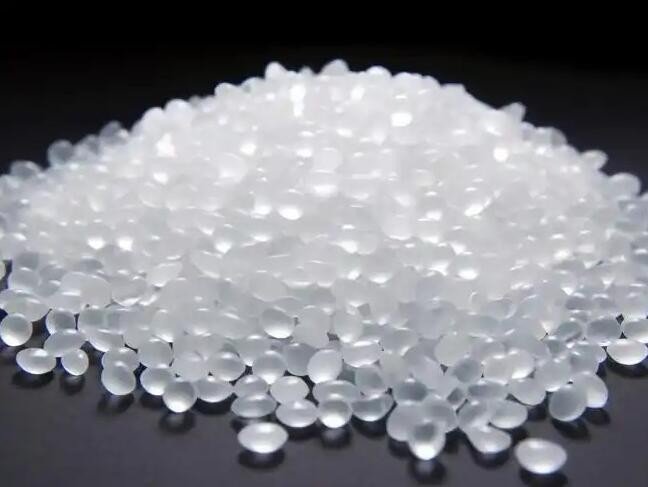
White resin refers to resin materials that appear white, milky-white, or nearly colorless. These materials typically possess properties such as film-forming capability, adhesiveness, thermoplasticity, or chemical reactivity, with specific characteristics determined by the type of resin and its molecular structure.
In terms of chemical classification, resins are generally categorized as either natural or synthetic. Natural resins are derived from sources such as plants, while synthetic resins are produced through chemical polymerization, condensation, or other synthetic processes. White resins can be either light-colored products derived from processed natural resins or synthetic resins manufactured using modern chemical technology. Examples include certain light-colored petroleum resins, acrylic resins, polyester resins, epoxy resins, and various other polymeric materials that may exhibit a white or milky-white appearance.
In industrial trade, the term "white resin" is sometimes used to describe products characterized by low color intensity, a light hue, or high whiteness. In sectors such as coatings, inks, adhesives, and plastics processing, the color of a resin can directly influence the appearance of the final product, making light-colored resins particularly valuable. It is important to note that "white resin" is a broad category; products within this group do not necessarily share the same properties. When sourcing these materials, one should not judge quality based on color alone; it is essential to consider the resin's chemical type, technical specifications, and intended application.
Petroleum resins are thermoplastic resins produced through the polymerization and subsequent processing of unsaturated hydrocarbon fractions derived from petroleum cracking. Depending on the raw material composition, they are generally categorized into types such as C5 petroleum resins, C9 petroleum resins, and C5/C9 copolymer resins. Through the careful selection of raw materials and optimization of production processes, some petroleum resins can achieve a lighter color, appearing pale yellow, light-colored, or nearly white.
White or light-colored petroleum resins typically offer good tackifying properties, compatibility, and thermal stability. They are used in applications such as hot-melt adhesives, pressure-sensitive adhesives, rubber processing, coatings, and inks. Compared to darker-colored resins, these low-chroma products are better suited for applications where the color of the final product is a critical requirement. However, specific performance characteristics must be evaluated based on parameters such as softening point, molecular weight distribution, acid value, and compatibility.
Acrylic resins are synthetic resins produced through the polymerization of acrylic monomers and their derivatives. These resins exhibit excellent weather resistance, transparency, film-forming capabilities, and formulation versatility. They are widely used in architectural coatings, industrial coatings, automotive coatings, plastic coatings, and adhesives. Depending on their form and formulation, acrylic resins can be produced as solids, solutions, or emulsions. Some products appear white or milky white, though their color may change once they form a film.
The specific performance of an acrylic resin depends on its monomer composition, polymerization method, and cross-linking system. They are well-suited for applications that demand specific standards for appearance, weather resistance, and coating performance.
Polyester resins are a class of polymeric materials synthesized through the polycondensation of raw materials such as polyols and polyacids. Based on their chemical structure and intended use, polyester resins can be classified into types such as unsaturated polyester resins and saturated polyester resins. Some polyester resins appear white or light-colored and possess a certain degree of mechanical strength, adhesion, and film-forming capability. They are used in applications such as powder coatings, composite materials, fiberglass-reinforced plastic (FRP) products, and industrial coatings. For instance, when used in powder coatings, polyester resins can be combined with curing agents, pigments, and additives; upon heat-curing, they form a coating that offers specific mechanical properties and decorative effects.
Epoxy resins are a class of thermosetting resin materials containing epoxy groups in their molecular structure. In their uncured state, some epoxy resins appear as transparent, pale yellow, or white solids, with their specific appearance depending on the type of resin, the purity of the raw materials, and the production process.
Epoxy resins exhibit excellent adhesion, mechanical strength, and chemical resistance. They are widely used in industrial adhesives, electronic encapsulation, floor coatings, composite materials, and electrical insulation. It should be noted that epoxy resins generally require the addition of a suitable curing agent; the properties of the cured material depend on how well the resin and the curing system are matched.
Amino resins are a class of thermosetting resins prepared through the chemical reaction of amino-containing compounds with aldehydes. Common types include urea-formaldehyde resins and melamine-formaldehyde resins. These resins are used in coatings, wood processing, decorative panels, and industrial adhesives. Some amino resin products are white or light-colored and can be combined with other resin systems to improve the hardness, wear resistance, and cross-linking density of coatings. As products vary in terms of free formaldehyde content, curing conditions, and environmental compliance, it is essential to select a product that meets the relevant standards for the intended application.
A white or light-colored appearance is the most immediate visual characteristic of these resins. In the production of coatings, inks, adhesives, and plastics, the inherent color of the resin can influence the color of the final product. Using low-chroma (low-color) resins helps minimize the impact of the resin’s inherent color on the appearance of the final formulation. This is particularly important in the production of white coatings, light-colored adhesives, and transparent materials, where the color of raw materials is often a key criterion during procurement. However, the use of a "white" (or light-colored) resin does not guarantee that the final product will be pure white; the final color is also influenced by pigments, fillers, additives, and the specific processing methods employed.
Some white resins possess good adhesive capabilities, allowing them to serve as the base material for adhesives or adhesive formulations. For instance, certain petroleum resins and polymer resins can be combined with other elastomers or high-molecular-weight materials to enhance the initial tack and overall adhesion of an adhesive. Since the adhesive performance varies from one resin to another, the choice must be based on the materials being bonded, the operating temperature, and the specific requirements of the final product.
In industrial production, resins are rarely used in isolation; they are typically combined with other raw materials to create a complete product system. For example, in the production of coatings, a resin might be combined with pigments, solvents, curing agents, and additives, while in the production of adhesives, it might be mixed with rubber, plasticizers, and other functional materials. Many white resins offer excellent formulation compatibility, allowing them to be integrated with a wide range of other materials to meet specific production needs. It should be noted, however, that resins of different chemical types may not always be compatible; therefore, the suitability of any given formulation should be verified through testing.
Different white resins exhibit distinct processing characteristics. Thermoplastic resins can generally be processed by softening them through heating and subsequently cooling them to solidify, whereas thermosetting resins require a chemical cross-linking reaction to form a stable structure. Depending on the product type, white resins can be utilized in processes such as hot-melt application, coating, casting, spraying, and molding. Manufacturers should select the appropriate type of resin based on their existing equipment and processing conditions.
By adjusting the molecular structure of the resin, the ratio of raw materials, and the production process, it is possible to obtain products with specific softening points, viscosities, hardness levels, heat resistance, and mechanical properties. Therefore, white resins are not limited to a single, fixed application; rather, they can be used to create a diverse range of products tailored to various industrial requirements.
Coatings represent a significant application area for white or light-colored resins. In the production of coatings, resins typically serve as film-forming agents, determining key properties such as adhesion, hardness, flexibility, weather resistance, and chemical resistance. Certain white resins can function as base or auxiliary resins within a coating formulation; when combined with pigments, fillers, and additives, they produce industrial coatings designed for various specific uses.
For instance, in architectural coatings, industrial protective coatings, wood coatings, and metal surface coatings, manufacturers can select appropriate acrylic resins, polyester resins, or other light-colored resins based on specific performance requirements. For white and light-colored coatings, the color stability of the resin itself is crucial; using raw materials with low color values (i.e., high clarity or minimal inherent color) simplifies the process of color matching and adjustment.
White resins also play a vital role in the production of adhesives. Certain resins can enhance properties such as initial tack, holding power (adhesion), cohesive strength, and thermal stability. In the formulations of hot-melt adhesives and pressure-sensitive adhesives, in particular, tackifying resins are often essential components. For example, light-colored petroleum resins can be combined with polymers such as EVA, SBS, or SIS to produce hot-melt adhesives for packaging, labels, adhesive tapes, and various industrial applications.
When selecting a resin, it is important to consider its compatibility with the base polymer, as well as key parameters such as softening point, color, odor, and thermal stability.
In the field of plastics processing, certain white resins can serve as base polymers or functional additives. For example, some resins can improve the processing flow, surface characteristics, and formulation properties of plastic products. These materials may also be utilized in plastic modification, the creation of composite materials, and the production of specialized functional plastics. In practical applications, the appropriate resin must be selected based on the plastic substrate, processing temperature, intended use of the product, and specific performance requirements.
It should be noted that a "white resin" is not the same as a "white plastic raw material." The appearance of the resin and the final color of the plastic product are also influenced by pigments, fillers, and processing conditions.
During rubber processing, certain light-colored petroleum resins and other resinous materials can serve as tackifiers or functional additives. For instance, in the production of tires, rubber goods, and rubber-based adhesives, the right resin can improve the adhesion between rubber compounds and enhance processing performance. For light-colored rubber products, using a lighter-colored resin helps minimize any impact on the final product's appearance.
In specific applications, it is necessary to consider the compatibility between the resin and the type of rubber, as well as the resin's effect on the vulcanization process, mechanical properties, and heat resistance.
In ink production, resins are required to provide essential film-forming capabilities, adhesion, and printability. Depending on the formulation, white or light-colored resins can be used in certain ink systems—particularly for products that demand high color purity and consistent appearance. Different types of inks have different requirements for resins; for example, inks used for packaging, plastic films, or industrial printing require resins selected based on the substrate, drying method, and operating environment. In actual production, the resin must also demonstrate good compatibility with pigments, solvents, and other additives.
Composite materials typically consist of a resin matrix combined with reinforcing materials, such as glass fibers, carbon fibers, or other fibrous substances. Certain light-colored polyester or epoxy resins can function as the matrix, binding the reinforcing fibers together to create a composite structure with specific strength and rigidity. Such materials are widely used in sectors including construction, transportation, shipbuilding, industrial equipment, and wind power infrastructure. Since different composite products have varying requirements regarding curing characteristics, mechanical strength, heat resistance, and chemical resistance, the choice of resin must be tailored to the specific manufacturing process.
In the processes of wood processing and the manufacturing of decorative materials, certain resins are used for bonding, surface coating, and the production of composite boards. For instance, specific amino resins and other synthetic resins serve as adhesives for engineered wood panels, decorative boards, and various wood products. These resins facilitate bonding between wood-based materials, enhancing the overall structural stability of the finished products. Furthermore, certain light-colored resins help meet specific aesthetic requirements—such as color and appearance—for decorative materials. In the wood processing sector, products must also comply with relevant standards regarding formaldehyde emissions, environmental safety, and indoor air quality.
(1) Identify the Specific Resin Type: First, determine the chemical system to which the white resin belongs—such as petroleum resins, acrylic resins, polyester resins, or epoxy resins. Because molecular structures and processing characteristics vary significantly between different types, the term "white resin" alone is insufficient to judge a product's suitability.
(2) Consider Color and Chromaticity: For applications where appearance is critical—such as coatings, adhesives, and inks—pay close attention to the resin's color, chromaticity, and batch-to-batch consistency. Consult the technical data sheets and test reports provided by the supplier to verify that the product meets your production requirements.
(3) Check Softening Point and Viscosity: For thermoplastic and tackifying resins, the softening point and viscosity are key technical parameters. The softening point influences the resin's thermal processing characteristics and the service temperature range of the final product, while viscosity affects formulation mixing, application (coating), and processing operations.
(4) Evaluate Compatibility: Since resins are typically used in combination with other polymers, solvents, pigments, or additives, compatibility is essential. Incompatibility with other components in a formulation can lead to issues such as phase separation, precipitation, turbidity, or reduced adhesive performance.
(1) Select appropriate storage conditions based on the specific type of resin. Some solid resins require storage in a dry, cool, and well-ventilated environment to prevent moisture absorption and contamination. Liquid resins should be stored at temperatures specified in the product instructions, and their packaging must be kept tightly sealed.
(2) Resins should not be exposed to direct sunlight or high temperatures for extended periods. For certain heat-sensitive resins, high temperatures can cause changes in viscosity, premature reaction, or a decline in product performance.
(3) Different types of resins should not be mixed arbitrarily. Even if two resins appear similar, differences in their chemical structures can lead to incompatibility.
(4) During production, formulation and processing must be carried out in accordance with the technical specifications provided by the supplier. For resins that require curing agents, catalysts, or other additives, the correct mixing ratios and usage conditions must be verified.
(5) Operators should take appropriate personal protective measures—as outlined in the product’s Safety Data Sheet (SDS)—to avoid unnecessary skin contact or inhalation of vapors. For products containing volatile solvents or reactive components, the work area must be kept well-ventilated, and all operations must comply with relevant safety regulations.
"White resin" is a broad category encompassing resin materials that appear white, off-white, or light-colored; it does not refer to a single, chemically uniform product. In industrial manufacturing, white resins are primarily used in applications such as coatings, adhesives, plastics processing, rubber products, inks, composite materials, and wood processing. Their value lies not only in their light color but also in their specific bonding strength, film-forming properties, processability, and compatibility with other formulation components. When sourcing or using white resins, purchasers and manufacturers should look beyond mere appearance; they must identify the specific type of resin and evaluate parameters such as color, softening point, viscosity, compatibility, and environmental compliance based on the intended application. Only by aligning product performance with specific production processes can one select the resin material best suited to their needs, thereby enhancing both product quality and manufacturing efficiency.
 Address:Linzi District,Zibo City,Shandong Province
 E-mail:wanbang@wanbangresin.com
 WhatsApp:+8615053337101
China C5 hydrogenated petroleum resin supplier : Shangdong Wanbang New Materials Co., Ltd.
C5 hydrocarbon resin manufacturer has a wide range of applications, high quality, low price, and multiple uses.Welcome to consult.