
 Language


More Language
Language
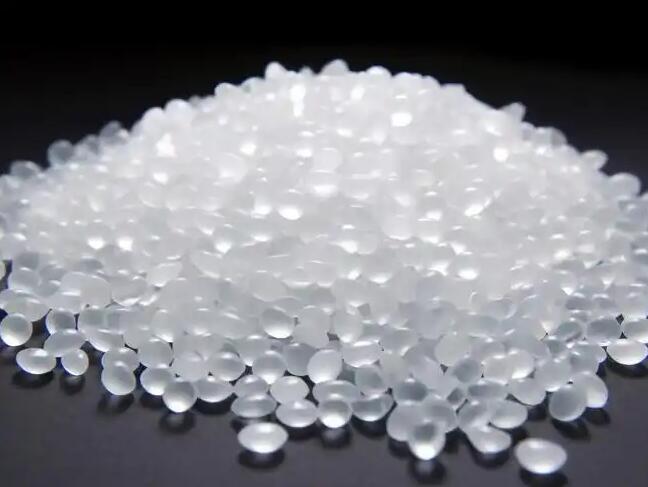


White resin technology analysis
I. Material properties
Physical properties:
White resin board is mainly composed of resin, filler and pigment. It has the characteristics of light weight (low density), high surface smoothness (L* value ≥90), easy processing (can be cut/bent), etc. The color number is controlled ≤10# (light yellow to nearly white).
It has excellent weather resistance and can resist ultraviolet rays, chemical corrosion and humid environment. The color difference ΔE is <2.0 after UV aging for 500 hours.
Chemical and thermal properties:
It is divided into two categories: thermoplastic and thermosetting. Thermoplastic resins (such as polyethylene and polypropylene) can be repeatedly melted and processed, while thermosetting resins (such as epoxy resins) are irreversible after curing, and the temperature resistance can reach above 200℃.
Environmental protection performance is improved. Some models have passed RoHS certification and no heavy metals and harmful solvents are released.
II. Core application areas
Architecture and decoration:
It is used for indoor and outdoor wall, ceiling and billboard production. The surface is easy to clean and has a high gloss effect (60° gloss ≥90 GU).
Replace traditional materials in outdoor scenes such as awnings and roofs, with a weather-resistant life of ≥10 years.
Industry and high-end manufacturing:
As a composite material matrix, it is used in aerospace structural parts (such as satellite antenna brackets), new energy vehicle lightweight components (battery housings, body), etc., with a higher specific strength than steel.
Electronic grade resins are used in photoresist formulations to meet the requirements of semiconductor manufacturing for high purity (electronic grade) and precision graphics.
Special functional scenarios:
Antibacterial coatings are used in medical devices, and food grade resins meet FDA standards and can directly contact food.
Super absorbent resin (SAP) achieves more than 500 times the water absorption capacity in sanitary products, agricultural water retaining agents and other fields.
III. Development trend
High performance:
Develop high temperature resistant models (such as polyphenylene sulfide PPS) to withstand >200℃ environments in new energy vehicle drive systems.
Improve fire protection level (UL94 V-0) to meet the needs of upgrading building fire protection regulations.
Greening and intelligence:
The proportion of bio-based resins has increased, and degradable materials (such as PLA modified resins) are prepared with plant-extracted monomers.
Smart resins with integrated sensing functions (such as thermochromic materials) have emerged in the fields of packaging and electronic skin.
Through continuous technological innovation, white resins are penetrating from traditional building materials to high-end manufacturing, new energy and electronic industries, becoming a key material for the coordinated development of multiple fields.
IV.How to Distinguish and Select White resin
1. Core Distinguishing Dimensions for White Resin
1.1 Appearance & Color Difference
Water-white superior grade: Gardner color ≤1#, transparent crystal particles, no yellow tint under light, long-term heating not easy to discolor;
Light white general grade: Gardner color 1~3#, slight pale yellow tone, suitable for products with low transparency requirements;
Avoid off-white yellowed resin: Gardner color over 3#, obvious yellowing, poor anti-oxidation performance, easy to cause finished product discoloration.
1.2 Hydrogenation Degree Distinction (Key Differentiating Index)
Full hydrogenated resin: Deep hydrogenation treatment, almost no unsaturated double bonds, outstanding anti-yellowing, high price, for high-end transparent products;
Partial hydrogenated resin: Low hydrogenation depth, low cost, slight yellowing after long-time high temperature processing, applicable to ordinary transparent glue.
1.3 Compatibility Matching Selection
Match SIS, transparent EVA, hydrogenated rubber: Prioritize hydrogenated C5 / DCPD white resin;
Match SBS, general EVA, rubber compounding: Choose hydrogenated C9 white resin with moderate softening point;
High transparency & low odor requirements: Select fully hydrogenated alicyclic white resin with low volatile content.
1.4 Purchase Screening Principles
Adhesive for transparent products (sanitary napkin glue, electronic transparent glue): Prioritize Gardner ≤1, low volatile, fully hydrogenated white resin;
Low-cost general hot melt glue: Choose partially hydrogenated white resin with Gardner 1~3#;
High-temperature processing production line: Select products with good thermal stability, low ash content and low acid value;
Long-term storage demand: Require low acid value and low unsaturation to avoid slow yellowing during storage.
2. Special Performance Parameter Table for White Resin Selection
|
Test Item |
High-End Water-White Resin Standard |
Conventional Light White Resin Standard |
Influence on Finished Products |
|
Gardner Color |
≤1# |
1#~3# |
Higher color number leads to yellow glue, poor transparency |
|
Softening Point (Ring & Ball) |
85~110℃ |
80~115℃ |
Adjust processing temperature and initial adhesion strength |
|
Acid Value |
≤0.1mgKOH/g |
≤0.3mgKOH/g |
High acid value accelerates aging and yellowing of adhesive system |
|
Volatile Content |
≤0.2% |
≤0.4% |
High volatility causes odor, bubbles during hot melting |
|
Ash Content |
≤0.05% |
≤0.1% |
Excessive ash reduces transparency and adhesive force |
|
Thermal Stability (180℃, 2h) |
Color change ≤1# |
Color change ≤2# |
Reflect anti-yellowing performance under high temperature processing |
|
Hydrogenation Type |
Fully hydrogenated |
Partially hydrogenated |
Decides long-term anti-oxidation performance |
 Address:Linzi District,Zibo City,Shandong Province
 E-mail:wanbang@wanbangresin.com
 WhatsApp:+8615053337101
China C5 hydrogenated petroleum resin supplier : Shangdong Wanbang New Materials Co., Ltd.
C5 hydrocarbon resin manufacturer has a wide range of applications, high quality, low price, and multiple uses.Welcome to consult.