 Language


More Language
Language
With the continuous development of industries such as adhesives, rubber processing, coatings, inks, and road materials, the market demand for petroleum resins has been steadily increasing. Different application areas impose varying requirements on resins regarding softening point, color, compatibility, adhesive performance, and thermal stability. To meet these needs, petroleum resin manufacturers have continuously refined their raw material selection and polymerization processes, developing a diverse range of resin products with distinct performance characteristics. Among these, C5C9 copolymer resins have emerged as a type of synthetic petroleum resin that has garnered significant attention within the industrial sector.
C5C9 copolymer resins combine structural elements and performance traits from both C5 aliphatic petroleum resins and C9 aromatic petroleum resins. This allows for a degree of flexibility in tuning properties such as adhesive performance, compatibility, color, and thermal stability. Depending on the specific formulation and production process, these resins can be utilized in applications including hot-melt adhesives, pressure-sensitive adhesives, rubber products, coatings, and inks.
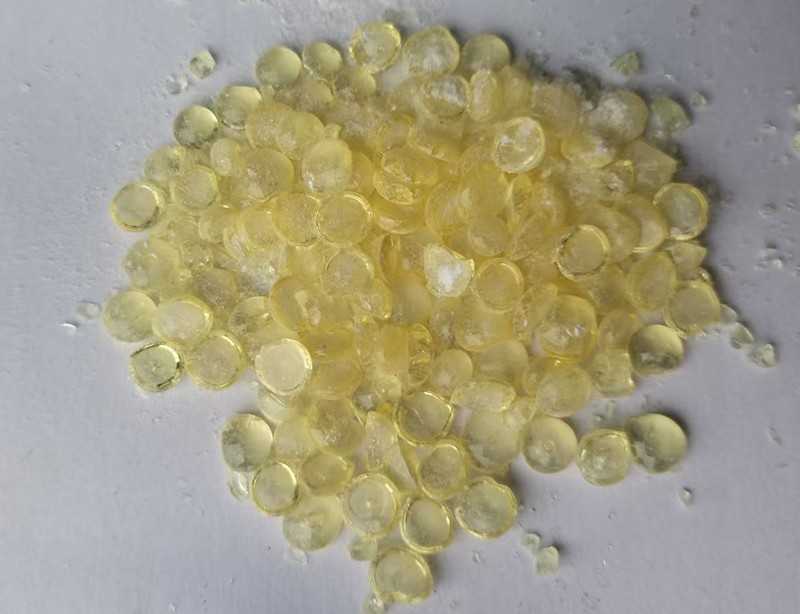
C5C9 copolymer resins are a class of petroleum resins produced through polymerization, using unsaturated hydrocarbons derived from C5 and C9 fractions as the primary raw materials. The terms "C5" and "C9" do not imply that the resins contain exactly five or nine carbon atoms; rather, they refer to the approximate carbon-number range of the hydrocarbon components present in the feedstock.
The C5 fraction typically originates from the mixed hydrocarbons generated during petroleum cracking and primarily consists of aliphatic and alicyclic unsaturated compounds. Depending on the source and the refining method, this fraction may contain components such as pentene, isoprene, and piperylene (1,3-pentadiene). Under appropriate conditions, these unsaturated compounds undergo polymerization to form resins with specific molecular weights and softening points.
The C9 fraction is primarily derived from the aromatic hydrocarbon streams produced during petroleum cracking or related petrochemical processes. It typically contains unsaturated aromatic compounds, such as styrene, indene, and their respective derivatives. Aromatic petroleum resins can be produced through the appropriate processing of raw materials followed by a polymerization reaction.
C5C9 copolymer resins are formed by combining C5 and C9 feedstocks in specific proportions and subjecting them to polymerization—facilitated by catalysts and controlled reaction conditions—which allows various types of hydrocarbon components to participate in the resin-formation process. By adjusting the feedstock composition, polymerization temperature, reaction duration, and post-processing techniques, one can modify the resin’s softening point, color, molecular weight distribution, and other properties. A key advantage of C5C9 copolymer resins, compared to resins derived solely from C5 or C9 fractions, is the ability to tune the ratio of aliphatic to aromatic structures within a certain range, thereby meeting the requirements of diverse industrial formulations.
The quality of the raw materials is a critical factor influencing the performance of C5C9 copolymer resins. C5 feedstocks are typically derived from by-product fractions of petroleum cracking; through separation and refining, they yield reactive hydrocarbon components suitable for polymerization. C9 feedstocks are primarily sourced from aromatic hydrocarbon fractions, which contain unsaturated aromatic compounds capable of participating in the polymerization process.
The composition of the raw materials affects polymerization reactivity, the molecular structure of the resin, and the properties of the final product. For instance, the proportion of reactive components, the level of impurities, and the stability of the constituents can all influence the product's color, softening point, and batch-to-batch consistency. Consequently, careful selection and quality control of C5 and C9 feedstocks are essential during production to ensure the target product meets specific performance requirements.
Before entering the polymerization stage, raw materials generally undergo necessary pretreatment. The primary objective of this step is to remove moisture, impurities, and other undesirable components that could interfere with the polymerization reaction, while also enhancing the stability of the feedstock quality. If the raw materials contain significant amounts of substances that inhibit catalyst activity, it can lead to fluctuations in reaction rates or even compromise the stability of the polymerization process. Therefore, the pretreatment of raw materials is a vital step in guaranteeing product quality.
Polymerization is the core stage in the production of C5C9 copolymer resins. Pretreated C5 and C9 feedstocks are introduced into the reaction system according to a specific formulation, where they undergo polymerization under appropriate catalytic systems and process conditions. As the various hydrocarbon components participate in the reaction, they gradually form resins with specific molecular weights and structural characteristics.
The polymerization process influences the final product's properties, such as its softening point, molecular weight distribution, color, and compatibility. In actual production, the ratio of C5 to C9 is not the only determining factor; the composition of the raw materials, the type of catalyst used, reaction conditions, and downstream processing steps all collectively affect the quality of the resin.
Once the polymerization reaction is complete, the reaction mixture typically undergoes post-treatment to remove catalyst residues and other unwanted components. The specific treatment method depends on the catalytic system and production process employed. Through appropriate separation and purification steps, the purity and stability of the product can be enhanced, preparing it for the subsequent devolatilization stage.
The resin mixture resulting from polymerization may contain unreacted raw materials, solvents, or other low-boiling-point components. Manufacturers typically use distillation, steam stripping, or other suitable devolatilization techniques to separate these components from the resin. This process helps control the volatile content in the final product, thereby improving the resin's performance and storage stability.
Following post-treatment, the resin undergoes quality testing. Common parameters include the softening point, color, molten state, acid value, ash content, and volatile content—with the specific tests determined by product standards and application requirements. Once the product passes inspection, it can be processed into granules, flakes, or other forms suitable for transport and end-use, before being packaged and stored.
C5C9 copolymer resins can serve as tackifiers in adhesive formulations, enhancing the wetting and contact between the adhesive and the substrate. In hot-melt and pressure-sensitive adhesive systems, these resins influence initial tack, peel strength, and cohesive strength (holding power). By adjusting the resin type and its dosage, adhesives can be tailored to suit various substrates and application environments.
It should be noted that the resin alone does not determine the final adhesive performance; other components—such as base polymers, plasticizers, fillers, waxes, and various additives—also significantly impact the properties of the formulation.
Compatibility is a key criterion for determining whether a petroleum resin is suitable for a specific adhesive or rubber formulation. C5 components typically exhibit a predominantly aliphatic structure, while C9 components contain a higher proportion of aromatic structures. By varying the ratio of these raw materials and modifying the polymerization process, the molecular structure and polarity of the resin can be altered, allowing for different levels of compatibility with various base polymer systems. For instance, in certain rubber-based adhesives and hot-melt systems, an appropriate C5C9 copolymer resin can be selected—based on the specific base polymer—to improve the overall performance of the formulation. However, compatibility must always be verified through practical formulation testing; it cannot be assumed that every C5C9 resin is fully compatible with every type of rubber or polymer.
The softening point is a critical quality metric for petroleum resins, indicating the temperature range over which the resin begins to soften when heated. The softening point of C5C9 copolymer resins can be adjusted by varying factors such as the ratio of raw materials, polymerization conditions, and molecular structure.
Different application areas have distinct requirements regarding the softening point. For instance, some hot-melt adhesive formulations require the resin to exhibit specific melting and flow characteristics within a defined temperature range, whereas certain rubber-processing formulations place greater emphasis on the resin’s compatibility with the base material and its overall processing performance. Consequently, the appropriate softening point grade should be selected based on the specific production process.
The color of petroleum resins is influenced by factors such as the purity of the raw materials, the polymerization process, and post-processing methods. C5C9 copolymer resins can range in color from light yellow to darker shades, depending on the specific product type and the quality control standards maintained during production.
For light-colored hot-melt adhesives, packaging adhesives, and other applications where appearance is critical, resin color is a key selection criterion. For industrial applications with less stringent color requirements, the choice can be based on a broader assessment of other performance attributes and cost. If a product is required to maintain a light color over an extended period, the resin’s thermal stability and resistance to color change should also be considered.
C5C9 copolymer resins are suitable for industrial formulations that involve thermal processing, such as hot-melt adhesives and rubber compounds. During processing, the resin is subjected to heating and melting. A suitable resin should maintain relatively stable performance under specified processing conditions, avoiding significant color shifts, abnormal viscosity changes, or other undesirable effects.
However, heat resistance varies between different products. A resin’s thermal stability depends not only on its chemical structure but also on processing temperatures, heating duration, and the overall composition of the formulation. Therefore, for high-temperature processing applications, the appropriate operating conditions should be determined based on technical documentation and practical testing.
In industrial formulations, tackifying resins typically function in conjunction with base polymers and other additives. C5C9 copolymer resins can be used to adjust a material’s adhesive properties, flow characteristics, softening behavior, and processing performance to meet the specific requirements of a given formulation. For instance, in certain adhesive systems, the addition of an appropriate resin can improve the wetting of the substrate by the adhesive layer; in rubber processing, resins can influence both the processing viscosity of the material and the performance of the finished product. Therefore, the value of C5C9 copolymer resins lies not only in their inherent properties but also in the flexibility they offer for adjusting various industrial formulations.
Hot-melt adhesives are adhesives that are applied in a molten state (via heating) and subsequently solidify upon cooling to form a bond. They are widely used in sectors such as packaging, furniture, textiles, labeling, and the manufacturing of consumer goods. In hot-melt adhesive formulations, tackifying resins are critical components that dictate bonding performance. C5C9 copolymer resins serve as tackifying agents, used in combination with base polymers, waxes, and other additives.
By selecting a resin with an appropriate softening point and determining the optimal dosage, manufacturers can fine-tune the hot-melt adhesive’s initial tack, peel strength, melt viscosity, and processability. For example, in certain packaging hot-melt adhesives, these resins enhance the wetting of paper, cardboard, and other packaging materials. The ideal resin type for a given application must be determined through formulation testing, taking into account the specific substrates and end-use environments.
Pressure-sensitive adhesives are a class of adhesives that form a bond under light pressure; they are commonly found in products such as labels, adhesive tapes, protective films, and self-adhesive materials. PSAs generally require a balance of initial tack, peel strength, and cohesive strength (holding power). C5C9 copolymer resins function as tackifiers, helping to modulate the adhesive’s bonding characteristics. In practical production, factors such as the resin’s softening point, color, compatibility, and thermal stability directly impact the quality of the final product. For instance, when producing packaging labels or industrial tapes, manufacturers must select the appropriate grade of resin based on the substrate type, required bonding duration, and operating temperature.
C5C9 copolymer resins can also be incorporated into certain rubber processing formulations. During the production of rubber products, these resins may be used to adjust mixing characteristics, processing viscosity, and the overall performance of the material. In specific rubber systems, an appropriate petroleum resin can improve the processability of the rubber compound and influence the physical properties of the final product. The specific effects depend on factors such as the type of rubber, the structure of the resin, the dosage used, and the processing techniques employed. Manufacturers should conduct compatibility and performance testing based on their specific formulations to avoid product quality issues resulting from material incompatibility.
In certain industrial and specialty coatings, petroleum resins can serve as auxiliary resins or modifying components. Depending on the product structure and compatibility requirements, C5C9 copolymer resins can help adjust film-forming properties, adhesion, and other formulation characteristics.
For coating products, key factors to consider include the resin’s color, softening point, solubility, and weather resistance. Before use, it is essential to verify the resin’s compatibility with the primary binder resin and the solvent system of the coating.
In some printing ink formulations, petroleum resins can act as auxiliary components within the binder system, helping to adjust viscosity, flow, adhesion, and drying characteristics. Whether a C5C9 copolymer resin is suitable for a particular ink depends on its solubility, color, and compatibility, as well as the nature of the printing substrate.
For packaging inks, industrial inks, and other specialty ink products, manufacturers typically need to verify the resin’s actual performance through formulation testing; a single resin cannot simply be applied to all types of ink systems.
(1) First, clearly define the intended application. Different applications have distinct requirements for the resin. For instance, hot-melt adhesives prioritize softening point, melt viscosity, and tackifying performance, whereas light-colored adhesives may place greater emphasis on resin color and thermal stability.
(2) Check the softening point. The softening point is a key indicator for determining the grade of a resin; the appropriate range should be selected based on the production process and the requirements of the final product.
(3) Consider the color. For adhesives and coatings that demand a high-quality appearance, select a resin that meets specific color requirements and offers consistent quality across batches.
(4) Verify compatibility. The resin must be sufficiently compatible with the base polymers and other additives in the formulation. Before procurement, request samples from the supplier to conduct small-scale formulation testing.
(5) Evaluate volatile content and other quality parameters. Factors such as volatile content, ash content, and other technical specifications can affect processing characteristics and end-use performance; these should be verified against the relevant product standards.
(6) Assess the supplier’s production capacity, quality control systems, supply stability, and technical support capabilities. For long-term manufacturing operations, consistent product quality is far more important than merely seeking the lowest purchase price.
C5C9 copolymer resins are petroleum resins produced via polymerization, using unsaturated hydrocarbons derived from C5 and C9 fractions as primary raw materials. By adjusting the raw material composition and production process, the balance between the performance characteristics contributed by aliphatic and aromatic structures can be fine-tuned. With an adjustable softening point, reliable adhesive properties, and strong formulation adaptability, C5C9 copolymer resins are used in applications such as hot-melt adhesives, pressure-sensitive adhesives, rubber processing, coatings, and printing inks.
When selecting C5C9 copolymer resins, manufacturers should look beyond the product name and price. Instead, they must make a comprehensive assessment based on the type of base polymer, processing temperatures, softening point, color, compatibility, and the specific requirements of the final product. By choosing the right resin grade and conducting necessary formulation testing, manufacturers can effectively leverage the full industrial value of C5C9 copolymer resins.
 Address:Linzi District,Zibo City,Shandong Province
 E-mail:wanbang@wanbangresin.com
 WhatsApp:+8615053337101
China C5 hydrogenated petroleum resin supplier : Shangdong Wanbang New Materials Co., Ltd.
C5 hydrocarbon resin manufacturer has a wide range of applications, high quality, low price, and multiple uses.Welcome to consult.