
 Language


More Language
Language
With the continuous development of the adhesives, hot-melt adhesives, pressure-sensitive adhesives, packaging materials, and high-performance polymer industries, the market’s performance requirements for resin materials are steadily increasing. Beyond basic bonding capabilities, products are now expected to offer excellent heat resistance, weather resistance, color stability, compatibility, and a long service life. Against this backdrop, hydrogenated tackifying resins have emerged as a vital raw material in the fields of adhesives and polymer materials.
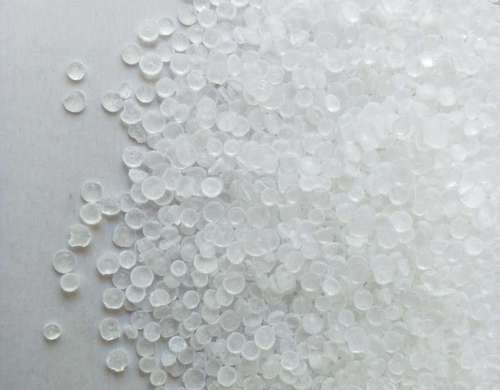
Hydrogenated tackifying resins are functional resins processed via catalytic hydrogenation, primarily used to enhance the initial tack, cohesive strength (holding power), and peel strength of adhesives. Typically derived from petroleum resins, rosin resins, or other resins suitable for hydrogenation, these materials undergo treatment—involving specific temperatures, pressures, and catalysts—that causes some of the unsaturated bonds within the resin’s molecular structure to react with hydrogen, thereby reducing the chemical reactivity associated with those unsaturated structures.
In adhesive formulations, the base polymer generally provides the primary cohesive strength and elasticity, while the tackifying resin serves to improve the wetting of the substrate surface, thereby boosting initial adhesion. In simpler terms, tackifying resins help the adhesive make better contact with the substrate, enabling an effective bond to form within a short period.
Hydrogenated tackifying resins are an optimized evolution of conventional tackifying resins. Through the hydrogenation process, unsaturated structures within the resin are converted into more stable saturated structures, resulting in superior color stability, thermal stability, and resistance to oxidation.
Depending on their raw material source and molecular structure, hydrogenated tackifying resins can be categorized into various types, such as hydrogenated C5 petroleum resins, hydrogenated C9 petroleum resins, hydrogenated C5/C9 copolymer petroleum resins, and hydrogenated rosin-based resins. These products differ in terms of softening point, molecular weight, compatibility, and adhesive performance, making them suitable for a wide range of adhesive systems. It should be noted that hydrogenated tackifying resins do not consist of a single chemical structure; rather, they represent a category of resin products modified through hydrogenation. Their actual performance depends on the base raw materials, the degree of hydrogenation, the production process, and specific product specifications.
The production of hydrogenated tackifying resins typically involves several stages: selection of the base resin, raw material pretreatment, catalytic hydrogenation, catalyst separation, post-processing, and product testing. Among these, catalytic hydrogenation is the critical step, as it directly influences the product's color, stability, and performance in its final application.
(1) The appropriate base resin must be selected based on the intended use of the final product. For instance, hydrogenated C5 petroleum resins are generally derived from aliphatic petroleum resins, while hydrogenated C9 petroleum resins are based on aromatic petroleum resins. Since different raw materials possess distinct molecular structures, the resulting products will exhibit varying degrees of compatibility and ranges of application.
(2) During the raw material pretreatment phase, the base resin undergoes necessary purification and treatment to reduce the content of moisture, mechanical impurities, and other substances that could interfere with the reaction. The quality of the raw materials affects the stability of the subsequent catalytic reaction, as well as the color and purity of the final product.
(3) The catalytic hydrogenation process: Under specific catalytic systems and process conditions, hydrogen reacts with the unsaturated structures within the resin molecules, saturating a portion of the double bonds. By controlling the extent of the reaction, it is possible to obtain hydrogenated resins with diverse performance characteristics. Given the structural differences among various base resins, production processes must be tailored to the specific type of product being manufactured.
(4) Following the hydrogenation reaction, the catalyst is separated, and the product undergoes post-processing to minimize residual catalyst and other impurities. Subsequently, the product is subjected to processes such as the removal of volatile substances, filtration, and cooling to yield a resin product that meets the required specifications.
(5) Manufacturers must conduct quality testing on the products. Common testing parameters include color, softening point, acid value, melt viscosity, molecular weight distribution, and various stability indicators. For adhesives intended for food packaging, hygiene products, or other specialized applications, it is also necessary to consider factors such as odor, migration control, and compliance with relevant regulations, depending on the specific application requirements.
(6) The entire production process requires strict control over raw material quality and process stability. A higher degree of hydrogenation is not necessarily better; rather, the level must be determined through a comprehensive design approach that balances the target product's color, compatibility, adhesive performance, and cost requirements.
Color is a critical quality indicator for many adhesive products—particularly in applications such as transparent tapes, adhesives for hygiene products, and light-colored hot-melt adhesives—where the color of the raw materials directly influences the appearance of the final product. Conventional petroleum resins may contain a certain proportion of unsaturated structures, which are prone to oxidation during thermal processing or long-term storage, causing the color to darken over time. Through hydrogenation, these unsaturated structures are saturated, reducing their chemical reactivity; this typically results in a lighter-colored resin and helps maintain the consistent appearance of the adhesive product.
Adhesives may be exposed to high temperatures during production, processing, and end-use. For instance, hot-melt adhesives must be heated and melted before they can be applied or used for bonding. If a resin lacks sufficient thermal stability, it may undergo changes in color or viscosity, or experience a decline in performance during processing. Because their molecular structures have been modified via hydrogenation, hydrogenated tackifying resins generally exhibit superior oxidation resistance, which helps mitigate the risk of performance degradation during high-temperature processing or long-term use. It should be noted, however, that actual thermal performance also depends on factors such as the resin type, softening point, formulation composition, and processing temperature.
In outdoor environments or under conditions of long-term use, adhesives may be subjected to factors such as sunlight, air, temperature fluctuations, and humidity. Some conventional resins are prone to oxidation or aging upon prolonged exposure, which can compromise their adhesive performance. By enhancing the stability of their molecular structures, hydrogenated tackifying resins offer improved resistance to oxidation and environmental aging. Therefore, in certain formulations for pressure-sensitive adhesives (PSAs) and industrial adhesives that require high weather resistance, hydrogenated tackifying resins offer distinct advantages.
Tackifying resins must exhibit appropriate compatibility with the base polymer to form a stable adhesive system. Since resins vary in polarity, molecular structure, and softening point, their suitability for specific polymer systems differs. Certain hydrogenated C5 resins, for instance, show good compatibility with polymers such as EVA, SIS, and SBS, while other types—such as hydrogenated aromatic resins or hydrogenated rosin resins—may be better suited for different systems. The final selection should be verified through compatibility testing, formulation trials, and performance evaluations (e.g., adhesion testing).
For adhesives used in hygiene products, packaging materials, or indoor applications, odor is a key concern for both purchasers and end-users. Through proper purification of raw materials and post-processing, some hydrogenated resins can achieve a low-odor profile and enhance the visual appearance of the final adhesive. It should be noted, however, that an adhesive's odor is influenced not only by whether the resin is hydrogenated, but also by raw material purity, residual volatile substances, the production process, and other formulation components. Consequently, one cannot determine the odor level of a final adhesive solely based on the type of hydrogenation.
Different applications impose varying requirements for initial tack, cohesive strength (holding power), and peel strength. By adjusting parameters such as the type of resin, its addition level, and its softening point, formulators can fine-tune the overall performance of an adhesive. In practice, "more" is not necessarily "better" when it comes to resin content; an excessively high proportion can negatively impact the cohesive strength, heat resistance, or other properties of the adhesive layer. Therefore, adjustments must be made carefully, based on the specific base polymer and the intended end-use.
Both hydrogenated tackifying resins and conventional (non-hydrogenated) tackifying resins can be used to improve the adhesive properties of adhesives; however, they differ in terms of molecular structure, color stability, and aging resistance. Conventional tackifying resins typically retain some of the unsaturated structures present in their base raw materials, with their performance being closely linked to the raw material source, polymerization process, and molecular structure. Hydrogenated tackifying resins, by contrast, undergo an additional hydrogenation modification step after the base resin is produced, which enhances the chemical stability of certain structural components.
- In terms of color, hydrogenated resins are generally lighter in appearance, making them suitable for transparent or light-colored adhesives where aesthetics are a priority. Regarding thermal stability and weather resistance, hydrogenated resins typically offer superior oxidation resistance, making them well-suited for applications that demand long-term stability.
- In terms of cost, the production of hydrogenated tackifying resins involves additional steps—such as hydrogenation—which require more complex processes and specialized equipment; consequently, they are often more expensive than conventional tackifying resins. Purchasers should evaluate whether a hydrogenated product is necessary by considering specific performance requirements, formulation needs, and the intended end-use.
- It should be noted that hydrogenated tackifying resins are not necessarily superior to conventional resins in every respect. Significant variations can exist between different products regarding compatibility, softening points, and adhesive performance. For many standard adhesive applications where stringent requirements for color or weather resistance do not apply, conventional tackifying resins may be entirely sufficient.
Therefore, when selecting raw materials, companies should make comparisons based on the specific application environment and product quality standards, rather than relying solely on whether or not the resin has been hydrogenated.
Hydrogenated C5 petroleum resins are typically derived from aliphatic petroleum resins—produced using C5 fractions as raw materials—which are then subjected to catalytic hydrogenation. These products generally feature a light color and excellent thermal stability, and they are widely used in hot-melt adhesives, pressure-sensitive adhesives, and packaging adhesives. The compatibility of hydrogenated C5 resins depends on the specific polymer system; common applications include EVA-based hot-melt adhesives, certain rubber-based adhesives, and various other industrial bonding materials.
Hydrogenated C9 petroleum resins are derived from aromatic petroleum resins through a hydrogenation process. Compared to C5 resins, C9 resins possess different molecular structures and polarity characteristics, which leads to variations in their compatibility and performance within formulations. Hydrogenated C9 resins are used in certain hot-melt adhesives, pressure-sensitive adhesives (PSAs), and polymer-based systems. The selection of a specific resin depends on factors such as the type of base polymer, the resin's softening point, and the requirements of the formulation.
Hydrogenated C5/C9 copolymer resins combine structural features derived from different petroleum fractions. By adjusting the ratio of raw materials and the polymerization process, products with varying performance characteristics can be created. Hydrogenation enhances these resins in terms of color, thermal stability, and compatibility with various formulations. Such resins are well-suited for adhesive formulations that require a balance of bonding performance, processability, and cost. As specifications can vary significantly between manufacturers, it is essential to verify the technical data when sourcing these products.
Hydrogenated rosin-based resins are derived from rosin and its derivatives; hydrogenation is used to improve the stability of certain unsaturated structures within the molecules. These resins exhibit unique polarity and compatibility profiles, making them suitable for use in specific pressure-sensitive adhesives, hot-melt adhesives, and specialized adhesive systems.
Different types of hydrogenated rosin resins vary in terms of softening point, acid value, and compatibility; selection should be based on the technical specifications of the individual product.
Hot-melt adhesives are applied in a molten state (via heating) and form a bond upon cooling. They are widely used across various sectors, including packaging, furniture, automotive, textiles, and hygiene products. In hot-melt adhesive formulations, the base polymer typically provides the primary strength and elasticity, while tackifying resins are used to improve the wetting of the substrate by the molten adhesive and to enhance bonding performance after cooling. Hydrogenated tackifying resins can be utilized in certain hot-melt adhesive systems, such as those based on EVA, SIS, or SBS. These resins offer distinct advantages for applications requiring a light color, superior thermal stability, and low odor. For instance, in hot-melt adhesives for carton packaging, such resins improve the wetting and adhesion of the adhesive to paper surfaces; in adhesives for hygiene products, appropriate hydrogenated resins help meet stringent requirements regarding color, odor, and stability.
Pressure-sensitive adhesives are materials that form a bond with a substrate under the application of light pressure, typically requiring no additional heat or solvents to achieve an initial bond. Common PSA products include adhesive tapes, labels, self-adhesive materials, protective films, and certain medical-grade adhesives. In PSA formulations, tackifying resins enhance the initial tack and peel performance of the adhesive layer. Hydrogenated tackifying resins are particularly well-suited for products that demand high color stability, resistance to aging, and low odor. For example, transparent tapes and high-quality label materials often require a consistent, high-quality appearance; selecting the right hydrogenated resin helps minimize the risk of color change in the adhesive layer during storage and use.
The hygiene products industry imposes rigorous performance standards on adhesives, with a particular focus on odor, color stability, bonding reliability, and product safety. The manufacturing of items such as diapers, sanitary napkins, adult care products, and other disposable hygiene goods involves the use of various types of adhesives to bond non-woven fabrics, films, elastic materials, and other structural components. Hydrogenated tackifying resins can serve as a tackifying component in certain hot-melt adhesives for hygiene products, helping to tune both bonding performance and processing stability. The specific resin chosen for a given application depends on the functional requirements of the hygiene product, applicable regulatory standards, and the results of formulation testing.
The packaging industry makes extensive use of hot-melt and pressure-sensitive adhesives for applications such as carton sealing, labeling, lamination of packaging films, and product securing. In these contexts, adhesives must exhibit stable bonding performance and good processability. Hydrogenated tackifying resins can be incorporated into certain adhesive formulations to enhance initial tack and color stability. For transparent or light-colored packaging, as well as products with stringent aesthetic requirements, the color (chroma) and thermal stability of the resin are of particular importance.
Automotive manufacturing and industrial production involve a wide range of bonding applications, including the attachment of interior trim, decorative components, and wire harnesses, as well as the use of sealants and various industrial adhesive tapes. These applications are often subject to temperature fluctuations, vibrations, and long-term wear, necessitating high levels of stability and reliability in the adhesives used. Certain hydrogenated tackifying resins can be utilized in specific industrial adhesive and pressure-sensitive adhesive systems to improve bonding performance and aging resistance. However, for high-demand applications—such as structural bonding in the automotive sector—tackifying resins alone are insufficient; the entire adhesive system must be validated against established performance standards.
Beyond the traditional adhesive industry, some hydrogenated tackifying resins are used in rubber modification, polymer blends, and other products where interfacial adhesion needs to be improved. Their specific function depends on the resin structure, the type of polymer involved, and the processing conditions. For non-traditional adhesive applications, companies typically need to conduct testing for formulation compatibility, processing stability, and end-use performance.
Hydrogenated tackifying resins are a class of functional resins modified through catalytic hydrogenation, primarily used to enhance the initial tack, peel performance, and formulation stability of adhesives. Compared to many conventional tackifying resins, they typically offer advantages such as lighter color, superior resistance to thermal oxidation, and greater weatherability. Consequently, they are widely utilized in hot-melt adhesives, pressure-sensitive adhesives, adhesives for hygiene products, packaging materials, and industrial bonding applications. For resin producers and adhesive manufacturers, continuously optimizing product quality, improving batch-to-batch consistency, and offering products tailored to diverse application requirements will help meet the growing market demand for high-performance raw materials for adhesives.
 Address:Linzi District,Zibo City,Shandong Province
 E-mail:wanbang@wanbangresin.com
 WhatsApp:+8615053337101
China C5 hydrogenated petroleum resin supplier : Shangdong Wanbang New Materials Co., Ltd.
C5 hydrocarbon resin manufacturer has a wide range of applications, high quality, low price, and multiple uses.Welcome to consult.