 Language


More Language
Language
With the continuous development of industries such as coatings, adhesives, inks, rubber, plastics, and construction materials, there are increasingly high demands regarding the performance and appearance of resin materials. In many industrial products, resins must not only possess good adhesion, weather resistance, and processability but also meet requirements for color stability, aesthetic appeal, and compatibility with other materials. Consequently, light-colored resins have gradually become a common class of functional materials across various industrial sectors.
Light-colored resins generally refer to resin products characterized by a light hue or low color intensity. They can serve as base resins or functional components in coatings, inks, adhesives, rubber, and other composite materials. Compared to darker resins, a key characteristic of light-colored resins is their minimal impact on the final product's color; thus, they are particularly suitable for white or light-colored products and those with strict aesthetic requirements.
It is important to note that "light-colored resin" is not the name of a single specific chemical substance. Depending on chemical structure and intended use, this category encompasses various types of products, such as synthetic resins, modified resins, and petroleum resins. Therefore, actual performance must be evaluated based on the specific resin type and application scenario.
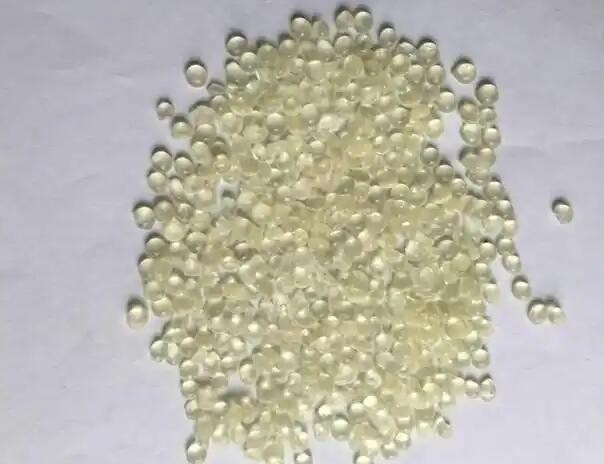
Light-colored resins are a class of materials classified based on their color and appearance characteristics. Resins typically possess a certain degree of viscosity and film-forming capability, serving as vital components in a wide range of industrial products. Their color can vary from transparent or pale yellow to dark yellow or even brown.
When a resin is light in color, it generally has a minimal impact on the final product's color. For instance, when manufacturing white or light-colored coatings, the use of a dark resin could alter the coating's final color, making it difficult to achieve the desired whiteness and shade.
Therefore, light-colored resins offer distinct advantages for products where color precision is critical.
The function of a light-colored resin depends on its specific type, but its roles can generally be summarized as follows:
(1) It can serve as the base film-forming material or bonding agent for the product.
(2) It can help enhance the bonding strength between materials.
(3) Certain light-colored resins can improve a product's gloss, water resistance, weather resistance, and processing characteristics.
(4) Due to their inherently light color, they minimize impact on the final product's color.
Consequently, in industrial formulations, light-colored resins not only contribute to material performance but also meet requirements regarding product appearance.
Coatings represent a major application area for light-colored resins. In coating formulations, resins typically serve as film-formers and binders. After application, the resin forms a continuous film that anchors pigments and other components to the substrate surface. If the resin is dark, it may alter the final color of white, light gray, light blue, or other light-colored coatings.
Therefore, light-colored resins are suitable for use in architectural coatings, industrial coatings, protective coatings, wood coatings, metal coatings, and certain specialty coatings. For products requiring bright colors, a resin with a controllable, light color simplifies formulation design.
Resin color is also a key consideration in ink production. Resins in inks generally facilitate the adhesion of pigments to surfaces such as paper, plastic film, metal, or other printing substrates. For colored and light-colored inks, a dark resin can negatively affect the final color; using a light-colored resin minimizes this color interference. Additionally, depending on the resin type, it can improve properties such as gloss, adhesion, drying performance, printability, and water resistance.
Thus, light-colored resins serve as important components in certain printing ink formulations.
The primary function of an adhesive is to bond two or more materials together. Resins are vital components of many adhesives, providing bonding capabilities and mechanical strength. Light-colored resins are particularly well-suited for products where the color of the adhesive layer is a critical factor. For instance, certain transparent, white, or light-colored adhesives require minimizing the impact of the resin's inherent color on the product's appearance. Depending on the resin type, light-colored resins can be used in specific hot-melt adhesives, pressure-sensitive adhesives, sealants, and other adhesive products.
When selecting a resin, it is also important to consider parameters such as softening point, compatibility, viscosity, and heat resistance.
The rubber industry is another major application area for resins. In rubber formulations, resins serve as tackifiers, modifiers, or auxiliary materials. Suitable resins can improve the bonding performance between rubber and other materials while influencing the product's processing characteristics and physical properties to some extent. For light-colored rubber products, using a light-colored resin minimizes the impact on the product's final color.
Consequently, light-colored resins are suitable for use in light-colored rubber goods, footwear materials, seals, and other rubber products.
This is a key reason why light-colored resins attract attention. Resins are typically mixed with pigments, fillers, and other materials. If a resin has a dark color, it can alter the final product's hue. For example, when producing white coatings, a resin with a distinct yellow or brown tint can compromise the product's whiteness. Light-colored resins, having minimal inherent color, help mitigate this issue.
Therefore, light-colored resins generally offer superior formulation compatibility for products in shades such as white, beige, light gray, and light blue.
In certain applications, the color and transparency of the resin affect the final product's visual appeal. Light-colored resins minimize background color interference, allowing the pigment's color to more closely match the intended formulation design. Additionally, some high-quality resins provide excellent gloss and transparency. For instance, in coatings and inks, the surface characteristics of the resin film influence the product's gloss and visual quality. Thus, light-colored resins do more than just provide a "light color"; they can also help enhance the overall appearance of the final product.
While performance varies by product, light-colored resins generally share the following characteristics:
(1) Light color: This is the most immediate feature, minimizing the resin's impact on the final product's color.
(2) Suitable for light-colored formulations: They are highly adaptable for use in white and colored products.
(3) Facilitates appearance control: For products with strict color and gloss requirements, they help manufacturers more easily control the final appearance.
(4) Wide range of applications: Depending on the resin type, they can be used in industries such as coatings, inks, adhesives, and rubber.
(5) Flexible formulation: Light-colored resins typically do not significantly restrict color design, making it easier to develop products in a wide variety of colors.
When purchasing light-colored resins, one should look beyond just the color:
(1) Softening point: This affects the resin's flow and performance during processing.
(2) Color value: Greater color stability helps maintain consistency in the final product.
(3) Other key factors: Viscosity, compatibility, thermal stability, weather resistance, adhesion, solubility, and storage stability.
Different application areas require a focus on different parameters. For instance, the coatings industry prioritizes film formation, gloss, and weather resistance, whereas the adhesives industry may focus more on bond strength and softening point.
During storage, resin products must be protected from high temperatures, humidity, and prolonged direct sunlight. Specific storage conditions should adhere to the product's technical specifications. Excessive storage temperatures can cause some resins to soften, clump, or undergo performance changes. Poor packaging seals can also expose the resin to dust, moisture, or other contaminants.
Therefore, manufacturers should manage storage in accordance with the supplier's guidelines to maintain resin stability.
Light-colored resins are a class of resin materials characterized by their light hue, primarily utilized in industrial products that require a balance between material performance and aesthetic appeal. They serve as base resins or functional components in products such as coatings, inks, adhesives, and rubber. Their key functions include providing bonding and film-forming capabilities, enhancing material compatibility, and facilitating color control; in certain formulations, they also improve gloss, weather resistance, and processing characteristics. As industrial materials continue to evolve toward high performance and greater specialization, light-colored resins will continue to play a vital role in the fields of coatings, inks, adhesives, rubber, and other composite materials.
 Address:Linzi District,Zibo City,Shandong Province
 E-mail:wanbang@wanbangresin.com
 WhatsApp:+8615053337101
China C5 hydrogenated petroleum resin supplier : Shangdong Wanbang New Materials Co., Ltd.
C5 hydrocarbon resin manufacturer has a wide range of applications, high quality, low price, and multiple uses.Welcome to consult.