 Language


More Language
Language
With the continuous development of industries such as construction, furniture, automotive, electronics, composites, and industrial manufacturing, adhesives play an increasingly vital role in product fabrication and material bonding. Due to their excellent bonding performance, durability, and versatility, resin glues are widely used to join diverse materials, including wood, metal, plastic, glass, stone, and composites.
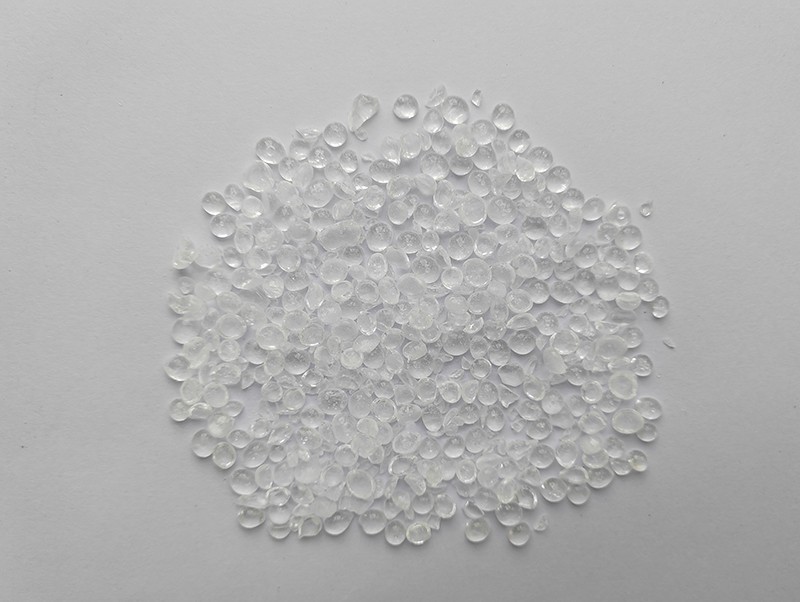
resin glues are a class of adhesives that primarily utilize synthetic resins or modified natural resins as the film-forming and bonding agents. Unlike ordinary glues, certain resin glues form a stable three-dimensional structure upon curing, resulting in superior mechanical strength, water resistance, chemical resistance, and durability.
Common types of resin glues—categorized by their primary resin base—include epoxy, polyurethane, unsaturated polyester, acrylic, and phenolic resins, as well as certain water-based resin glues. Since different types are suited to specific materials and processes, no single resin glue is universally applicable to every bonding scenario.
The resin is the core component of a resin glue. It determines the adhesive's fundamental structure after curing and influences properties such as bond strength, hardness, flexibility, heat resistance, and chemical resistance. For instance, epoxy resin glues typically use epoxy resin as the primary matrix; upon curing, they form a solid material with excellent mechanical and bonding characteristics. Different applications require specific resin types and grades. For high-quality industrial-grade adhesives, the purity, molecular structure, and stability of the resin raw material directly impact the final product's performance.
Some resin glues require the use of a curing agent. Taking two-component epoxy adhesives as an example, Component A typically contains the epoxy resin, while Component B may contain amines or other curing systems. When the two components are mixed in the specified ratio, a chemical reaction occurs, causing the material to gradually transition from a liquid or paste state into a solid with specific strength characteristics.
The type and dosage of the curing agent directly influence the curing speed, curing temperature, final hardness, bond strength, flexibility, and chemical resistance. Therefore, high-quality resin glues require a well-matched combination of resin and curing system.
Not all resins possess sufficient flexibility after curing. While some resin materials offer high hardness and strength, they may exhibit brittleness when subjected to impact or temperature fluctuations.
Consequently, appropriate amounts of toughening agents are added to certain resin glue formulations. Toughening agents enhance the toughness and impact resistance of the cured material, making the adhesive layer less prone to brittle failure under mechanical stress. In industries such as automotive, electronics, machinery, and composites, achieving the right balance of toughness is often just as important as bond strength.
Inorganic or organic fillers are incorporated into some resin glues. Common fillers include silica, calcium carbonate, aluminum oxide, talc, glass microspheres, and other functional powders.
Depending on formulation requirements, fillers can improve rheological properties, dimensional stability, hardness, and thermal conductivity, or help control costs. For instance, some industrial adhesives require specific filling capabilities; fillers assist in adjusting the adhesive's viscosity and application characteristics. However, adding excessive filler is not necessarily beneficial; an improper ratio can actually compromise the adhesive's bonding performance. Thus, high-quality resin glues require a carefully balanced formulation involving the resin, curing agent, and fillers.
Some resin glues require viscosity adjustments during production and application; therefore, reactive diluents or other suitable modifiers may be added to the formulation. Diluents improve the fluidity of the resin glue, making it easier to apply, pour, or penetrate material surfaces. For bonding complex structures or narrow gaps, appropriate flow characteristics are crucial. However, the type and dosage of diluents must be strictly controlled; excessive use can compromise the mechanical properties and durability of the cured adhesive. Consequently, high-quality resin glues typically require a balance between application performance and curing characteristics.
In addition to primary raw materials, small amounts of functional additives may be incorporated into resin glues. Depending on the specific application, these additives can improve properties such as storage stability, leveling, defoaming, curing speed, weather resistance, anti-settling performance, viscosity, and surface characteristics.
For instance, in industrial production, if the adhesive is prone to generating excessive air bubbles—which could compromise the final bond quality—an appropriate defoaming system may be added to the formulation. Functional additives must be carefully selected and balanced to avoid adverse interactions.
The quality of a resin glue depends not only on the raw materials but also on the production process.
The process typically involves the following stages: raw material inspection → batching → mixing → dispersion → vacuum degassing → performance adjustment → filling → finished product inspection.
First, the resin, curing agent, and other raw materials undergo inspection. Next, ingredients are precisely weighed according to the formulation. During mixing, parameters such as temperature, stirring speed, and duration are controlled to ensure uniform dispersion of all components. Some products require vacuum degassing to minimize air bubbles within the adhesive. Finally, the product undergoes testing for viscosity, appearance, curing time, and bonding performance to ensure it meets design specifications.
Evaluating the quality of a resin glue requires looking beyond price or packaging.
(1) Bonding strength: As the primary function of an adhesive is to join different materials, it must demonstrate reliable bonding capability.
(2) Curing performance: Excessively long curing times can reduce production efficiency, whereas curing that is too rapid may limit the available working time for application. (3) Durability: High-quality resin glues must possess properties—such as water, temperature, and chemical resistance or aging resistance—suited to the specific application environment. Additionally, factors such as storage stability, application characteristics, and batch-to-batch consistency must be considered.
Performance requirements for resin glues vary across different sectors:
(1) Wood industry: Emphasis is placed on bonding strength, water resistance, and ease of application.
(2) Metal industry: Strong interfacial bonding capability is usually required, along with a certain degree of temperature and chemical resistance.
(3) Electronics industry: Priority is often given to insulation properties, thermal stability, and low shrinkage characteristics.
(4) Composite materials industry: A balance of bonding strength, toughness, and compatibility with the substrate is required.
(5) Construction industry: Weather resistance, water resistance, and long-term stability are typically the key concerns.
Therefore, when selecting a resin glue, one should first identify the material type and the actual operating environment before determining the appropriate product system.
Even with a high-performance resin glue, incorrect application methods can compromise the final bonding result.
(1) Surfaces to be bonded must be kept clean; dust, oil, and other contaminants that interfere with adhesion must be removed.
(2) For two-component resin glues, the mixing ratio must be strictly controlled according to the product instructions.
(3) Significant deviations in the mixing ratio can lead to incomplete curing or reduced final performance.
(4) Application temperature, humidity, and curing time should be controlled in accordance with product specifications.
(5) For industrial applications, small-scale testing should be conducted prior to full-scale production to verify good compatibility between the resin glue and the substrate.
High-quality resin glues are typically not composed of a single material; rather, they are formulated by scientifically combining a resin matrix, curing agent, toughening agent, fillers, diluents, and functional additives tailored to the specific application. Among these components, the resin determines the adhesive's fundamental properties; the curing agent dictates the curing reaction and final structure; toughening agents enhance impact resistance; fillers adjust specific physical properties; and functional additives optimize storage, application, and performance characteristics.
Truly high-quality resin glues require not only premium raw materials but also sound formulation design, rigorous manufacturing processes, and comprehensive quality control. Selection of the appropriate adhesive product for specific applications must take into account factors such as the materials to be bonded, operating temperatures, humidity levels, mechanical loads, and chemical resistance requirements. As industrial manufacturing evolves toward high performance, sustainability, and precision, resin glues are likewise advancing—trending toward high strength, low VOC emissions, rapid curing, high-temperature resistance, and enhanced environmental friendliness—thereby providing more reliable bonding solutions for sectors such as construction, automotive, electronics, furniture, and composite materials.
 Address:Linzi District,Zibo City,Shandong Province
 E-mail:wanbang@wanbangresin.com
 WhatsApp:+8615053337101
China C5 hydrogenated petroleum resin supplier : Shangdong Wanbang New Materials Co., Ltd.
C5 hydrocarbon resin manufacturer has a wide range of applications, high quality, low price, and multiple uses.Welcome to consult.