 Language


More Language
Language
As concepts regarding green manufacturing, eco-friendly production, and sustainable development gain traction, the application of resin materials across sectors—such as coatings, adhesives, composites, construction materials, automotive manufacturing, electronics, and industrial processing—is evolving. Traditional resins can present issues during production and use, such as volatile organic compound (VOC) emissions, high energy consumption, or reliance on non-renewable raw materials; consequently, environmentally friendly resins are increasingly attracting market attention.
In reality, "environmentally friendly resin" does not refer to a single, specific chemical substance but is a collective term for a class of resin materials characterized by a lower environmental impact. Their raw material compositions can vary significantly depending on the product type and application scenario. Common raw materials include vegetable oils, bio-based alcohols, natural resins, renewable plant resources, low-volatility organic materials, and modified synthetic resin feedstocks. Therefore, determining whether a resin is eco-friendly requires a comprehensive assessment that goes beyond the mere presence of natural ingredients; it must also consider raw material sources, production processes, volatile content, energy consumption, product performance, and environmental impacts during the usage and disposal phases.
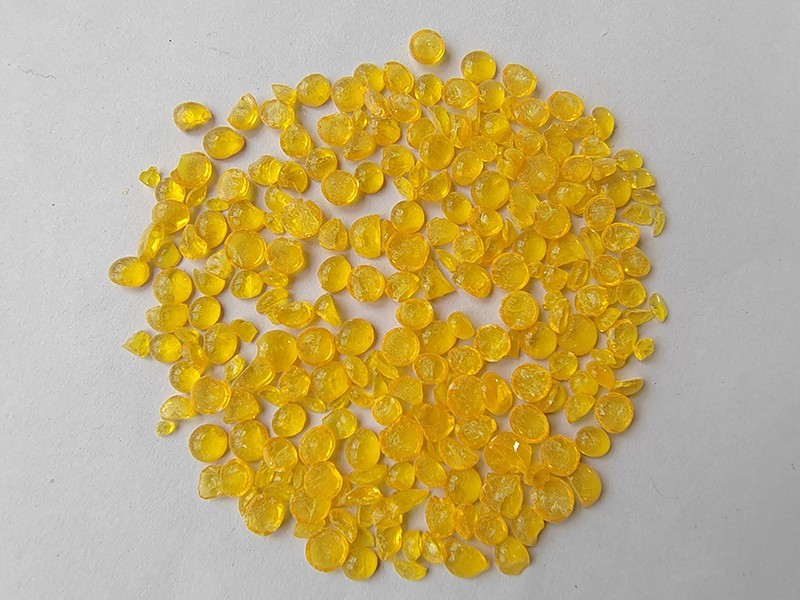
Environmentally friendly resins generally refer to resin materials that have a relatively low environmental impact during raw material selection, manufacturing, usage, or final disposal. While traditional resins rely primarily on petrochemical feedstocks, environmentally friendly resins may incorporate renewable resources or utilize optimized formulations to reduce harmful substances and VOC emissions.
Depending on the technical approach, environmentally friendly resins can include water-borne resins, bio-based resins, low-volatility resins, solvent-free resins, recyclable or biodegradable resins, and low-VOC synthetic resins. Although all these materials fall under the category of environmentally friendly resins, their chemical structures and production methods differ.
Vegetable oils serve as a key source of raw materials for certain bio-based resins. Common examples include soybean oil, linseed oil, castor oil, and oils derived from other plant sources. Through chemical modification, specific components within these oils can participate in resin polymerization reactions, resulting in bio-based resins with specific performance characteristics. Given their diverse sources and renewable nature, vegetable oils hold significant value in the development of eco-friendly materials.
In addition to vegetable oils, certain resins can be modified using plant-derived resources such as lignin, cellulose, and starch. These natural polymer materials are widely available and can serve as substitutes for, or supplements to, petroleum-based raw materials. However, natural raw materials typically require extraction, modification, or compounding to meet industrial standards for strength, heat resistance, water resistance, and stability.
Some environmentally friendly resins utilize bio-based alcohols, organic acids, or other chemicals derived from biological sources. These raw materials can form polymer structures through chemical reactions. For instance, in the production of polyester resins, specific alcohols and acids can be selected based on product requirements to create resins with tailored properties through polymerization.
Water-borne resins represent a significant category of environmentally friendly resins.
Unlike traditional high-solvent resins, water-borne resins use water as the primary dispersion or dilution medium, thereby reducing the reliance on organic solvents. Consequently, they are widely used in applications such as architectural coatings, industrial coatings, wood finishes, and adhesives. It is important to note, however, that "water-borne" does not imply a complete absence of organic compounds; the environmental performance of a specific product must be assessed based on its actual formulation and test results.
Bio-based resins represent a key area of development for environmentally friendly resins. The fundamental approach involves using plants or other renewable resources as partial raw materials. For example, vegetable oils can undergo chemical modification to introduce active groups capable of participating in polymerization. Subsequently, they react with other chemical raw materials to form resins with specific structural and functional properties.
The production process typically includes: raw material selection; raw material pretreatment; chemical modification; polymerization; separation and purification; property adjustment;and final product testing. The resulting resin can be further processed into coatings, adhesives, composite materials, or other industrial products depending on the intended application.
The primary characteristic of water-borne resins is the reduction of traditional organic solvent usage. In conventional solvent-based resins, a portion of the organic solvents evaporates into the air during application and drying. Water-based systems utilize water as the primary dispersion medium, thereby reducing certain VOC emissions. Eco-friendly water-based resins typically feature low VOC content, mild odor, and a more user-friendly application environment; they are suitable for various coating systems and align with green manufacturing requirements. However, water-based resins do impose specific demands regarding production and storage—factors such as temperature, storage stability, and freeze resistance must be taken into account.
This is a common misconception among consumers. environmentally friendly resins are not necessarily composed entirely of natural materials. Some environmentally friendly resins still utilize petrochemical feedstocks but achieve superior environmental performance by optimizing production processes and formulations—such as by lowering VOC levels, reducing hazardous substances, or improving material efficiency.
Therefore, "eco-friendly" and "natural" are not identical concepts.
For instance, a resin might derive only a portion of its raw materials from plants yet exhibit low volatility and excellent durability. Conversely, another product might utilize natural raw materials but require significant energy or chemical processing during production. Thus, a more comprehensive set of criteria should be used to evaluate environmentally friendly resins.
Water-based resins can be used in wall paints, metal coatings, and other architectural finishes.
Certain low-VOC resins are suitable for surface coatings on machinery, metal structures, and industrial components.
environmentally friendly resins can be used for bonding wood, packaging, construction materials, and industrial products.
Some bio-based resins can be combined with materials such as glass fiber or natural fiber to manufacture composites.
environmentally friendly resins are used in automotive interiors, coatings, adhesives, and composite materials.
Certain environmentally friendly resins can be applied in electronic packaging, insulation materials, and structural components.
The development of environmentally friendly resins aims not only to minimize environmental impact but also to meet the performance requirements of modern industry.
First, some environmentally friendly resins help reduce VOC emissions. Second, the use of renewable raw materials decreases reliance on traditional fossil-based resources. Furthermore, through formulation design, modern environmentally friendly resins can simultaneously achieve excellent adhesion, weather resistance, chemical resistance, abrasion resistance, mechanical strength, and processability. This allows environmentally friendly resins to evolve from simple environmentally friendly materials into industrial materials that offer both high performance and environmental benefits.
As global attention toward green manufacturing and low-carbon production continues to grow, environmentally friendly resins hold significant potential for future development.
Future research and development priorities may include: increasing the proportion of bio-based raw materials; reducing VOC emissions; developing water-borne and solvent-free systems;enhancing recyclability; developing biodegradable resins; lowering production energy consumption; and improving the overall performance of the resins. At the same time, production technologies for environmentally friendly resins will place greater emphasis on raw material utilization efficiency and process control. Future environmentally friendly resins will aim for more than just "pollution reduction"; they will also need to achieve more rational resource utilization throughout their entire lifecycle.
environmentally friendly resins do not constitute a single material but rather a broad category of resin products designed with a focus on environmental impact. Depending on the type, raw materials may include vegetable oils, natural plant resources, bio-based alcohols, water, and modified synthetic resin precursors.
Among these, water-borne resins primarily reduce the use of organic solvents by employing water as the dispersion medium, whereas bio-based resins substitute a portion of traditional petroleum-based raw materials with renewable resources such as vegetable oils, lignin, and cellulose. It is important to note that "environmentally friendly resin" does not imply the product is made entirely from natural materials, nor does it mean all such products share the same level of environmental performance. Actual evaluation requires a comprehensive assessment of raw material sources, VOC content, production processes, product performance, and environmental impacts during the usage and disposal phases.
As green manufacturing and sustainable material technologies continue to advance, environmentally friendly resins will play an increasingly important role in sectors such as architectural coatings, industrial coatings, adhesives, composite materials, automotive manufacturing, and electronics.
 Address:Linzi District,Zibo City,Shandong Province
 E-mail:wanbang@wanbangresin.com
 WhatsApp:+8615053337101
China C5 hydrogenated petroleum resin supplier : Shangdong Wanbang New Materials Co., Ltd.
C5 hydrocarbon resin manufacturer has a wide range of applications, high quality, low price, and multiple uses.Welcome to consult.