 Language


More Language
Language
With the continuous development of industries such as petrochemicals, coatings, adhesives, inks, and rubber, petroleum resins have emerged as important functional industrial materials with an increasingly wide range of applications. Among them, C9 hydrocarbon resins constitute a significant category; they are typically produced through polymerization and post-processing using C9 fractions—byproducts of petroleum cracking—as the primary raw material.
C9 petroleum resins possess specific properties regarding tackiness, compatibility, thermal stability, and surface characteristics, allowing them to be incorporated as functional resins into various industrial formulations. Rather than being limited to a single product, they are utilized across diverse manufacturing sectors based on parameters such as softening point, color, molecular structure, and compatibility.
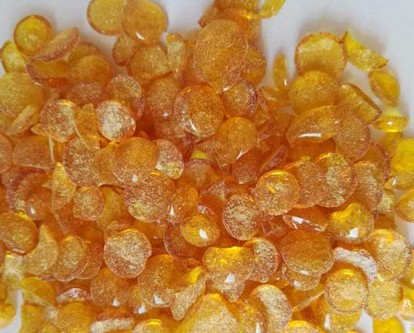
C9 petroleum resin, also known as C9 hydrocarbon resin, is a thermoplastic resin prepared primarily from C9 fractions derived from petroleum cracking.
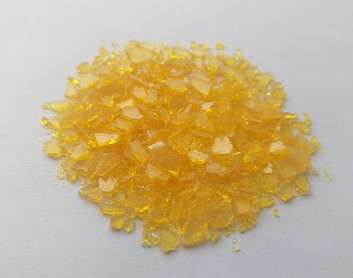
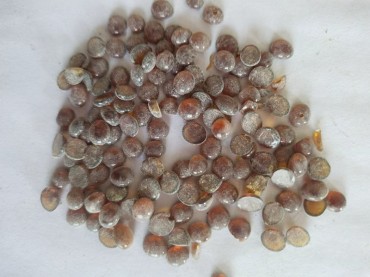
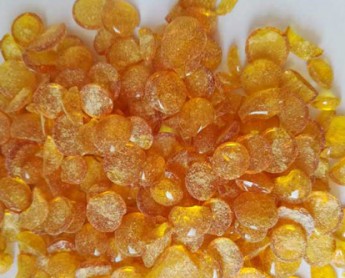
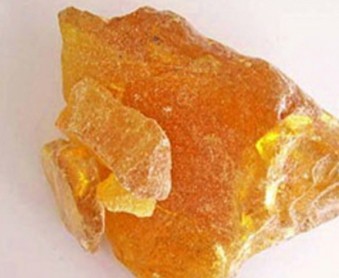
Petrochemical production generates cracking byproducts of varying compositions; the C9 fraction, in particular, can be processed into C9 petroleum resin through separation, pretreatment, and polymerization. The finished product typically appears as a light yellow, yellow, or brownish-yellow solid, with its specific appearance determined by the production process and product grade.
A key characteristic of C9 petroleum resin is its excellent compatibility with organic materials, enabling it to be blended with various synthetic resins, rubbers, solvents, and other additives. Additionally, its tackifying capabilities and thermal stability make it suitable for industrial formulations where improvements in adhesion, gloss, hardness, or processing performance are required.
Adhesives represent one of the most significant application areas for C9 petroleum resins. In adhesive manufacturing, the base polymer typically forms the structural backbone of the adhesive, while tackifying resins enhance the bond between the material and the substrate. Thanks to their tackifying properties, C9 petroleum resins are used in various systems, including hot-melt adhesives, pressure-sensitive adhesives, and industrial adhesives.
Depending on the specific formulation, they can help improve: initial tack; adhesion; wetting properties; processing characteristics; and, to some extent, water resistance. In actual production, C9 resins must be appropriately combined with base polymers, plasticizers, fillers, and other additives.
For instance, different adhesives have varying requirements regarding softening point and compatibility. Insufficient compatibility between the resin and the base polymer can compromise the stability and adhesion of the final product. Consequently, adhesive manufacturers typically conduct experiments to determine the optimal C9 petroleum resin grade and dosage.
The coatings industry is another major application area for C9 petroleum resins. In certain coating systems, the resin serves as a crucial component for film formation. C9 petroleum resins can function as modifying agents or as a constituent within the film-forming system, enhancing specific coating properties based on formulation requirements. Proper use of C9 resins can influence properties such as gloss, hardness, adhesion, drying characteristics, water resistance, and processability.
C9 petroleum resins are particularly valuable in certain industrial coatings, metal coatings, and solvent-based coatings. However, the ultimate performance of a coating is determined by a combination of materials—including base resins, pigments, solvents, fillers, and additives—so the role of C9 petroleum resin must be evaluated within the context of the complete formulation.
Printing inks represent another significant application field for C9 petroleum resins. Inks require good flow, adhesion, drying characteristics, and film-forming capabilities, and resins are a vital component of ink formulations.
C9 petroleum resins can be used in certain solvent-based and industrial printing ink systems. In appropriate formulations, they help improve adhesion to the substrate and influence properties such as gloss, film formation, and processability.
C9 resins can also be used in combination with other resin materials to meet the demands of various printing processes. For example, packaging printing and industrial printing may have different requirements regarding drying speed, adhesion, and surface finish; therefore, the specific resin product must be selected to match the ink system.
Road marking materials represent one of the most typical applications for C9 petroleum resin. Road markings are exposed to outdoor environments for extended periods and are subjected to factors such as vehicular friction, sunlight, rain, and temperature fluctuations. Consequently, marking materials require excellent adhesion, abrasion resistance, and weatherability.
C9 petroleum resin serves as a key resin component in certain hot-melt road marking coatings. Within an appropriate formulation, it helps form a stable coating and influences properties such as adhesion, gloss, hardness, abrasion resistance, and application performance. Since road marking formulations typically include pigments, fillers, and glass beads, the final performance is not determined solely by the C9 resin.
The rubber industry also utilizes petroleum resins as functional additives. In certain rubber formulations, C9 petroleum resin acts as a tackifier and modifier, helping to improve adhesion between the rubber material and other substrates.
For instance, appropriate amounts of C9 petroleum resin can be incorporated into the production formulations of specific rubber products, industrial tapes, and composite rubber materials. It can also influence flow characteristics, hardness, and tackiness during rubber processing.
However, performance requirements vary significantly across different rubber products; formulations for tires, tapes, sealants, and industrial rubber goods differ widely. Therefore, selecting a C9 resin for rubber production requires a comprehensive assessment of the rubber type, processing temperature, compatibility, and the performance requirements of the final product.
Petroleum resins are also used in certain waterproofing and sealing materials. In specific modified bitumens, waterproof coatings, and sealants, C9 petroleum resin serves as a modifying component, working alongside other polymer materials to enhance product performance.
For example, in specific formulations, C9 resin influences properties such as adhesion, softening characteristics, and processability. For construction waterproofing materials, additional factors such as heat resistance, low-temperature performance, aging resistance, and bonding strength with the substrate must also be considered. Therefore, C9 petroleum resins are typically used in conjunction with other polymers, fillers, and additives, rather than serving as the sole functional material.
The suitability of C9 petroleum resins for various industries stems from their comprehensive performance characteristics:
(1) C9 resins exhibit good organic compatibility and can be blended with certain resin and rubber systems.
(2) They possess tackifying properties, making them suitable for use in adhesives and certain rubber products.
(3) C9 resins influence material properties such as gloss, hardness, and processability, making them valuable in the coatings and ink industries.
(4) C9 petroleum resins can be produced in various grades by adjusting manufacturing processes and raw material compositions.
Consequently, enterprises can select resins with specific softening points, colors, and performance metrics based on the requirements of the final product.
C5 resins and C9 resins are two of the most common types of petroleum resins.
C5 petroleum resins are typically derived from C5 aliphatic fractions; they offer excellent tackifying properties and are widely used in applications such as adhesives and rubber.
C9 petroleum resins are primarily derived from C9 aromatic fractions; they generally offer superior hardness, gloss, and thermal stability, making them widely applicable in coatings, inks, road marking paints, and certain adhesive and rubber systems.
There is no simple "which is better" relationship between the two; the choice depends on the specific application. For instance, if a product requires specific tackifying properties, one might prioritize C5 or other suitable resins; conversely, if the formulation requires superior hardness, gloss, or specific compatibility, C9 petroleum resins might be the preferred choice.
When purchasing C9 petroleum resins, one should not rely solely on the product name but should also examine specific technical parameters:
(1) Softening point: This affects the processing and application temperatures of the resin.
(2) Color: This is particularly important for products such as coatings and inks, as color requirements are usually linked to the appearance of the final product.
(3) Acid value: Can be used to evaluate certain chemical properties of the resin.
(4) Compatibility: Determines whether the resin can stably integrate with other materials in the formulation.
(5) Thermal stability: Significant for products requiring heat-based processing.
(6) Solubility: Dissolution capabilities vary depending on the solvent system used.
In addition, small-scale trials or formulation validation based on the intended end-use are necessary.
As the petrochemical and polymer materials industries continue to evolve, C9 hydrocarbon resins will play an ongoing, vital role in sectors such as adhesives, coatings, inks, rubber, and road materials. For manufacturers and purchasers alike, selecting the appropriate C9 resin grade based on the end-use—and verifying performance through actual formulation testing—is key to ensuring product quality and production stability.
 Address:Linzi District,Zibo City,Shandong Province
 E-mail:wanbang@wanbangresin.com
 WhatsApp:+8615053337101
China C5 hydrogenated petroleum resin supplier : Shangdong Wanbang New Materials Co., Ltd.
C5 hydrocarbon resin manufacturer has a wide range of applications, high quality, low price, and multiple uses.Welcome to consult.