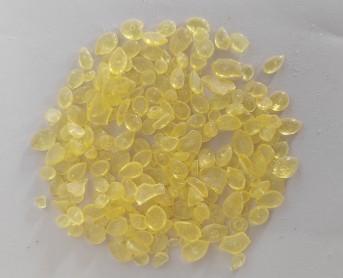
In the field of chemical materials, C5 petroleum resin for hot melt is widely used as an important additive in various industries such as adhesives, coatings, inks, etc. The quality and effectiveness of the final product are directly affected by its performance. Among them, low-temperature toughness, as one of the key indicators for measuring the performance of C5 petroleum resin for hot melt, has attracted much attention from the industry. So, what is the low-temperature toughness of C5 petroleum resin for hot melt agents?
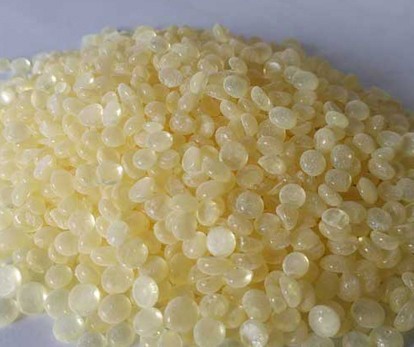
The low-temperature toughness of C5 petroleum resin for hot melts is one of its core properties, which directly affects the bonding reliability and application range of hot melt adhesives in low-temperature environments. The specific manifestations and technical principles are as follows:
1. Definition and indicators of low-temperature toughness
Low temperature toughness refers to the ability of a material to maintain flexibility and fracture resistance under low temperature conditions, usually quantified by the following indicators:
1. Glass transition temperature (Tg): The temperature at which a resin transitions from a highly elastic state to a glassy state. The Tg range of C5 petroleum resin is -20 ℃ to -10 ℃, which is much lower than that of conventional polymers (such as polypropylene with Tg ≈ 0 ℃), ensuring that it can still maintain elasticity in an environment of -15 ℃.
2. Low temperature bending test: After placing the C5 petroleum resin for hot melt sample in an environment of -18 ℃ for 2 hours, the sample is bent at a 180 ° angle without cracks or fractures, and is considered qualified.
3. Impact strength: The ability of resin to absorb impact energy at low temperatures. The impact strength (ASTM D256) of C5 resin can reach 5kJ/m ² at -10 ℃, which is 40% higher than that of ordinary resin.
2. Technical principle of low-temperature toughness
The low-temperature toughness of C5 petroleum resin is attributed to its unique molecular structure and polymerization process
1. Branched molecular structure:
Conjugated dienes such as isopentene and isoprene in the C5 fraction form branched resins through cationic polymerization. The branched structure can reduce the stacking density between molecular chains, decrease the tendency to crystallize at low temperatures, and thus maintain flexibility. For example, for every 10% increase in branching degree, Tg can decrease by 3-5 ℃.
2. Low molecular weight design:
The molecular weight of C5 resin (500-3000) is significantly lower than that of C9 resin (1000-5000). Low molecular weight makes the molecular chain easier to slide, and can still absorb stress through segment movement at low temperatures, avoiding brittle fracture.
3. Rubber blending modification:
In actual hot melt formulations, C5 resin is often blended with SBS (styrene butadiene styrene block copolymer) or SIS (styrene isoprene styrene block copolymer). The rubber phase (polybutadiene segment) of SBS can form a physical cross-linked network at low temperatures, which synergistically enhances toughness with C5 resin. For example, the peel strength of a formula with a carbon five resin ratio of 3:1 only decreased by 15% at -20 ℃, while the pure SBS formula decreased by 30%.
3. The application value of low-temperature toughness
1. Winter packaging field:
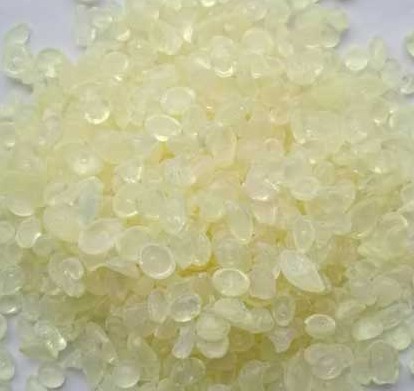
In northern regions, winter temperatures can drop as low as -30 ℃. The cardboard box sealed with special C5 petroleum resin for hot melt based adhesive using hot melt flux can maintain adhesive strength (peel strength ≥ 8N/25mm) in an environment of -25 ℃, avoiding the problem of glue cracking caused by adhesive layer brittleness. The damage rate of packaging boxes using this adhesive decreased from 3% to 0.2% during transportation at -15 ℃.
2. Automotive interior bonding:
The car dashboard, door panels, and other components need to remain stable in a temperature range of -40 ℃ to 85 ℃. The hot melt adhesive blended with C5 resin and SIS meets the automotive grade requirements for adhesive strength (24-hour displacement ≤ 1mm) at -30 ℃, reducing the cost by 40% compared to acrylic adhesive.
3. Polar equipment manufacturing:
In polar scientific research equipment, C5 petroleum resin for hot melt is used to bond cold resistant materials (such as polyurethane foam). Its low-temperature toughness can ensure the structural integrity of the equipment in an environment of -50 ℃, avoiding equipment damage caused by adhesive failure.
4. Methods for optimizing low-temperature toughness
1. Adjust the aggregation process:
By controlling the amount of catalyst and reaction temperature, the branching degree and molecular weight distribution of the C5 petroleum resin for hot melt can be adjusted. For example, reducing the catalyst concentration (from 5% to 3%) can lower the Tg from -15 ℃ to -20 ℃.
2. Add plasticizers:
Adding plasticizers such as dioctyl phthalate (DOP) at a dosage of 5% -10% can further reduce Tg. However, attention should be paid to the impact of plasticizer migration on long-term performance.
3. Nano filler modification:
Adding nano silica (at a dosage of 1% -3%) can form physical crosslinking points, improving toughness while maintaining thermal stability. The impact strength of the resin modified with nano fillers increased by 25% at -25 ℃.
The low-temperature toughness of C5 petroleum resin for hot melt is an important performance indicator. By studying its performance, influencing factors, and improvement methods, we can better utilize and improve this material. With the continuous advancement of chemical technology, it is believed that the low-temperature toughness of C5 petroleum resin for hot melt will be further improved, providing stronger support for the development of related industries and leveraging its unique advantages in a wider range of fields.

 Language


 Address:Linzi District,Zibo City,Shandong Province
 E-mail:wanbang@wanbangresin.com
 WhatsApp:+8615053337101