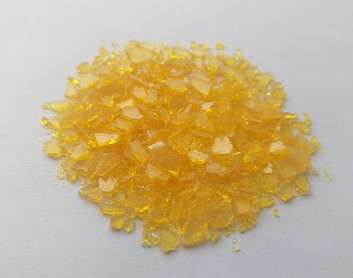
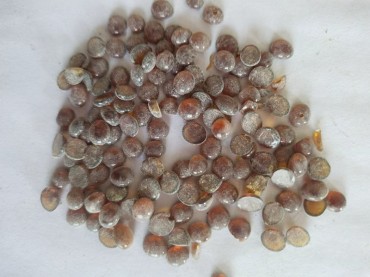
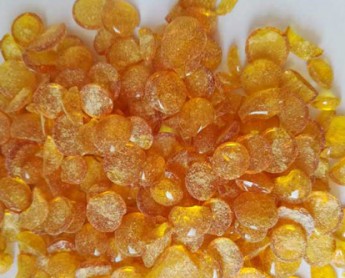
Among the vast family of petroleum resins, c9 petroleum resin (cold polymerization) occupies a place in multiple industrial fields due to its unique properties. However, for many people who pay attention to and use it, a key question always lingers: what is the melting point of c9 petroleum resin (cold polymerization)? This seemingly simple numerical value actually has a profound impact on the processing, application, and performance of products. Let's uncover this mystery together.
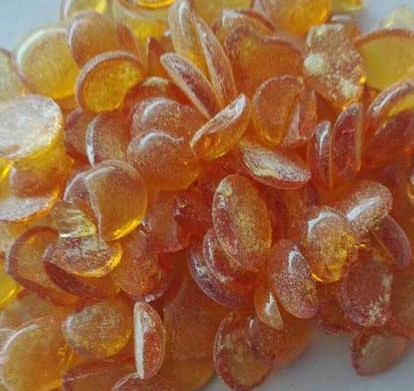
1. Melting point range and core influencing factors
The melting point of c9 petroleum resin (cold polymerization) is usually between 80 ℃ and 120 ℃, depending on the following key factors:
Raw material composition: The composition ratio of C9 fraction (mainly containing unsaturated hydrocarbons such as styrene, indene, methyl styrene, etc.) directly affects the resin structure. If the content of bicyclic aromatic hydrocarbons in the raw material is high, the rigidity of the resin molecular chain may be enhanced, and the melting point may rise above 110 ℃; On the contrary, when the proportion of monocyclic aromatic hydrocarbons is high, the melting point may be lower than 90 ℃.
Aggregation process: The cold polymerization process triggers polymerization at low temperatures (usually ≤ 50 ℃), resulting in slow chain growth and the formation of more branched structures. The intermolecular forces between resin molecules with high branching degree weaken, and the melting point is usually lower than that of thermal polymerization type (the melting point of thermal polymerization can reach over 130 ℃).
Molecular weight distribution: The molecular weight distribution of c9 petroleum resin is relatively wide (number average molecular weight Mn is usually between 500-2000), and when the proportion of low molecular weight components is high, the melting point will shift towards the low temperature range; If the proportion of high molecular weight components is increased by controlling the reaction conditions (such as catalyst dosage and reaction time), the melting point may rise to around 115 ℃.
Effects of additives: To improve resin performance, hydrogenation agents, stabilizers, etc. may be added during production. For example, partial hydrogenation treatment can reduce resin unsaturation and improve thermal stability, but may slightly lower the melting point (about 2-5 ℃).
2. The Influence of Melting Point on Application Performance
The melting point directly affects the processing and performance of c9 petroleum resin (cold polymerization):
In the field of hot melt adhesive, a low melting point may lead to excessive colloidal fluidity and a decrease in adhesive strength; If the melting point is too high, the processing temperature needs to be increased, which increases energy consumption. c9 petroleum resin (cold polymerization) is commonly used for bonding temperature sensitive packaging materials due to its moderate melting point (90-110 ℃).
Rubber toughening: In rubber products such as tires, the melting point needs to match the vulcanization temperature of the rubber. The melting point range of c9 petroleum resin (cold polymerization) can cover most rubber vulcanization temperatures (140-160 ℃), but the dispersibility of the resin in rubber needs to be controlled by adjusting the formula.
Coatings and inks: The melting point affects the solubility and film-forming properties of resins. c9 petroleum resin (cold polymerization) has a high branching structure, low melting point, and is more soluble in organic solvents, making it suitable for rapid drying coating formulations.
3. Melting point testing method
Melting point determination is usually carried out using differential scanning calorimetry (DSC), scanning the sample at a heating rate of 5-10 ℃/min and recording the temperature corresponding to the endothermic peak. It should be noted that c9 petroleum resin may contain trace amounts of oligomers or residual monomers, leading to broadening of the melting peak. In this case, the peak temperature should be taken as the reference value for the melting point.
With the continuous advancement of chemical technology, the production process of c9 petroleum resin (cold polymerization) is expected to be further optimized, and the stability and controllability of its melting point will also be improved. We look forward to researchers exploring more precise melting point control methods, paving the way for the application of c9 petroleum resin (cold polymerization) in more high-end fields, and promoting the development of the entire industry towards higher quality.

 Language


 Address:Linzi District,Zibo City,Shandong Province
 E-mail:wanbang@wanbangresin.com
 WhatsApp:+8615053337101