 Language


More Language
Language
With the continuous development of industries such as adhesives, road marking paints, rubber products, packaging materials, and construction materials, C5 hydrocarbon resins—a key type of petroleum resin—have increasingly become a common functional raw material in industrial production. They offer excellent tackifying properties, good compatibility, as well as a degree of water resistance and processing adaptability, helping to improve the bonding, application characteristics, and overall performance of various products. Consequently, C5 hydrocarbon resins are widely used in hot-melt adhesives, pressure-sensitive adhesives, road marking paints, rubber processing, and other industrial sectors.
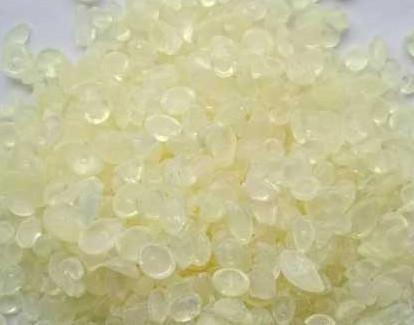
C5 hydrocarbon resins, also known as C5 petroleum resins, are thermoplastic resins produced through the polymerization and subsequent processing of C5 fractions—byproducts derived from the petroleum cracking process. Their specific composition and properties depend on the raw material source, production process, and product formulation.
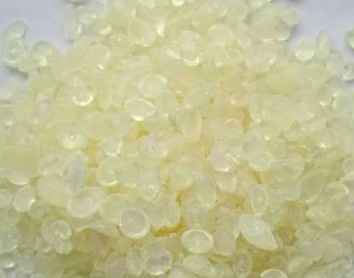
C5 hydrocarbon resins typically appear as light yellow to yellowish-brown solids; some products can be further processed to achieve a lighter color. Generally, they possess strong tackifying capabilities and can be combined with various synthetic rubbers, elastomers, waxes, and other polymers, serving frequently as tackifiers or formulation modifiers. It is important to note that C5 hydrocarbon resins do not refer to a single chemical substance, but rather a category of resin products with varying specifications and properties. Products from different manufacturers may differ in terms of softening point, color, molecular weight distribution, odor, compatibility, and thermal stability. When sourcing these materials, it is advisable to consult technical data sheets and conduct practical application testing.
Compared to C9 petroleum resins, C5 hydrocarbon resins are generally more focused on applications requiring tackification and flexibility, making them particularly well-suited for hot-melt adhesives, pressure-sensitive adhesives, and rubber formulations. C9 resins, by contrast, are more commonly used in coatings, inks, and other systems that require specific aromatic structures and greater hardness. However, this distinction is not absolute; actual performance depends on the resin grade, modification method, and other components within the formulation.
Hot-melt adhesives represent one of the most significant application areas for C5 hydrocarbon resins. Typically, these adhesives are melted by heat, applied to the surfaces of the materials to be bonded, and then form a bond upon cooling. To achieve desirable initial tack, peel strength, and application characteristics, appropriate tackifying resins are generally incorporated during the manufacturing process. C5 hydrocarbon resins enhance the wetting ability of hot-melt adhesives on various substrates, facilitating more thorough contact with the material surfaces and thereby improving bonding performance. Within an optimized formulation, these resins can also be used to adjust the adhesive’s flow properties, open time, and overall bonding characteristics.
In the packaging industry, C5 hydrocarbon resins are utilized for applications such as carton sealing, box assembly, paper product processing, and the production of certain composite packaging materials. For high-speed packaging lines, adhesives must be applied and form a bond within a very short timeframe, while maintaining consistent bond strength. Selecting the appropriate C5 resin helps ensure that the formulation meets these requirements.
In furniture manufacturing and wood processing, C5 hydrocarbon resins are employed in various hot-melt adhesive systems—for instance, in edge banding, component assembly, and other processes that require rapid bonding. In practical applications, the adhesive must balance initial tack, heat resistance, and long-term stability; therefore, the final performance cannot be judged solely by the resin’s tackifying capacity.
Furthermore, C5 hydrocarbon resins are used in hot-melt adhesives for hygiene products, such as structural and elastic adhesives for diapers, sanitary napkins, and other disposable hygiene items. Such applications typically entail stringent requirements regarding odor, color, thermal stability, and regulatory safety compliance; consequently, the specific resin grade chosen must align with the relevant standards for the intended end-use.
Pressure-sensitive adhesives (PSAs) are a class of adhesives that form a bond with a substrate under light pressure. They are widely used in products such as adhesive tapes, labels, stickers, and protective films. PSAs must possess good initial tack, while also maintaining appropriate cohesive strength (holding power) and peel performance during use. C5 hydrocarbon resins serve as tackifying components in PSA formulations; when combined with rubber, elastomers, or other polymers, they help tune the adhesive’s bonding performance. In rubber-based PSAs, the right choice of resin can improve the adhesive’s ability to wet surfaces such as paper, plastic film, metal, or other substrates.
In the production of packaging tapes, C5 hydrocarbon resins help enhance initial tack, allowing the tape to form a stable bond quickly upon application. For labels and self-adhesive materials, the selection of a resin must balance initial tack, peel strength, cohesive strength, and storage stability.
However, a stronger bond is not always better for PSAs. For instance, removable labels must minimize adhesive residue or damage to the substrate while still functioning effectively, whereas permanent labels may prioritize long-term bond strength and environmental resistance. Consequently, the dosage and specific grade of C5 hydrocarbon resin must be adjusted based on the adhesive system and the intended end-use. The suitability of C5 hydrocarbon resins varies across different systems, such as water-based PSAs or acrylic-based PSAs. Some resins may require emulsification, modification, or other treatments to be compatible with specific systems. Manufacturers should determine the appropriate resin grade based on compatibility data provided by suppliers and results from formulation testing; it should not be assumed that all C5 resins are universally suitable for every type of PSA.
Road marking is another significant application for C5 hydrocarbon resins. Road marking paints are designed to create clear, durable, and robust markings on road surfaces. They are widely used on highways, urban roads, in parking lots, at airports, and across other transportation infrastructure.
In certain hot-melt road marking paints, C5 hydrocarbon resins serve as film-forming and adhesive components, facilitating a stable bond between the paint and the road surface. These resins influence key properties such as the paint’s softening characteristics, flowability during application, adhesion, and overall durability.
Hot-melt road marking paints typically require heating to a specific temperature to achieve the proper consistency for application, after which they are applied to the road surface using specialized equipment. As the paint cools, it solidifies into a marking of a specific thickness. The use of an appropriate C5 resin ensures that the formulation meets both application and performance requirements.
In real-world road environments, markings must withstand various stressors, including vehicle traffic, temperature fluctuations, precipitation, ultraviolet (UV) radiation, and surface contaminants. Consequently, when selecting a C5 hydrocarbon resin, it is essential to consider factors such as its softening point, color stability, thermal stability, and compatibility with other raw materials. The optimal resin for a given application should be determined through formulation testing and field trials, accounting for specific climatic conditions and road surface characteristics.
C5 hydrocarbon resins are also utilized in rubber processing as tackifiers or formulation modifiers. Certain rubber compounding and molding processes require materials to possess a specific level of tackiness—ensuring that different rubber components remain securely in place during assembly, or improving the processability of unvulcanized rubber. In the production of tires, rubber belts, rubber sheets, and various industrial rubber products, tackifying resins are often employed to enhance the adhesion between rubber compounds. For rubber products that feature multi-layer structures or require continuous processing, appropriate tackiness helps minimize the risk of delamination or misalignment during manufacturing.
C5 hydrocarbon resins may also be used in the production of certain synthetic rubber goods and rubber-based adhesives. It can influence the tack, flexibility, and processability of rubber compounds; however, the specific effect depends on the type of rubber, the formulation, mixing conditions, and subsequent processing steps.
In the modern packaging industry, substrates such as paper, plastic films, and composite materials often require adhesives for bonding. C5 hydrocarbon resins can be incorporated into certain packaging adhesive formulations to enhance bonding performance and improve the stability of the production process.
For instance, in the processing of paper products, adhesives must be compatible with the absorbency and roughness of the paper surface; in applications involving the bonding of plastic films, the adhesive layer must provide both effective wetting of the substrate and reliable bond retention. By adjusting the tackifying properties of a formulation, C5 hydrocarbon resins can provide suitable bonding solutions for a variety of packaging materials.
As packaging products trend toward being more lightweight, efficient, and functional, adhesive manufacturers are placing greater emphasis on the color, odor, thermal stability, and compatibility of resins with other components. For specialized applications—such as packaging intended for food contact—it is essential to verify that the entire material and adhesive system complies with the regulatory requirements of the target market; suitability cannot be determined solely based on the name or general properties of a C5 hydrocarbon resin.
Beyond their use in hot-melt adhesives, pressure-sensitive adhesives, road-marking paints, and rubber processing, C5 hydrocarbon resins are also utilized in various other industrial formulations, depending on the specific product grade and the composition of the system.
In certain sealants and industrial adhesives, C5 hydrocarbon resins are used to adjust bonding performance and processing characteristics. In specific polymer-modification systems, they may also serve as auxiliary resins to improve material wetting, adhesion, or processability.
In some construction materials and waterproofing products, these resins may be employed in adhesives, sealant formulations, or other materials that require enhanced tackiness. However, different construction products have varying requirements for heat resistance, water resistance, weather resistance, and long-term stability; therefore, it is essential to verify the compatibility of the resin with the base polymer, fillers, and other additives.
Furthermore, certain specialized formulations may utilize petroleum resins that have undergone hydrogenation, modification, or other treatments to meet more stringent requirements regarding color, odor, stability, or compatibility. It should be noted that the specific application scope for these products must be determined based on the manufacturer’s technical documentation; standard C5 hydrocarbon resins should not be considered identical to these modified resins.
C5 hydrocarbon resins are frequently used in formulations where enhanced adhesion is required. When combined with base polymers and other components, they can improve the initial tack of adhesives and their wetting performance on substrates. The specific tackifying effect depends on the resin grade, dosage, and the overall formulation.
Many C5 resins are compatible with a wide range of rubbers, elastomers, and waxes. However, compatibility varies depending on the material; therefore, the compatibility between the resin and the target polymer should be verified prior to use.
The softening point is a critical parameter when selecting a C5 hydrocarbon resin. Products with different softening points are suited to various processing temperatures, application conditions, and end-use performance requirements. Selection should be based on the specific production process, rather than simply opting for a higher or lower softening point.
There can be significant differences between various C5 resins in terms of color and stability when exposed to heat. For light-colored adhesives, products with high aesthetic requirements, or processes involving prolonged heating, particular attention should be paid to color specifications, thermal stability, and odor characteristics.
An appropriate resin can help adhesive and coating formulations achieve target viscosity, wetting, and application performance, thereby enhancing the controllability of the production process. Nevertheless, the actual performance must always be verified through formulation trials and production testing. C5 hydrocarbon resins are a type of petroleum resin with broad industrial utility. They are primarily used in hot-melt adhesives, pressure-sensitive adhesives, road-marking paints, and rubber processing, while also finding applications in certain packaging adhesives, composite materials, and other industrial formulations. Their core value lies in their ability to adjust the tackiness, wetting properties, and processing characteristics of products, thereby meeting the specific requirements of various manufacturing processes.
However, there is no single, universal specification for C5 hydrocarbon resins that applies to every industry. Different applications impose distinct requirements regarding softening point, color, compatibility, thermal stability, and the performance of the final product. When sourcing these resins, companies should conduct a comprehensive evaluation based on the intended use, technical data, formulation testing, and the support provided by the supplier.
For manufacturing enterprises seeking to optimize production costs and enhance product quality, selecting the right C5 hydrocarbon resin can improve raw material efficiency while boosting the stability and market competitiveness of the final product. As the adhesive, road-material, and rubber industries continue to evolve, C5 hydrocarbon resins will remain a vital component in a wide range of industrial formulations.
 Address:Linzi District,Zibo City,Shandong Province
 E-mail:wanbang@wanbangresin.com
 WhatsApp:+8615053337101
China C5 hydrogenated petroleum resin supplier : Shangdong Wanbang New Materials Co., Ltd.
C5 hydrocarbon resin manufacturer has a wide range of applications, high quality, low price, and multiple uses.Welcome to consult.