 Language


More Language
Language
With the continuous development of industries such as coatings, plastics, construction materials, adhesives, and industrial manufacturing, resin materials play an increasingly vital role in modern production. White resin, in particular, is utilized across a wide range of industrial products and processing sectors due to its light color, formulation versatility, and ability to exhibit varying properties based on chemical composition. It can serve as the primary film-forming or binding agent in certain products or act as a functional component within a formulation to enhance the product's appearance, processability, or performance in use.
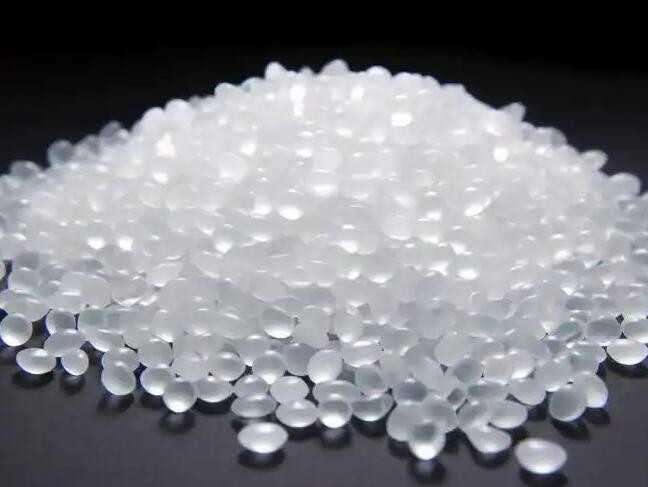
"White resin" is a general term for resin materials that appear white, off-white, or light-colored; it does not refer to a single, specific chemical substance. Since different manufacturers may use the term to describe various resin types, formulation systems, and intended applications, one cannot determine the chemical composition or properties based solely on the name.
Depending on the specific product type, white resins may include acrylic, epoxy, polyurethane, and polyester resins, as well as certain natural or modified resins and other light-colored resins designed for specific processing applications. These products are supplied in various forms—such as emulsions, solid granules, powders, flakes, or viscous liquids—with different forms suited to different production processes.
The white color may stem from the raw materials themselves, the polymerization process, the formulation design, or the inclusion of pigments and other additives. While a light-colored appearance can facilitate the production of white, light-colored, or highly transparent end products, the resin's color does not directly determine its weather resistance, adhesion, hardness, or chemical resistance.
The coatings industry is a major application sector for resins. Resins are typically key ingredients in coating formulations, influencing properties such as film formation, adhesion, flexibility, hardness, and durability. In certain white or light-colored coating systems, the use of lighter-colored resin raw materials helps minimize the impact of the resin's inherent color on the final product's appearance, making it easier for formulators to control the coating's color.
For instance, white or light-colored resins suitable for specific formulation systems can be used in architectural coatings, industrial coatings, wood coatings, and metal surface coatings. Different resin types offer varying performance characteristics; therefore, the choice for a specific application depends on the coating's application method, service environment, and performance requirements.
For outdoor coatings, factors such as UV stability, water resistance, weatherability, and long-term adhesion must also be considered. A lighter color does not necessarily imply superior weatherability; specific performance attributes must be verified through technical data and test results.
Certain white resins can be used in the production of plastic products or polymer materials, with specific applications determined by the resin type and processing method. In some formulations, the resin serves as a matrix material, a modifying component, or an auxiliary material to help meet product requirements regarding appearance, mechanical properties, or processability.
For example, specific resins are used in plastic components, decorative items, composite materials, and industrial plastic formulations. For plastic products requiring a white or light-colored appearance, the raw material's inherent color affects the final product's color gamut; consequently, color stability may be a key factor during procurement.
However, not all white resins are suitable for direct use in plastic injection molding, extrusion, or other thermal processing methods. Resins differ significantly in terms of melting behavior, thermal stability, viscosity, and compatibility. Before use, it is essential to verify the material's suitability for the intended processing equipment and production conditions.
Resin materials play a vital role in adhesive formulations. Certain white or light-colored resins can serve as bonding components or modifying agents to meet specific product requirements regarding initial tack, curing characteristics, flexibility, and durability. In sectors such as packaging, wood processing, furniture manufacturing, architectural decoration, and certain industrial assembly applications, various types of resins are used to produce corresponding adhesive products. For bonding areas that require a light-colored appearance, low-color resins can help minimize the impact of the adhesive layer on the final product's aesthetics.
However, adhesive performance is not determined solely by the resin; it is also influenced by curing agents, fillers, plasticizers, solvents, and other additives, as well as substrate surface conditions and application parameters. Therefore, when selecting a white resin, one must evaluate its compatibility with the entire formulation system rather than focusing exclusively on color.
In certain inks and printing materials, resins influence pigment dispersion, film formation, adhesion, gloss, and the properties of the dried coating. For white, light-colored, or transparent ink systems, the inherent color of the resin can affect the final color appearance.
Certain light-colored resins are suitable for ink formulations designed for specific printing processes, such as packaging printing, label printing, or other industrial printing applications. However, different printing technologies impose varying requirements on resins, including substrate adhesion, drying speed, flexibility, and abrasion resistance.
Consequently, ink manufacturers typically need to validate formulations based on printing equipment, substrate types, and end-use applications. For food packaging or other applications subject to specific regulations, it is also essential to verify compliance with applicable standards; safety cannot be determined based on resin color alone.
In interior decoration and certain architectural coating systems, suitable light-colored resins can be used to formulate white or light-colored paints. Resins influence coating properties such as adhesion, scrub resistance, flexibility, and application characteristics. Resin systems vary across different types of architectural coatings; for instance, water-based acrylic systems differ from epoxy and polyurethane systems in terms of film-forming mechanisms, curing conditions, and suitable application environments. Manufacturers should select suitable resins based on wall materials, construction conditions, and the expected service life.
At the same time, the hiding power of a coating also depends on factors such as pigments (e.g., titanium dioxide), fillers, formulation ratios, and film thickness; one cannot rely solely on a white resin to achieve the desired hiding effect.
Certain epoxy resins, polyurethane resins, and other light-colored resin systems can be used in specific industrial flooring and protective coating products. Depending on the specific formulation, they can provide properties such as surface film formation, adhesion, abrasion resistance, or chemical resistance. In factories, warehouses, commercial buildings, and other industrial sites, floor coatings must withstand foot traffic, equipment movement, and varying degrees of chemical or mechanical stress. Therefore, the choice of resin should align with the flooring substrate, environmental temperature and humidity, load conditions, and cleaning requirements.
It should be noted that a white or light-colored appearance does not indicate superior abrasion or corrosion resistance. Such properties must be verified through product specifications, formulation design, and appropriate testing.
Certain resins can serve as sealants, joint fillers, or components of composite formulations used for specific construction joints, equipment connections, and other applications requiring bonding or filling. Different sealing materials have varying requirements regarding elasticity, elongation, water resistance, and substrate adhesion. Resins suitable for rigid bonding may not be appropriate for joints subject to long-term deformation; therefore, the suitable product system should be selected based on the specific application.
Wood processing and furniture manufacturing involve surface coating, panel bonding, decorative materials, and the production of composite structures. Certain white or light-colored resins can be used in the associated coating, adhesive, and composite material systems. In wood coating applications, lighter-colored resins can help control the coating's color—particularly for white furniture, light-colored wood, or products where the appearance of the substrate needs to be preserved. However, the final color of the coating is also influenced by factors such as pigments, the natural color of the wood, coating thickness, and aging conditions.
In furniture bonding and panel processing, suitable resins can be used to formulate specific types of adhesives. Their actual performance depends on the resin type, curing conditions, substrate moisture content, and processing techniques. For furniture surface coatings, key considerations include scratch resistance, stain resistance, gloss, hardness, and long-term color stability. When sourcing materials, suppliers should be asked to provide technical data relevant to the intended application, and necessary testing should be conducted prior to full-scale production.
Composite materials typically consist of a resin matrix combined with fibers, mineral fillers, or other reinforcing materials. The resin binds the various components together and influences the composite's molding process, mechanical properties, and environmental durability.
In the production of certain composites, light-colored resins may be used for products with specific aesthetic requirements or for particular molding, casting, and surface-forming processes. Depending on the specific system, these resins may be used in decorative panels, industrial components, molded parts, and other composite structures.
Composite performance is influenced by numerous factors, including the chemical type of the resin, the nature of the reinforcement, the fiber-to-resin ratio, the degree of cure, and the molding process. White resins do not necessarily offer higher strength than dark-colored resins; final performance must be evaluated based on the overall material system.
For composites subjected to long-term loads, temperature fluctuations, or outdoor environments, factors such as aging, water absorption, thermal expansion, and interfacial bonding must also be considered.
(1) During storage, materials should be managed in accordance with the conditions specified on the product label and Safety Data Sheet (SDS). Avoid exceeding recommended temperature ranges and take measures to prevent moisture ingress, contamination, or packaging damage. Products requiring protection from light or airtight storage must be handled according to the manufacturer's specific instructions.
(2) During processing, ensure that production equipment, mixing conditions, and curing methods are compatible with the selected resin. Personnel should select necessary personal protective measures based on the Safety Data Sheet (SDS) and ensure adequate ventilation in the work area.
(3) If the resin requires mixing with a curing agent or other chemicals, the specified mixing ratios and operating procedures must be strictly followed; unauthorized changes to the formulation must be avoided. Different resins possess distinct reaction characteristics; therefore, operating methods applicable to one product cannot be directly applied to another.
(4) The disposal of waste resin, cleaning agents, and residual packaging must comply with local environmental protection and chemical management regulations. For products with unknown compositions or unverified applications, technical data should be obtained from the supplier before deciding whether to proceed with production.
White resins are a category of resin materials characterized primarily by their light-colored appearance, though their specific chemical compositions and functions may vary by product type. Depending on their formulation and technical properties, white resins are used in applications such as paints and surface coatings, plastics processing, adhesives, inks, construction materials, wood processing, furniture manufacturing, and composite materials. Consequently, when purchasing white resins, the specific application should first be clearly defined; subsequently, a suitable product should be selected based on technical specifications, color stability, compatibility, safety data, and quality certification. Through standardized material screening and production testing, enterprises can better control product quality and enhance the practical value of resin materials in production.
 Address:Linzi District,Zibo City,Shandong Province
 E-mail:wanbang@wanbangresin.com
 WhatsApp:+8615053337101
China C5 hydrogenated petroleum resin supplier : Shangdong Wanbang New Materials Co., Ltd.
C5 hydrocarbon resin manufacturer has a wide range of applications, high quality, low price, and multiple uses.Welcome to consult.