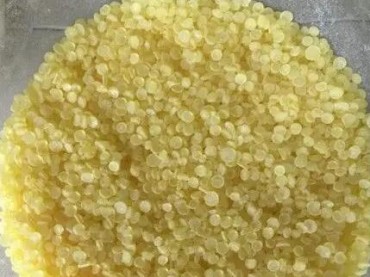
As the"silent guide"for traffic travel,the clarity and durability of road signs are directly related to road traffic safety.The core that supports the long-term effectiveness of road sign paint is the resin component in it—it is like the"skeleton"of the paint,determining the key performance of the marking such as adhesion,wear resistance,and weather resistance.Many engineering procurement and construction personnel often focus on color and reflectivity when choosing road sign paint,but ignore the importance of resin as the core raw material,which ultimately leads to problems such as cracking,peeling,and fading of the marking in a short period of time,increasing maintenance costs.This article will detailedly explain the definition,types,and scientific purchasing methods of Road sign paint resin,helping everyone avoid purchasing misunderstandings and choose high-quality products suitable for the scene.
I.Understand Road Sign Paint Resin:Definition and Core Functions
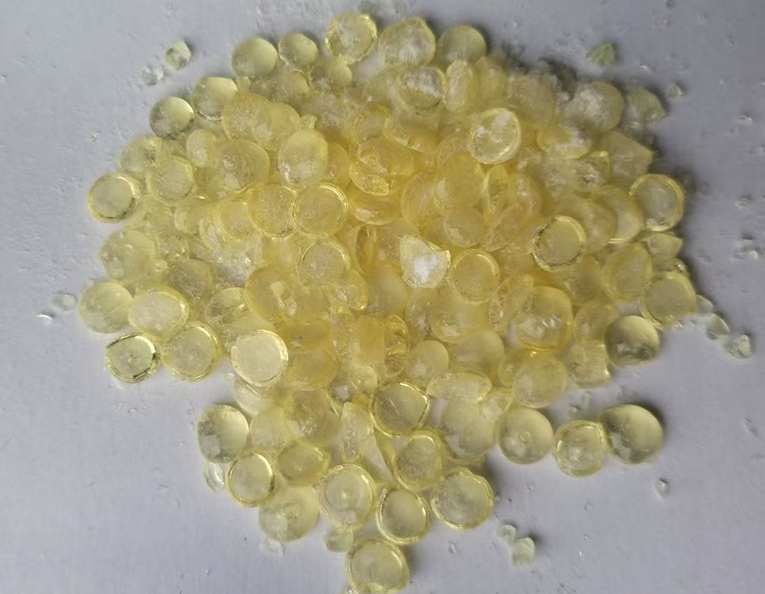
Road sign paint resin is a key polymer material that plays a film-forming and bonding role in road sign coatings,and is also the core binder of the coating.Through its own polymerization reaction,it firmly bonds pigments(such as titanium dioxide),glass beads,additives and other components together,forming a uniform,dense and firm marking film on the road surface.Simply put,the quality of the resin directly determines the"service life"and"performance"of road markings,and its core functions are mainly reflected in three aspects:
-Bonding and Fixing:It closely combines functional components such as pigments(such as titanium dioxide)and reflective glass beads,and at the same time firmly adheres to road substrates such as asphalt and cement,avoiding peeling and falling off of the marking.
-Film-forming Protection:It forms a continuous and tough paint film,resists the erosion of external environments such as vehicle rolling,rain washing,ultraviolet radiation,and high and low temperature changes,and prevents the marking from fading,cracking and wearing.
-Adaptive Function:Different types of resins can endow the marking with different characteristics,such as fast drying,high reflectivity,and skid resistance,to meet the use needs of different scenes such as expressways,municipal roads,and school surroundings.
Different from ordinary architectural paint resins,Road sign paint resin needs to have stronger weather resistance,wear resistance and adhesion—after all,road markings are exposed outdoors for a long time,subject to the test of high-frequency vehicle rolling and extreme weather(high-temperature exposure,low-temperature freezing,heavy rain washing),and need to remain clearly visible for a long time,which puts extremely high requirements on the performance of the resin.
II.Main Types and Characteristics of Road Sign Paint Resin
At present,according to the construction process and performance requirements,the mainstream types of Road sign paint resin on the market can be divided into four categories.The characteristics and applicable scenarios of each type of resin are significantly different,and clarifying their differences is the basis for purchasing.Combined with industry data and application practices,the detailed information of each type of resin is as follows:
(I)C5/C9 Petroleum Resin:Core Choice for Hot-melt Sign Paint
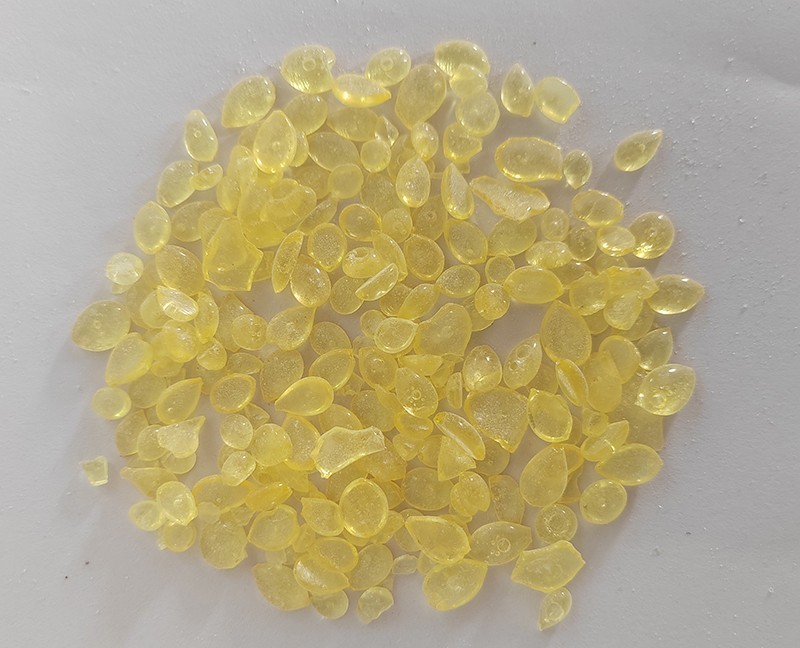
C5/C9 petroleum resin is the main film-forming substance of hot-melt road sign paint,and is also the mainstream resin type in the domestic road sign paint market—by 2023,hot-melt sign paint accounts for 61.7%of the domestic market share,and its core advantages are derived from the characteristics of petroleum resin.This type of resin is polymerized from petroleum cracking products,and is divided into three categories:C5 aliphatic petroleum resin,C9 aromatic petroleum resin and C5/C9 copolymer resin.
Core characteristics:High softening point(usually 80-120℃),good fluidity after high-temperature melting,convenient construction,extremely strong wear resistance after film formation,and service life of 24-36 months;good compatibility with glass beads,which can effectively fix reflective particles and ensure the night reflective performance of the marking;relatively moderate cost and outstanding cost performance.Among them,C5/C9 copolymer resin has stronger UV aging resistance due to containing≥35%aromatic structure,and the color differenceΔE in QUV aging test is only 2.1,which is significantly better than the single aliphatic system.
Applicable scenarios:High-traffic,high-rolling frequency sections such as expressways and urban main roads,and it is also the most widely used resin type in current road marking construction,especially suitable for cold areas in the north,which can achieve the low-temperature crack resistance requirement of elongation at break≥15%at−30℃.
(II)Acrylic Resin:Core Raw Material for Water-based/Solvent-based Sign Paint
Acrylic resin is divided into solvent-based and water-based types,corresponding to solvent-based and water-based road sign paints respectively.It is the core resin choice for environmentally friendly markings,and its market penetration rate has continued to increase in recent years with the advancement of the"double carbon"strategy.Among them,solvent-based acrylic resin is made of acrylic resin or chlorinated rubber as the base material,supplemented by organic solvents;water-based acrylic resin uses water as the dispersion medium,with VOC content lower than 50g/L,which meets environmental protection standards.
Core characteristics:Solvent-based acrylic resin is convenient for construction and has excellent initial reflective performance,but its VOC emission is relatively high,and it has been listed as a restricted product,with its market share dropping to 12.3%in 2023;water-based acrylic resin is environmentally friendly,pollution-free,low-odor,and safe for construction,suitable for areas with high environmental protection requirements,but its water resistance and wear resistance are slightly inferior to petroleum resin,and it is prone to foaming,peeling and other problems in rainy areas in the south or cold areas in the north.At present,leading enterprises have developed modified water-based polyurethane composite systems to significantly improve their durability.
Applicable scenarios:Solvent-based acrylic resin is suitable for low-to-medium traffic rural roads and temporary markings;water-based acrylic resin is suitable for municipal roads,school surroundings,residential areas,ecologically sensitive areas and other scenarios with high environmental protection requirements.Its market penetration rate has increased to 18.5%in 2023,with a compound annual growth rate of 14.2%.
(III)Two-component Resin:Preferred for High-performance Scenarios
Two-component resin is mainly used for two-component road sign paint.It is mixed on-site by the main agent(containing active resin)and curing agent,and forms a film through chemical cross-linking reaction.The core technical routes include methyl methacrylate(MMA)system and epoxy system,among which the MMA system is more favored due to its fast drying and strong weather resistance.
Core characteristics:No solvent,VOC close to zero,outstanding environmental protection;extremely strong adhesion after film formation,and its chemical resistance,wear resistance and weather resistance are all better than other types of resins,with a service life of more than 48 months,even 5-8 years;fast drying speed,and it can be opened to traffic in 15-30 minutes,suitable for scenarios with high requirements on construction efficiency and durability.Its disadvantage is that the unit price is relatively high,about 2.3 times that of hot-melt type,but the whole life cycle cost performance is outstanding.
Applicable scenarios:Special scenarios such as bridges,tunnels,airport runways,and expressway reconstruction and expansion,as well as sections with extremely high requirements on marking service life.Its market share was 7.5%in 2023,and it is expected to exceed 12%in 2026,making it the most promising segment.
(IV)Rosin-modified Resin:Auxiliary Reinforcing Resin
Rosin-modified resin is made of natural resin through modification treatment.It is mostly used as an auxiliary resin to compound with petroleum resin and acrylic resin,rather than as a film-forming base material alone.Its core advantage is good compatibility,which can improve the flexibility and adhesion of the paint film,improve the construction fluidity,and reduce the overall cost at the same time.
Applicable scenarios:It is mainly used for low-cost sign paint for ordinary roads and temporary markings,or as an auxiliary component of high-end resins to improve the comprehensive performance of the marking.At present,its technical maturity is slightly lower than that of C5/C9 copolymer resin,and its market application share is relatively limited.
III.Road Sign Paint Resin Purchasing Guide:5 Core Dimensions to Avoid Purchasing Misunderstandings
The core of purchasing Road sign paint resin is"adapting to the scene,balancing performance and compliance".There is no need to blindly pursue"high-end"or only look at the price.Combined with engineering practice and industry standards,the following 5 core dimensions can help everyone purchase accurately and avoid engineering hidden dangers caused by improper resin selection.
Dimension 1:Clarify Construction Scenarios and Needs,Lock in Resin Type
Different scenarios have great differences in the performance requirements of resin,which is the primary premise of purchasing.Choosing the resin type according to the scenario can avoid"overkill"or"insufficient performance":
-High-traffic,high-rolling scenarios(expressways,urban main roads):Prioritize C5/C9 petroleum resin(hot-melt type)or two-component resin,focusing on wear resistance and service life.Among them,two-component resin is more suitable for special sections such as tunnels and bridges;
-Environmentally sensitive scenarios(schools,residential areas,ecological protection areas):Prioritize water-based acrylic resin,and confirm that its VOC content meets the requirements of the"Technical Specification for Low Volatile Organic Compound Content Coatings"(HJ 2537-2023)(VOC≤50g/L);
-Temporary markings,low-traffic roads(rural highways,construction temporary markings):Solvent-based acrylic resin or rosin-modified resin compound products can be selected to balance cost and basic performance;
-Extreme climate scenarios(severe cold in the north,heavy rain in the south):In the north,prioritize C5/C9 copolymer resin(good low-temperature crack resistance);in the south,prioritize two-component resin or modified water-based resin(strong water resistance)to avoid cracking and peeling of the marking due to climate factors.
Dimension 2:Focus on Core Performance Indicators to Judge Resin Quality
The performance of resin directly determines the service life of the marking.When purchasing,it is necessary to focus on the following 4 core indicators to avoid being misled by"low-price and low-quality"products:
1.Adhesion:This is the key to preventing the marking from falling off.It must meet the"Road Marking Paint"(JT/T 280-2022)standard,requiring the resin to bond firmly with the road substrate(asphalt,cement)without peeling or falling off during the test.Especially in the renovation of old roads,it is necessary to choose resin with strong adhesion to avoid the problem of"double-layer peeling";
2.Wear Resistance:Measured by wear loss,the marking made of high-quality resin should have a wear loss≤100mg in the simulated rutting test(60℃,0.7MPa,10,000 times of rolling),and the wear loss of resin for expressways should be≤85mg,which can be confirmed by the test report provided by the manufacturer;
3.Weather Resistance:It must be able to resist the erosion of ultraviolet rays,high and low temperatures,rainwater,etc.It is required that after 18 months of natural exposure,the color differenceΔE of the marking made of resin is≤3.0,the retroreflective coefficient is still maintained above 280mcd·m⁻²·lx⁻¹,and there is no obvious fading or cracking;
4.Compatibility:The resin must be compatible with pigments,glass beads,additives and other components to avoid precipitation and stratification.In particular,attention should be paid to the compatibility with glass beads—the glass transition temperature(Tg)of the resin should be controlled in the range of 85–95℃to ensure that the glass beads are embedded in the optimal reflective depth and guarantee the night reflective performance.
Dimension 3:Verify Compliance and Test Reports,Reject Inferior Products
Road sign paint resin is a functional material that must meet national and industry standards.When purchasing,it is necessary to verify the following two points to avoid purchasing unqualified products:
-Compliance requirements:Solvent-based resin must meet the VOC content limit(≤550g/L),water-based resin must meet VOC≤50g/L,and resins containing heavy metal components such as lead,mercury and cadmium are prohibited,which meets the"Green Product Evaluation-Road Marking Materials"(GB/T 38511-2020)standard;
-Test report:Require the manufacturer to provide a third-party test report,focusing on verifying the adhesion,wear resistance,weather resistance and other indicators of the resin,ensuring that it meets industry standards such as JT/T 280-2022,and there is no false testing or unqualified indicators.
Dimension 4:Combine Construction Technology to Match Resin Characteristics
Different construction processes have different requirements on the fluidity and drying speed of the resin.It is necessary to ensure that the resin matches the construction process to avoid affecting the construction efficiency and marking quality:
-Hot-melt construction(high-temperature 180–220℃melting construction):Choose C5/C9 petroleum resin,requiring the resin to have a moderate softening point(80-120℃),good high-temperature fluidity,and fast film formation after cooling,suitable for large-scale and high-efficiency construction;
-Normal temperature spraying construction:Choose acrylic resin(solvent-based or water-based),requiring the resin to have a fast drying speed(surface drying≤15 minutes)and no sagging during construction,suitable for municipal roads,small-scale repair and other scenarios;
-Two-component construction:Choose MMA or epoxy system two-component resin,requiring the resin to react quickly with the curing agent after mixing,and it can be opened to traffic in 15-30 minutes,suitable for special scenarios with high requirements on construction efficiency and durability.
Dimension 5:Comprehensive Cost and Reputation,Balancing Cost Performance
When purchasing,it is necessary to avoid the misunderstanding of"only looking at the unit price and ignoring the long-term cost",comprehensively consider the unit price,service life and maintenance cost of the resin,and pay attention to the manufacturer's reputation:
-Cost performance first:The unit price of two-component resin is high,but its service life is 1.5-2 times that of hot-melt type,and the whole life cycle cost is lower,suitable for sections with long-term use and high maintenance costs;for ordinary roads,C5 petroleum resin or water-based acrylic resin with higher cost performance can be selected;
-Manufacturer's reputation:Choose manufacturers with good reputation and strong strength in the industry,and avoid purchasing inferior resin produced by small workshops—such resins often have problems such as unqualified performance and poor stability,which may lead to short-term peeling and fading of the marking,and even increase maintenance costs.You can refer to the manufacturer's industry cases and customer evaluations,and prioritize products from leading enterprises such as Sankeshu and Xinhe New Materials;
-Be alert to purchasing traps:Low-price resin may have the problem of"passing off inferior products as high-quality ones",such as using ordinary acrylic resin to pass off as epoxy resin,or using recycled glass beads with inferior resin.Such products have poor weather resistance and may appear yellowing and cracking in 1 year,which needs extra vigilance.
IV.Reminders on Purchasing Misunderstandings
In actual purchasing,many people will fall into the following 3 misunderstandings,leading to improper resin selection,which need to be avoided:
-Misunderstanding 1:Only look at the price and ignore the performance.Low-price resin often has shortcomings in wear resistance and weather resistance.Although it seems to save purchasing costs,it actually needs to be re-constructed in a short period of time,which increases the total investment;
-Misunderstanding 2:Blindly pursue"high-end"and ignore scene adaptation.Two-component resin has excellent performance,but its unit price is high.If it is used for low-traffic rural roads,it is"overkill"and wastes costs;
-Misunderstanding 3:Ignore environmental compliance.Solvent-based resin has high VOC emissions and has been restricted.If it is used in environmentally sensitive areas,it may face compliance risks,and at the same time affect the health of construction personnel and the surrounding environment.
Road sign paint resin is the core that determines the quality and service life of the marking.The key to its selection is"scene adaptation,performance compliance,environmental compliance and balanced cost performance".First,it is necessary to clarify the construction scene and core needs,and lock in the corresponding resin type;second,verify the core performance indicators and compliance of the resin,and reject inferior products;finally,choose products with good reputation and strong adaptability combined with construction technology and cost.
With the upgrading of road construction and the improvement of environmental protection requirements,the market share of environmentally friendly and high-performance products such as water-based resin and two-component resin will continue to increase.In the future,when purchasing Road sign paint resin,it is necessary to pay more attention to the balance between environmental protection and durability,not only to meet the needs of traffic safety,but also to conform to the concept of green development,so as to realize the long-term,safe and environmentally friendly use of road markings.

 Language


 Address:Linzi District,Zibo City,Shandong Province
 E-mail:wanbang@wanbangresin.com
 WhatsApp:+8615053337101