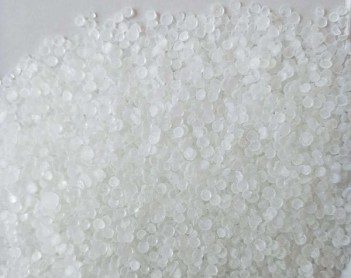
In the field of fine chemicals and new materials,hydrogenated resin,thanks to the excellent properties conferred by hydrogenation modification,have become indispensable functional additives in industries such as adhesives,coatings and inks,plastics and rubber modification,and high-end packaging.Compared to ordinary unhydrogenated resin,they achieve a comprehensive upgrade in weather resistance,thermal stability,low color,and low odor by saturating the unsaturated double bonds in the molecular structure.However,the wide variety of types,significant performance differences,and inconsistent quality of market products make it a core challenge for many buyers and technical professionals to accurately select hydrogenated resin that meet their needs,are cost-effective,and offer stable performance.This article will provide a scientific and comprehensive selection guide to help avoid pitfalls and achieve efficient selection.
一.Understanding the Core
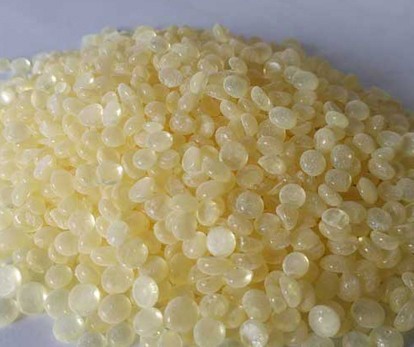
The prerequisite for selecting hydrogenated resins is to understand the meaning of the core indicators that determine their performance advantages–the core value of hydrogenated resins stems from the molecular structure modification of base resins(such as C5,C9 petroleum resins,rosin resins,etc.)through catalytic hydrogenation.By saturating double bonds and removing impurities,they ultimately exhibit unique advantages that differentiate them from ordinary resins.The strength of these advantages is directly determined by key indicators,which are also the core basis for selection.
Three key performance advantages require particular attention:First,weather resistance and thermal stability.After 300 hours of UV aging,the color changeΔE<1.5,and the thermal weight loss rate after heating at 250°C for 1 hour is<0.3%,preventing yellowing,aging,and degradation of the product under long-term light exposure and high-temperature environments;Second,low color and low odor.Fully hydrogenated products have an iodine value<5g I₂/100g,low styrene monomer residue,and the color(Gardner color scale)can be controlled below 1,with some high-end products reaching water-white,meeting the stringent requirements for environmental protection and appearance in food packaging and medical dressings;Third,compatibility and processability.The narrow molecular weight distribution(weight-average molecular weight Mw is usually 800–2500 g/mol)allows for good compatibility with various polymers such as EVA,SIS,PP,and PE,adapting to different processing technology requirements.It is important to note that hydrogenated resin with different degrees of hydrogenation and different raw material sources exhibit significant performance differences.Low-degree hydrogenated resin retain some unsaturation,offering strong adhesion but weaker weather resistance and a higher cost-effectiveness ratio;high-degree hydrogenated resin are almost completely saturated,boasting excellent weather resistance and low odor,but at a higher production cost and lower reactivity.Aromatic and non-aromatic hydrogenated resin also show distinct differences in compatibility and UV resistance,requiring careful selection based on the specific application.
二.Precise Targeting:Identifying the Right Direction Based on"Product Category+Application Scenario"
The classification of hydrogenated resin is clear,primarily based on raw material source and degree of hydrogenation.The applicable scenarios for different categories are highly defined.The first step in selection is to identify the corresponding category based on your application field,avoiding"blind trial and error."Currently,the mainstream hydrogenated resin on the market are mainly divided into the following categories,with their characteristics and applicable scenarios as follows:
(I)Classification by Raw Material Source:Tailored to the Core Needs of Different Industries
1.Hydrogenated C5 Petroleum Resin:Produced from C5 fraction obtained after petroleum cracking,followed by polymerization and hydrogenation.Its core advantages are low color,high softening point,excellent compatibility with rubber,and a relatively affordable price.It is mainly used in hot-melt adhesives(such as non-woven fabric seam adhesives),pressure-sensitive adhesives,back adhesives for sanitary products(diapers,sanitary napkins),and PP/PE film modification,improving ink adhesion and film rigidity.It is currently the largest category in the market,accounting for approximately 48%of the total domestic production of hydrogenated resin.
2.Hydrogenated C9 Petroleum Resin:Made from C9 aromatics,hydrogenation improves the shortcomings of ordinary C9 resins,such as easy yellowing and poor weather resistance.It possesses good adhesion and stability,with a high softening point(usually 95-125℃).It is suitable for high-performance pressure-sensitive adhesives,printing inks,road marking paints,and rubber modification(such as enhancing the peel strength of nylon cord in tire rubber).Some fully hydrogenated C9 resins(such as water-white grade)can be used in high-end coatings and food packaging adhesives.
3.Hydrogenated DCPD Resin:Produced from dicyclopentadiene,hydrogenation provides unparalleled weather resistance and UV resistance,and broad compatibility,especially suitable for low-viscosity formulations and spray coating processes.It is mainly used in automotive interiors,coatings for outdoor high-voltage insulation equipment,high-end medical sealants,and spray-type sanitary product adhesives,making it a preferred category in high-end fields.
4.Hydrogenated Rosin Resin:Derived from natural rosin,processed through disproportionation,polymerization,and hydrogenation.It possesses excellent biocompatibility and environmental characteristics,with low acid value and low odor.It is suitable for pharmaceutical excipients,food-grade adhesives,high-end cosmetics,and packaging fields with extremely high environmental requirements,aligning with the current trend of green chemical development.
(II)Classification by Degree of Hydrogenation:Balancing Performance and Cost
1.Low-Degree Hydrogenated Resin:Insufficient hydrogenation,retaining a certain number of unsaturated double bonds.The core advantages are high reactivity and excellent adhesive properties,along with lower cost.The limitations are poor weather resistance and thermal stability,and a shorter shelf life.Suitable for general industrial adhesives,flexible bonding,and low-end pressure-sensitive tapes where weather resistance requirements are not high.
2.High-Degree Hydrogenated Resin:Nearly completely saturated,with significant advantages in weather resistance,thermal stability,and low color.They comply with international standards such as EU REACH and FDA,but have higher production costs and lower reactivity.Compatibilizers may be needed in some applications.Suitable for high-end coatings,food-grade packaging,medical materials,and outdoor products where performance and environmental requirements are stringent.
三.Focusing on Key Factors:Controlling the"Core Indicator Thresholds"for Selection
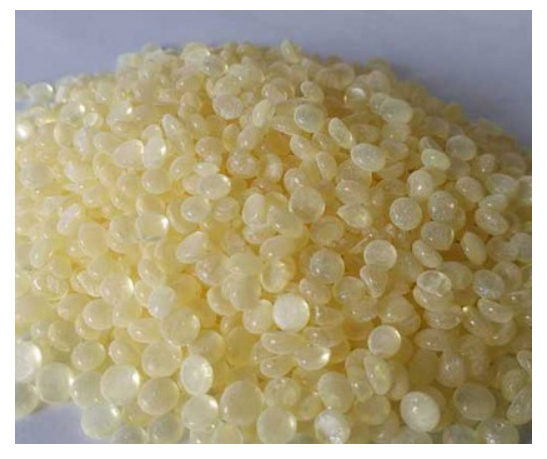
After determining the product category,it is necessary to further verify the key indicators of the product.This is the core step in judging product quality and ensuring suitability–even for hydrogenated resin of the same category,differences in manufacturing processes and catalysts among different manufacturers will lead to variations in indicators,thus affecting the final product performance.When purchasing,the following six key indicators should be checked carefully,avoiding the mistake of"only looking at the appearance,not the data."
1.Degree of Hydrogenation(Iodine Value):The"Core Indicator"Determining Weather Resistance
The degree of hydrogenation refers to the extent to which unsaturated double bonds in the resin molecule are saturated by hydrogenation.It is usually measured by the iodine value.The lower the iodine value,the higher the degree of hydrogenation,and the better the weather resistance and thermal stability.Fully hydrogenated resin have an iodine value≤5 g I₂/100g,while some industrial-grade products have an iodine value≤20 g I₂/100g.When purchasing,the application scenario should be considered:food packaging,medical,and outdoor products require fully hydrogenated products with an iodine value<5;general industrial adhesives can use products with an iodine value of 10-20,balancing performance and cost.
2.Color:The"Intuitive Indicator"for Appearance Requirements
Color directly affects the appearance of the final product,especially for light-colored products,transparent coatings,and high-end packaging.The Gardner color scale or yellowness index is commonly used for measurement.Gardner color scale 0-1 indicates water-white/ultra-light color,1-3 indicates light color,and valuesabove 3 are unsuitable for applications requiring a specific appearance.For example,high-grade coatings and food packaging adhesives require Gardner 0-1 products,while ordinary rubber modification can tolerate valuesup to 3.
3.Softening Point:A"Key Parameter"for Matching Processing Technology
The softening point determines the processing temperature and operating temperature range of hydrogenated resin,usually between 80℃and 140℃.The requirements vary significantly depending on the application.In the hot-melt adhesive field,products with a softening point of 90-110℃are suitable for medium-low temperature processing,while products with a softening point of 110-130℃are suitable for high-temperature bonding applications.In the coatings and inks field,the corresponding softening point product should be selected based on the drying temperature to avoid tackiness caused by a low softening point and to prevent high softening points from affecting film formation.
4.Molecular Weight and Molecular Weight Distribution:Affecting Compatibility and Processability
The narrower the molecular weight distribution,the better the processing stability of the resin and the better its compatibility with other materials.The weight-average molecular weight(Mw)is usually between 800-2500 g/mol.Too high a molecular weight leads to high resin viscosity and processing difficulties,while too low a molecular weight affects the product's cohesive strength and bonding strength.For example,sprayable adhesives for hygiene products require low molecular weight,low viscosity products,while pressure-sensitive adhesives require products with moderate molecular weight and uniform distribution to balance initial tack and holding power.
5.Acid Value:Related to Environmental Protection and Stability
The lower the acid value,the better the stability of the resin,the less corrosive it is to equipment,and the more it meets environmental requirements.High-quality hydrogenated resin generally have an acid value below 5 mgKOH/g,especially food-grade and medical-grade products,which require strict control of the acid value to avoid residual acidic substances affecting product safety and service life.
6.Environmental Indicators:Meeting Compliance Requirements
With increasingly stringent environmental policies,standards such as EU REACH,FDA food contact standards,and domestic GB18583-2008 have become important thresholds for product selection.When purchasing,it is necessary to require suppliers to provide environmental testing reports,focusing on checking VOC content,heavy metal residues,and harmful monomer residues(such as styrene)to ensure that the products meet the compliance requirements of your industry,especially in the fields of food packaging,medical devices,and children's products.
四.Key to Avoiding Pitfalls:Mastering the"Manufacturer Screening+Practical Verification"Technique
Some manufacturers in the market,in order to reduce costs,have problems such as"incomplete hydrogenation,""adulteration with ordinary resins,"and"false indicators,"leading to unstable product performance,short service life,and even affecting the quality of the final product.Therefore,product selection should not only focus on product indicators but also on manufacturer screening and practical verification to ensure the accuracy of the selection.
(I)Screening High-Quality Manufacturers:3 Core Judgment Criteria
1.Verify Qualifications and Technical Strength:Prioritize manufacturers with complete production qualifications,independent hydrogenation processes,and core catalyst technologies.Check their production licenses,quality management system certifications,and whether they have technical cooperation with research institutions(such as the Institute of Chemistry of the Chinese Academy of Sciences,university chemical laboratories).Leading global companies include Eastman and Arakawa Chemical,while high-quality domestic manufacturers include Zhuzhou Songben Chemical and Dalian Qihua.These manufacturers have advanced production equipment and mature processes,resulting in stronger product quality stability.
2.Verify Product Testing Reports:Reputable manufacturers will provide authoritative third-party testing reports,clearly indicating key indicators(hydrogenation degree,color,softening point,etc.)and environmental compliance.Be cautious of manufacturers who refuse to provide testing reports or whose reports have vague indicators.At the same time,you can request the manufacturer to provide product batch testing records to ensure consistent product performance for each batch.
3.Evaluate Reputation and After-Sales Service:Understand the manufacturer's reputation through industry peers and upstream and downstream suppliers,focusing on product stability,timely supply,and after-sales service.High-quality manufacturers will provide technical support to help solve compatibility and yellowing problems during processing,and can guarantee stable supply to avoid production disruptions due to shortages;at the same time,you can inspect the manufacturer's product storage conditions to prevent resin from becoming damp or deteriorating due to improper storage.(II)Practical Verification:Small-Batch Testing is Indispensable
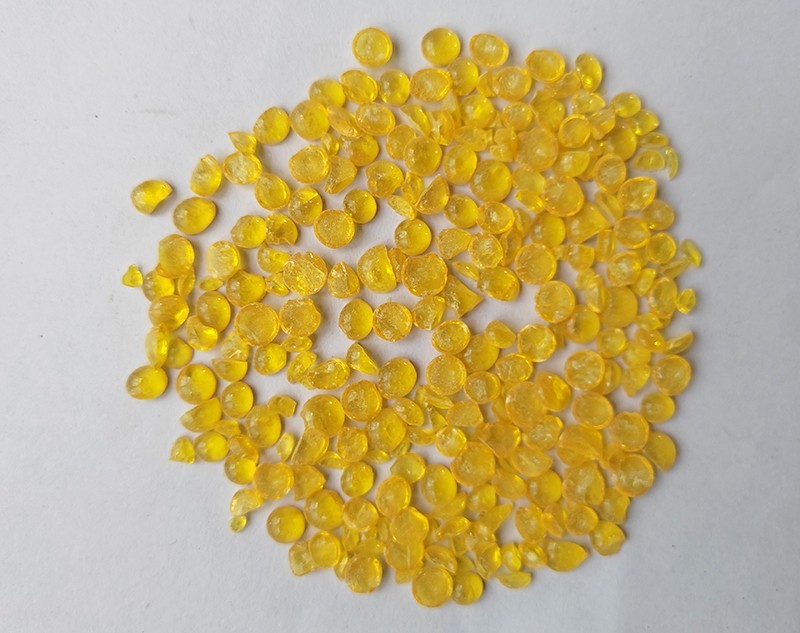
Regardless of the manufacturer's qualifications or the excellence of the specifications,small-batch practical testing is necessary before large-scale procurement to avoid selection errors caused by discrepancies between laboratory indicators and actual processing scenarios.The testing should focus on three key areas:
1.Compatibility Testing:Mix the hydrogenated resin with other components in your formula(such as polymers,solvents,and plasticizers)in the appropriate proportions.Observe whether the mixture is homogeneous,and check for precipitation or stratification,ensuring that it is compatible with the existing formula and does not affect the processing flow.
2.Performance Matching Testing:Simulate the actual processing technology(such as hot-melt adhesive melting or paint spraying)to test the product's processability(such as viscosity and flowability)and end-use performance(such as bonding strength,yellowing resistance,and coating gloss).For example,in the adhesive field,initial tack and holding power can be tested;in the coatings field,UV aging resistance and chemical resistance can be tested.
3.Stability Testing:Place the test samples in the actual use environment(such as outdoor sunlight or high-temperature storage)and observe them for a period of time(usually 7-30 days).Check whether the product exhibits yellowing,odor,or performance degradation to ensure that it meets long-term use requirements.
To learn more about hydrogenated resin,please contact us.

 Language


 Address:Linzi District,Zibo City,Shandong Province
 E-mail:wanbang@wanbangresin.com
 WhatsApp:+8615053337101