In the field of chemical materials,
hydrogenated resin has become a highly anticipated high-performance chemical material due to its unique properties and wide range of applications. So, what is hydrogenated resin? This article will provide you with a detailed interpretation.
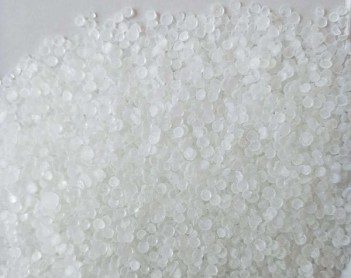
Hydrogenated resin, as the name suggests, is a type of resin material obtained by modifying resin through hydrogenation reaction. This modification process typically involves converting unsaturated bonds in the resin into saturated bonds through hydrogenation reactions, thereby improving the resin's weather resistance, yellowing resistance, heat resistance, and environmental performance. According to the different raw materials and preparation processes, hydrogenated resins can be divided into various types, such as DCPD hydrogenated resin, C5 hydrogenated resin, etc.
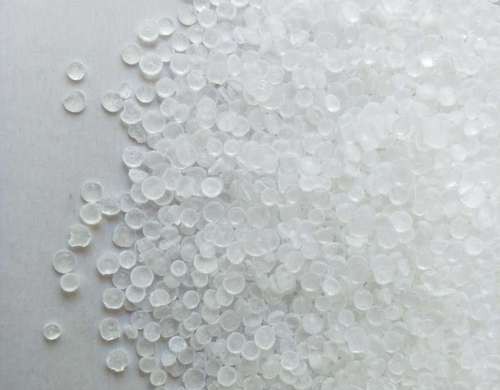
DCPD hydrogenated resin is a water white tackifying resin prepared from dicyclopentadiene (DCPD) as the main raw material through polymerization, hydrogenation and other processes. It has good viscosity, compatibility, thermal stability, and photostability, and is therefore widely used in fields such as rubber, adhesives, printing inks, high-end coatings, and hot melt adhesives. This resin not only improves the performance of the product, but also expands its application fields.
C5 hydrogenated resin is a high-quality and versatile thermoplastic thickening resin obtained through hydrogenation using cracked C5 as the main raw material. It also has excellent heat stability and compatibility with various polymers, making it widely used in fields such as non-woven fabrics, hot melt adhesives, pressure-sensitive adhesives, sealants, and plastic modification. Especially in the field of non-woven fabrics, C5 hydrogenated resin is used as a gelling agent in the production of disposable diapers and sanitary napkins, bringing convenience to people's lives.
The reason why hydrogenated resins can be widely used in many fields is inseparable from their excellent performance characteristics. Firstly, hydrogenated resin has excellent weather resistance and yellowing resistance, which can maintain the stability and aesthetics of the material in harsh environments. Secondly, hydrogenated resin also has good heat resistance and chemical stability, which can maintain the properties of the material unchanged in high temperature or chemical corrosion environments. In addition, hydrogenated resin also has the advantages of environmental protection and low emissions of volatile organic compounds (VOCs), which meets the requirements of modern industry for environmental protection.
However, hydrogenated resins also have some limitations. For example, due to its relatively complex preparation process and high cost, it may be limited in some price sensitive application fields. In addition, some properties of hydrogenated resins may fluctuate due to the influence of raw materials and preparation processes, so quality control should be taken into account during use.
In summary, hydrogenated resin, as a high-performance chemical material, plays an important role in multiple fields. With the continuous advancement of technology and the increasing demand for material properties, the application fields of hydrogenated resins will be further expanded. At the same time, we also look forward to the emergence of more innovative hydrogenated resin materials in the future, making greater contributions to the development of human society.

 Language


 Address:Linzi District,Zibo City,Shandong Province
 E-mail:wanbang@wanbangresin.com
 WhatsApp:+8615053337101