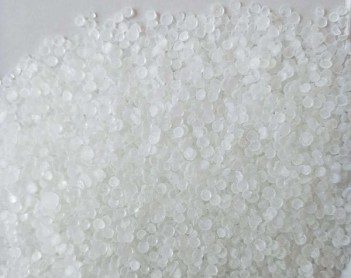
Hydrogenated resin, as a polymer material treated with special hydrogenation technology, has shown great potential for application in multiple industrial fields due to its excellent properties. With the continuous advancement of global industrialization and technological innovation, the future development prospects of hydrogenated resins are showing a bright future.
1. Market demand continues to grow
1. In the field of new energy vehicles: With the booming development of the new energy vehicle industry, the demand for high-performance and environmentally friendly materials has sharply increased. Hydrogenated resin has key applications in sealing materials for new energy vehicle battery packs, insulation layers for electronic products, and lightweight materials in the aerospace industry. It is predicted that by 2030, the application of new energy vehicles will drive a demand growth of nearly 50% in the hydrogenated resin industry.
2. In the field of electronic information: Driven by emerging technologies such as 5G communication and the Internet of Things, the demand for high-frequency, high-speed, and high-performance materials is constantly increasing. Hydrogenated resin has become a key material for manufacturing electronic components such as high-frequency and high-speed printed circuit boards (PCBs) due to its low dielectric constant and low dielectric loss characteristics.
3. In the field of environmentally friendly packaging: With the increasing awareness of environmental protection, traditional solvent based adhesives are gradually being replaced by environmentally friendly hot melt adhesives. The application of hydrogenated resin in food grade hot melt adhesive not only ensures the firmness of packaging, but also meets the strict requirements of food packaging for safety and environmental protection.
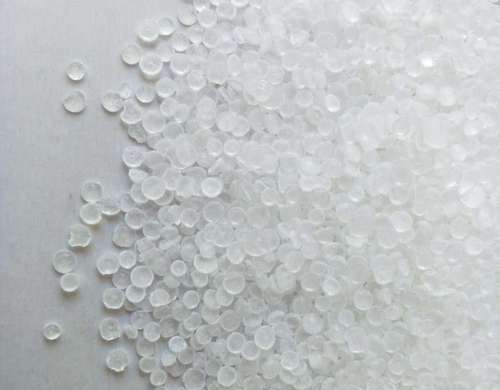
2. Technological progress drives industrial upgrading
1. Production process innovation: In recent years, the production process of hydrogenated resin has been continuously innovated, and the application of catalyst technology, hydrogenation process, and intelligent production technology has significantly improved the production efficiency and product purity of hydrogenated resin. For example, the application of bio based raw materials, the popularization of intelligent production processes, and the promotion of circular economy models will become important directions for industry development.
2. Green environmental protection technology: With the increasingly strict environmental regulations, the hydrogenated resin industry is accelerating its transformation towards green and low-carbon. By optimizing production processes and raw material selection, the production process of hydrogenated resin has achieved low pollution, low emissions, and complies with current environmental standards and regulations.
3. Research and development of high-performance materials: In order to meet the continuous improvement of hydrogenated resin performance in downstream application fields, enterprises continue to increase research and development investment and develop hydrogenated resin products with higher heat resistance, weather resistance, and compatibility. For example, hydrogenated resin for medical catheters has achieved a 70% import substitution rate due to its excellent biocompatibility, and breakthroughs have also been made in the research and development of new hydrogenated resins in the field of biodegradable packaging materials.
3. Policy support and market integration
1. Policy support: The national and local governments have provided strong support for the research and promotion of green polymer materials such as hydrogenated resins. For example, the "Guidelines for the Development of the New Materials Industry" released by the National Development and Reform Commission clearly states the need to focus on supporting the research and promotion of green polymer materials such as hydrogenated resins, and plans to reduce production costs for enterprises through special subsidies.
2. Accelerated market integration: With the intensification of market competition, the integration of the hydrogenated resin industry will further accelerate. In the next five years, it is expected that about 30% of small and medium-sized enterprises with outdated production capacity will be eliminated, and the market share of top enterprises is expected to further increase. This will help enhance the overall competitiveness and technological level of the industry.
4. Prediction of Future Development Trends
1. Market expansion: It is expected that by 2030, the size of China's hydrogenated resin market will exceed 100 billion yuan, with an average annual compound growth rate expected to be between 10% and 15%.
2. Expansion of application areas: In addition to traditional application areas, the application of hydrogenated resins in emerging markets such as biomedical materials and intelligent packaging will gradually open up. It is predicted that by 2030, these emerging markets will contribute about 15% of the industry's total demand.
3. Technological innovation leads development: In the future, the development of the hydrogenated resin industry will pay more attention to technological innovation and green environmental protection. By continuously developing high-performance and environmentally friendly hydrogenated resin products, we meet the continuous improvement of material performance and environmental requirements in downstream application fields.
In summary, the future development prospects of hydrogenated resins are broad. Driven by multiple factors such as sustained growth in market demand, technological advancements driving industrial upgrading, policy support, and market integration, the hydrogenated resin industry will usher in a better tomorrow.

 Language


 Address:Linzi District,Zibo City,Shandong Province
 E-mail:wanbang@wanbangresin.com
 WhatsApp:+8615053337101