
 Language


More Language
Language
In today's industrial materials sector,there is a seemingly inconspicuous yet ubiquitous product—C5 hydrogenated petroleum resin.This synthetic resin,produced from C5 fractions,a by-product of petroleum cracking,as raw material and processed through hydrogenation technology,is quietly permeating every aspect of our lives with its unique combination of properties.From the roads beneath our feet to the adhesives in our hands,from car tires to food packaging,C5 hydrogenated petroleum resin plays an indispensable role.The reason this material is highly favored stems from its excellent weather resistance,good compatibility,stable color,and outstanding tackifying effect,making it a high-performance choice difficult for many traditional resins to replace.
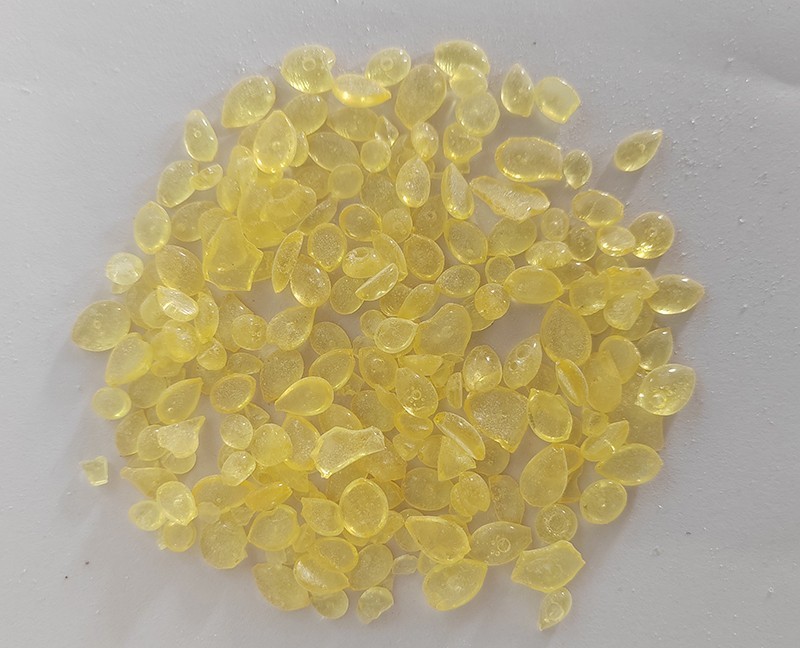
The production of C5 hydrogenated petroleum resin begins with the C5 fraction generated during petroleum cracking,primarily containing components such as isoprene,piperylene,and cyclopentadiene.Through processes like fractionation,polymerization,and especially the crucial hydrogenation step,the original C5 petroleum resin—which was deep in color,poor in thermal stability,and prone to aging—undergoes a qualitative change.The hydrogenation process saturates the unsaturated bonds in the resin molecules,significantly enhancing the product's light and thermal stability.This transforms its color from a dark yellowish-brown to a water-white or pale yellow,while substantially reducing odor and toxicity.This transformation enables C5 hydrogenated petroleum resin to meet the demands of higher-end applications,particularly in fields with strict requirements for color stability,durability,and safety.
C5 hydrogenated petroleum resin plays a pivotal role in the adhesive industry.As an important component in pressure-sensitive adhesives,hot-melt adhesives,and sealants,it provides an excellent balance between initial tack and holding power.Compared to traditional rosin resins or non-hydrogenated C5 resins,hydrogenated resin features lighter color,better oxidation stability,and a longer service life.In labels,tapes,hygiene products,and packaging materials,adhesives containing C5 hydrogenated petroleum resin can maintain stable performance over long periods without yellowing,embrittlement,or loss of adhesion due to light exposure or oxidation.Especially in high-end transparent tapes and medical pressure-sensitive adhesive products,water-white hydrogenated resin has become almost an indispensable material,as it provides the necessary bonding performance without compromising product appearance or safety.
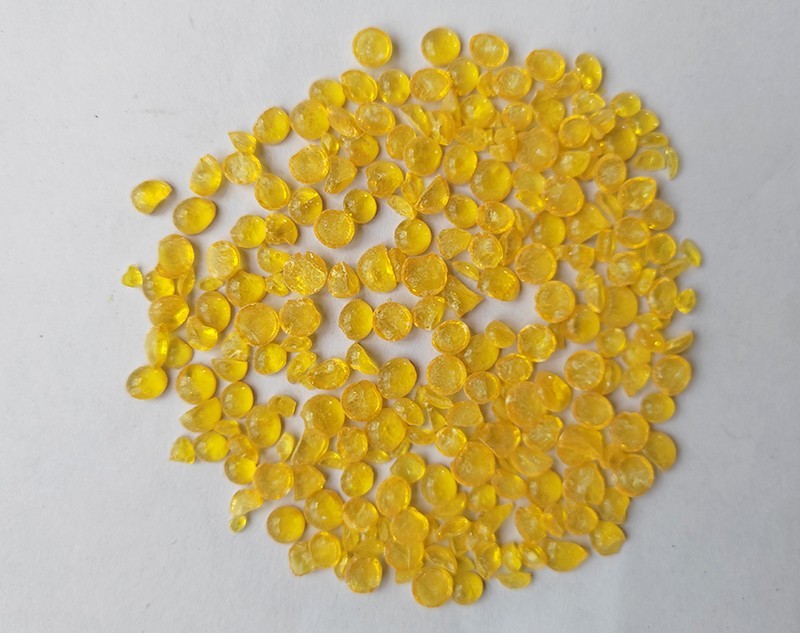 IV.Rubber and Tire Industry,Enhancing Performance and Processability
In the rubber products industry,particularly in tire manufacturing,C5 hydrogenated petroleum resin serves uniquely as a tackifier and softener.Adding an appropriate amount of hydrogenated resin to a tire's tread compound can effectively enhance the compound's self-adhesion and mutual adhesion,improve processing performance,all without adversely affecting the physical and mechanical properties of the vulcanized rubber.Compared to petroleum-based processing oils,C5 hydrogenated petroleum resin exhibits lower migration and volatility.It does not leach out from the rubber during long-term use,thereby avoiding issues like rubber hardening or incompatibility with other materials that can result from such leaching.Furthermore,the addition of hydrogenated resin can appropriately lower the glass transition temperature of the compound,improving the tire's flexibility under low-temperature conditions and enhancing grip performance.For high-performance tires and green tires,C5 hydrogenated petroleum resin is an essential functional additive,aiding in achieving the optimal balance between low rolling resistance,high wear resistance,and good wet skid resistance.
The ink and coatings industries also benefit from the unique properties of C5 hydrogenated petroleum resin.In ink manufacturing,hydrogenated resin acts as a crucial component of the vehicle,providing good pigment wetting,appropriate viscosity,and quick-drying characteristics.Compared to traditional natural resins or petroleum resins,hydrogenated resin offers a lighter initial color and superior color retention,which is vital for the quality of printed materials,especially packaging prints.In high-end coatings,particularly outdoor and industrial coatings requiring long-term color stability,C5 hydrogenated petroleum resin is used as a modifier.It can significantly improve the coating's adhesion,hardness,and chemical resistance while enhancing the paint's flow and leveling properties.Compared to common resin bases like acrylic or alkyd resins,C5 hydrogenated petroleum resin possesses better hydrophobicity and hydrolysis resistance,making it particularly outstanding in humid or underwater applications.
The performance advantages of C5 hydrogenated petroleum resin are not limited to single indicators but lie in the balance of its comprehensive properties.From a physical characteristic perspective,hydrogenated resin typically has a moderate softening point(80-120°C),making it solid at room temperature and easy to melt and process upon heating.Its molecular weight distribution is relatively narrow,contributing to more consistent performance.In terms of chemical properties,the hydrogenation treatment gives the resin a high degree of saturation,resulting in excellent oxidation resistance and UV stability.Simultaneously,hydrogenated resin exhibits good compatibility with various polymers(such as SBS,SIS,EVA elastomers,as well as polyethylene,polypropylene,and other polyolefins)and oils(like mineral oils,synthetic oils),greatly expanding its application scope.Regarding safety and environmental aspects,deeply hydrogenated C5 resin is extremely low in toxicity.Some grades even meet standards for food contact materials,allowing use in sensitive applications like food packaging adhesives.
 Address:Linzi District,Zibo City,Shandong Province
 E-mail:wanbang@wanbangresin.com
 WhatsApp:+8615053337101
China C5 hydrogenated petroleum resin supplier : Shangdong Wanbang New Materials Co., Ltd.
C5 hydrocarbon resin manufacturer has a wide range of applications, high quality, low price, and multiple uses.Welcome to consult.