In many industrial fields such as adhesives, coatings, inks, etc., tackifiers play a crucial role in significantly improving the adhesion performance of materials, ensuring that products can exhibit reliable bonding effects in different application scenarios. With the continuous advancement of technology, hydrogenated tackifying resin, as an emerging tackifying material, has gradually emerged and formed a fierce competitive situation with traditional tackifiers. So, in this "king's battle" in the field of tackifiers, who can win over hydrogenated tackifying resin or traditional tackifiers?
1. Hydrogenated tackifying resin: the rise of emerging forces
1.1 Definition and characteristics of hydrogenated tackifying resin
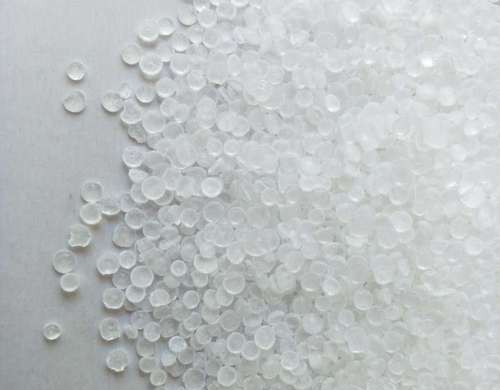
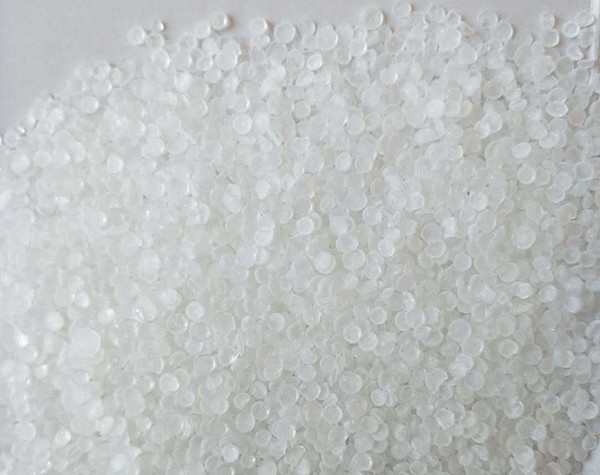
Hydrogenated tackifying resin is a new type of material obtained by modifying traditional tackifying resins through specific hydrogenation processes. This process saturates the unsaturated bonds in the molecular structure of the resin, thereby endowing hydrogenated tackifying resin with a series of unique properties.
From an appearance perspective, hydrogenated tackifying resin typically exhibit better color stability. Compared to traditional tackifiers that may cause yellowing, discoloration, and other issues, hydrogenated tackifying resin can maintain clear, transparent, or stable colors for a long time. This has great advantages for applications that require high product appearance, such as high-end coatings and transparent adhesives.
In terms of chemical stability, hydrogenated tackifying resins perform better. Due to the reduction of unsaturated bonds in its molecular structure, its resistance to external factors such as oxygen and ultraviolet radiation is significantly enhanced. This means that during storage and use, hydrogenated tackifying resins are not easily subjected to oxidative degradation reactions, which can maintain the stability of their tackifying properties for a long time and extend the service life of the product.
1.2 The thickening principle of hydrogenated thickening resin
The thickening effect of hydrogenated thickening resin is mainly based on the interaction between its molecular structure and the surface of the adhered material. Its molecular segments have certain flexibility and polar groups, which can form good physical adsorption and chemical bonding with the surface of the adhesive. When hydrogenated tackifying resin is applied to adhesives, it can form a uniform transition layer between the adhesive and the adherend, enhancing the interfacial bonding force between the two and thus improving the adhesive strength of the adhesive.
In addition, hydrogenated tackifying resin can also adjust the rheological properties of adhesives, making them have good flowability and wetting properties during the coating process, which can better cover the surface of the adhesive and further enhance the bonding effect.
1.3 Expansion of Application Fields of Hydrogenated Adhesive Resin
Due to its excellent performance, the application fields of hydrogenated tackifying resins are constantly expanding. In the adhesive industry, it is widely used in high-performance structural adhesives, pressure-sensitive adhesives, hot melt adhesives and other fields, providing these adhesives with higher bonding strength and better weather resistance. In the field of coatings, hydrogenated tackifying resin can be used as thickeners and leveling agents to improve the construction performance and coating quality of coatings, making the coating smoother and smoother, while enhancing the adhesion and water resistance of the coating. In the ink industry, it can enhance the printability of ink, improve the adhesion and drying speed of ink on paper and other substrates, making printed materials clearer and more vivid.
2. Traditional tackifiers: Adhering to classic products
2.1 Types and characteristics of traditional thickeners
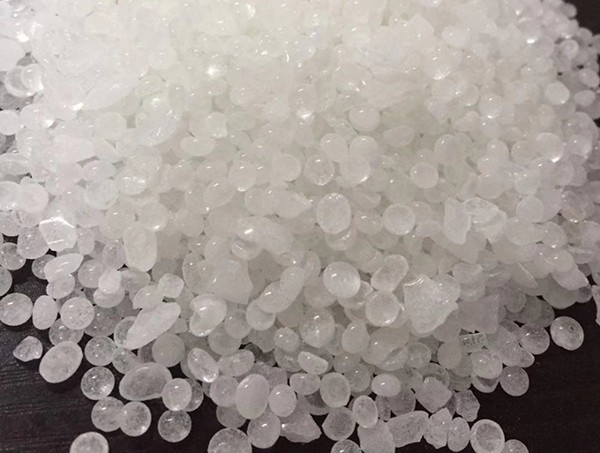
There are many types of traditional tackifiers, including rosin based tackifiers, terpene based tackifiers, petroleum resin based tackifiers, etc. Rosin based tackifiers have good viscosity and compatibility, relatively low prices, and are widely used in various adhesives and coatings. However, rosin based tackifiers have disadvantages such as easy oxidation and dark color, which limit their application in some fields that require high performance and appearance.
Terpene based thickeners have good thickening effects and heat resistance. Their molecular structure contains multiple double bonds and has certain reactivity. However, the sources of terpene based thickeners are relatively limited, their prices are high, and they are prone to polymerization reactions during storage, which affects their performance.
Petroleum resin based thickening agents are made from by-products of petroleum cracking, and have the advantages of wide raw material sources and low prices. It can be classified into various types based on different production processes and applications, such as C5 petroleum resin, C9 petroleum resin, etc. The thickening effect of petroleum resin based thickeners is good, but they are relatively weak in terms of weather resistance and color stability.
2.2 The thickening mechanism of traditional thickeners
The thickening mechanism of traditional thickeners is mainly based on van der Waals forces and hydrogen bonding interactions between molecules. When the molecules of the tackifier come into contact with the surface of the adherend, the van der Waals forces between the molecules will cause the tackifier molecules to adsorb onto the surface of the adherend, forming a layer of tackifier. At the same time, the polar groups in the tackifier molecules can form hydrogen bonds with the polar groups on the surface of the adherend, further enhancing the bonding force between the tackifier layer and the adherend, thereby improving the bonding strength.
2.3 Application Status of Traditional Thickener
Despite facing competition from emerging materials, traditional thickeners still occupy important market shares in many fields due to their mature production processes, wide application foundations, and lower costs. In some applications that do not require particularly high performance and are cost sensitive, traditional thickeners are still the preferred material. For example, in some common fields such as packaging adhesives and architectural coatings, traditional tackifiers still play an important role.
3. Performance Comparison: Comprehensive Competition between Hydrogenated Thickener Resin and Traditional Thickener
3.1 Viscosity Enhancement Performance
In terms of thickening performance, hydrogenated thickening resins typically exhibit superior properties. Due to the optimization of its molecular structure, hydrogenated tackifying resin can form stronger interaction forces with the surface of the adhesive, providing higher bonding strength. In contrast, although traditional thickeners can also play a certain role in increasing adhesion, they may not be able to meet the requirements in some applications that require high bonding strength.
3.2 Weather resistance
Weather resistance is one of the important indicators for measuring the performance of thickening agents. Hydrogenated tackifying resins have better chemical stability, stronger resistance to external factors such as ultraviolet radiation and oxygen, and can maintain the stability of their tackifying properties for a long time under harsh environmental conditions. Traditional thickeners, such as rosin and petroleum resins, are prone to aging and degradation under prolonged exposure to ultraviolet radiation and oxidation, leading to a decrease in their thickening performance.
3.3 Color Stability
As mentioned earlier, hydrogenated tackifying resins have significant advantages in color stability. It can maintain clear, transparent, or stable color for a long time without problems such as yellowing or discoloration. This is very important for some application fields that require high product appearance, such as high-end coatings, transparent adhesives, etc. Traditional thickeners, especially rosin based thickeners, are prone to oxidation, which often leads to a decrease in product color and affects the aesthetics of the product.
3.4 Cost factors
In terms of cost, traditional thickeners have certain advantages. Due to its mature production process, wide range of raw material sources, and relatively low prices. However, hydrogenated tackifying resins require specific hydrogenation processes for modification, resulting in relatively high production costs and expensive prices. This makes traditional thickeners still competitive in some cost sensitive applications.
4. Future outlook: Who can dominate the field of viscosity enhancement?
4.1 Development Trend of Hydrogenated Adhesive Resin
With the continuous improvement of people's requirements for product performance and the enhancement of environmental awareness, hydrogenated tackifying resins have a very broad development prospect in the future due to their excellent performance and good environmental performance. On the one hand, researchers will continue to optimize and modify the molecular structure of hydrogenated tackifying resin, further improving their performance and expanding their application fields. On the other hand, with the continuous advancement of production technology and the realization of large-scale production, the production cost of hydrogenated thickening resin is expected to gradually decrease, thereby improving its competitiveness in the market.
4.2 Transformation and Upgrade of Traditional Thickener
Faced with competition from hydrogenated tackifying resin, traditional tackifiers will not sit idly by. In the future, traditional adhesive manufacturers will increase their research and development investment, upgrade and replace traditional adhesives through modification, compounding and other means, and improve their performance and added value. For example, developing modified rosin based thickeners with better weather resistance and color stability, high-performance composite petroleum resins, etc. At the same time, traditional adhesive manufacturers will also focus on environmentally friendly production, reduce pollutant emissions during the production process, and meet increasingly strict environmental requirements.
4.3 Coexistence and Collaborative Development of the Two
In the future market of thickening agents, hydrogenated thickening resins and traditional thickening agents are expected to coexist and develop synergistically. In some high-end application fields that require high performance and are relatively insensitive to cost, hydrogenated tackifying resin will dominate; In some mass application fields that are cost sensitive and have relatively low performance requirements, traditional thickeners will still play an important role. In addition, both can be used in combination to fully leverage their respective advantages and develop new types of adhesive materials with superior performance to meet the needs of different customers.
In the "king's battle" between hydrogenated tackifying resin and traditional tackifiers, it is difficult to simply determine who is the absolute king. Hydrogenated tackifying resin represent the future development direction of the tackifier industry due to their excellent performance and broad development prospects; However, traditional thickeners still hold an important position in the market due to their mature production processes and extensive application foundations. In the future, with the continuous advancement of technology and the constant changes in the market, the two will mutually promote and develop together in competition, jointly pushing the tackifier industry to new heights. Both hydrogenated tackifying resin and traditional tackifiers will play important roles in their respective fields, bringing more convenience and value to industrial production and people's lives.

 Language


 Address:Linzi District,Zibo City,Shandong Province
 E-mail:wanbang@wanbangresin.com
 WhatsApp:+8615053337101