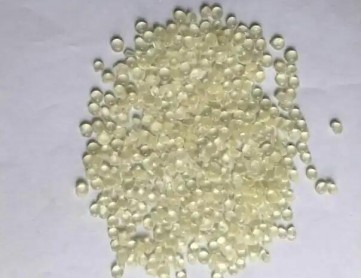
In contemporary art creation, the choice of materials is often equally important as creative concepts. As a modern art medium, resin is increasingly favored by artists.
Especially light colored resins, with their unique transparency, warm texture, and flexible plasticity, have brought unprecedented possibilities for artistic creation. Whether as the primary material or auxiliary medium, light colored resin is redefining the boundaries of art.
1. The unique charm of light colored resin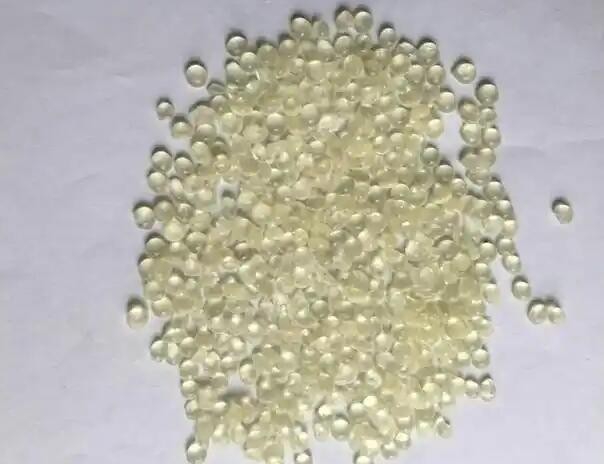
Light colored resins usually refer to epoxy resins with high transparency and light color tones, including colorless transparent, slightly white toned, and extremely light colored resins. Compared to dark colored resins, light colored resins can better capture and refract light, creating a soft and ethereal visual effect.
This material not only inherits the high glossiness, durability, and strong plasticity of the resin family, but also injects a sense of lightness and modernity into artistic works with its clear temperament.
From the perspective of artistic expression, light colored resin provides creators with a unique opportunity to explore light, layers, and depth. Its semi transparent nature allows light to penetrate and refract within the material, producing a soft luminescent effect that is difficult to achieve with traditional art materials.
2. The artistic expression of light colored resin
1. Game of Light and Depth
The biggest artistic advantage of light colored resin lies in its ability to interact with light. When light passes through light colored resin, refraction and scattering occur, creating rich variations in light and shadow. Artists can utilize this characteristic to create an ethereal and dreamlike atmosphere in their works.
Through the technique of layered casting, artists can create a three-dimensional sense of depth in resin, presenting two-dimensional works with a three-dimensional visual effect. This sense of depth makes the viewer feel as if they can "enter" the work, enhancing the immersion of art.
2. Subtle presentation of colors
In light colored resins, colors exhibit unique forms of expression. Due to the light color tone of the base, the added pigments will exhibit a softer and more hazy effect, forming a sharp contrast with the bright and eye-catching colors in the dark resin.
Artists can create subtle and layered color changes by adding a small amount of acrylic pigment or other compatible pigments to light colored resins. This technique is very suitable for expressing watercolor like gradient effects and soft tone transitions.
3. Texture and texture creation
Light colored resin provides ample space for texture creation. Artists can create rich texture effects on the surface of resin by controlling its fluidity and curing process, or using tools such as scrapers and brushes.
From smooth mirror like surfaces to tactile undulations, light colored resins can mimic various natural textures, such as water flow marks, stone surfaces, or abstract patterns, adding unique visual and tactile dimensions to artworks.
3. The creative techniques and methods of light colored resin
1. Material preparation and basic operations
The use of light colored resin for artistic creation requires careful material preparation and technical mastery. Firstly, choosing high-quality transparent epoxy resin is crucial, as it will ensure the clarity and durability of the final product.
It is crucial to mix resin and curing agent in the correct proportion. Any deviation in proportion may lead to resin non curing or surface defects. After mixing, it is necessary to stir thoroughly to ensure complete fusion of the two components, while avoiding excessive stirring and the generation of too many bubbles.
2. Layered pouring technology
For complex light colored resin works, layered casting is a commonly used technique. Artists pour a thin layer of resin each time and wait for it to partially cure before proceeding to the next layer of creation. This method allows for the construction of three-dimensional elements in the work, creating a sense of depth.
During the layering process, artists can add pigments, metal foils, or other embedded materials between different layers to create rich layering effects. Each layer will subtly blend with the next layer while maintaining a certain degree of independence, ultimately forming a complex visual depth.
3. Coloring and Mixing Techniques
In light colored resins, coloring requires delicate processing. Artists usually use specialized epoxy resin pigments or acrylic pigments for coloring. It is important to pay attention to the proportion of pigments and avoid using too much pigment, which may affect the transparency and curing effect of the resin.
A common technique is to add different amounts of pigment to different parts of the resin to create a gradient effect from transparent to semi transparent and then to opaque. This technique can simulate the visual effects of natural elements such as sky, water, or mist.
4. Surface treatment and polishing
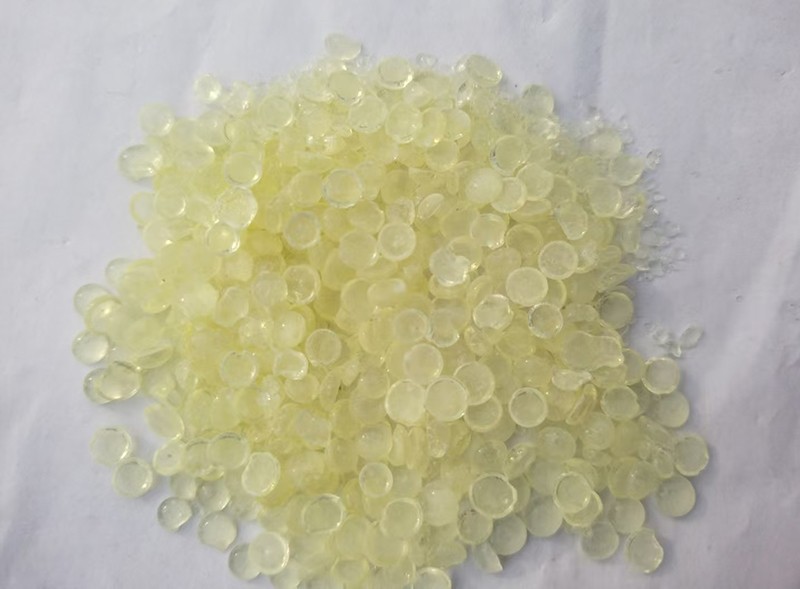
After the completion of light colored resin works, surface treatment is a key step in enhancing their visual effects. Through precise polishing techniques, artists can achieve a high gloss mirror effect on the resin surface, further enhancing the transparency and light perception of the material.
For works that pursue special effects, artists can also choose matte treatment or partial polishing to create a fun contrast of luster.
4. Creative application direction of light colored resin
1. Abstract artistic expression
Light colored resin is particularly suitable for abstract art creation. Its fluidity and transparency can naturally form organic forms and soft color transitions, making it very suitable for expressing emotions, atmosphere, and abstract concepts.
Artists can use the accidental effect of resin to guide the formation of rhythmic compositions, expressing various abstract themes, from natural phenomena to inner emotions.
2. Interpretation of Natural Themes
The clear nature of light colored resin makes it an ideal choice for expressing natural elements. Through clever color and texture processing, artists can use resin to mimic natural phenomena such as water, ice, mist, clouds, etc., creating poetic works with natural themes.
This material is particularly adept at capturing fleeting light and shadow changes in nature, solidifying flowing moments in static works.
3. Minimalism and Contemporary Aesthetics
In minimalist art, light colored resin can create a pure and peaceful visual experience. Its uniform surface and soft tones conform to the minimalist aesthetic's pursuit of simplicity and balance.
At the same time, the modernity of light colored resin also makes it very suitable for contemporary art creation, especially for works that explore material properties, light, and spatial relationships.
4. Mixed media creation
Light colored resin can be combined with other artistic media to create rich mixed media works. Artists can add painting elements, photographic images, or physical materials between resin layers to create a unique visual narrative.
The encapsulation properties of resin can protect these elements from damage, while its transparency allows viewers to explore the details inside the artwork through the surface.
5. Creative suggestions and precautions
1. Master the material characteristics
To fully unleash the artistic potential of light colored resins, artists need to have a deep understanding of material properties, including their flowability, curing time, viscosity, and other parameters. These knowledge can help artists predict the behavior of resin during the creative process and better control the final effect.
2. Experiment and Innovation
Resin art encourages the spirit of experimentation. Artists should be brave enough to try new techniques, materials, and combinations, constantly expanding the artistic boundaries of light colored resins. Start experimenting with small works, gradually master the techniques, and then proceed to more complex creations.
3. Professional skills improvement
To achieve the desired effect, artists can consider the following professional techniques:
Control environmental conditions: Resin is very sensitive to temperature and humidity, and needs to be created in a suitable environment.
Bubble management: Use a hot air gun or torch gun to carefully remove surface bubbles, but avoid excessive heating.
Patient waiting: Respect the curing process of the resin and avoid premature interference during the process.
6. Future prospects of light colored resin art
With the advancement of material technology and the evolution of artistic concepts, the application prospects of light colored resins in artistic creation are very broad. In the future, we may see more resin works that combine technology, such as creations that embed LED light sources or interactive elements.
Meanwhile, sustainability will also become an important consideration in resin art, promoting the development and application of more environmentally friendly resin materials.
The artistic possibilities of light colored resin are limited only by imagination. As more artists explore this medium, new creative directions and expressive techniques will inevitably be explored, further enriching the landscape of contemporary art.
Light colored resin, as a promising artistic medium, is constantly challenging the boundaries of traditional art. It invites artists to dance with light, engage in deep conversations, and solidify momentary inspiration into eternal art.
Whether experienced artists or creative explorers, light colored resin provides a creative field full of possibilities. In this field, materials and creativity meet, visual and tactile interweave, and art and craftsmanship merge - this is the new artistic possibility of light colored resin.

 Language


 Address:Linzi District,Zibo City,Shandong Province
 E-mail:wanbang@wanbangresin.com
 WhatsApp:+8615053337101