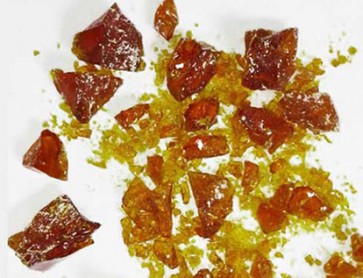
The optimal addition ratio of RX-80 rubber softener varies significantly depending on the type of rubber, product requirements, and process conditions. The recommended range is generally between 7-21 parts (based on 100 parts of raw rubber). For most rubber products, the appropriate amount of RX-80 rubber softener is usually 10-15 parts, which can effectively balance processing performance and finished product properties. However, it can be adjusted according to actual needs in specific application scenarios.
1. Introduction to RX-80 rubber softener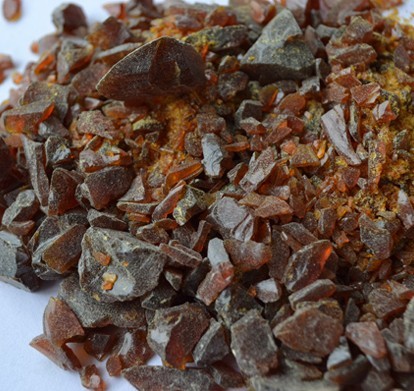
RX-80 rubber softener is a highly reactive resin softener that not only plays a plasticizing role in rubber processing, but also has thickening and reinforcing functions. Compared with traditional petroleum plasticizers, RX-80 rubber softener contains active functional groups in its molecular structure, which can interact with rubber molecules to improve processability while having less impact on the physical properties of vulcanized rubber. It can even enhance certain mechanical properties to a certain extent. In addition, RX-80 rubber softener can also increase the glossiness of colored rubber products, which has significant advantages in the production of various light colored or colored rubber products.
The addition ratio of RX-80 rubber softener in the rubber formula directly affects the processing characteristics, vulcanization behavior, and performance of the final product. The determination of the optimal addition amount requires comprehensive consideration of various factors such as rubber type, filler type and dosage, product usage requirements, and production process conditions. Only through systematic experiments and performance testing can the most suitable amount be found in a specific formula.
2. Analysis of factors affecting the dosage of RX-80 rubber softener
Determining the optimal dosage of RX-80 rubber softener requires comprehensive consideration of multiple influencing factors, which together determine the appropriate range of softener addition in the final formula.
-The type of rubber is the primary consideration factor. Due to differences in molecular structure, polarity, and unsaturation, different rubbers have varying compatibility and reactivity with RX-80 rubber softener. For example, in natural rubber (NR) and styrene butadiene rubber (SBR) systems, RX-80 rubber softener has good compatibility and a relatively wide range of dosage; In some saturated or polar rubbers, the dosage needs to be adjusted according to the specific situation.
-The performance requirements of the product directly determine the dosage range of RX-80 rubber softener. For products that require high strength, such as high-strength aging resistant vulcanized rubber, the dosage of RX-80 rubber softener can be controlled at 19-21 parts. For shoe edge rubber products that require high glossiness, research shows that the optimal dosage is around 7 parts, which together with pine tar forms a softening system. In addition, the dosage range of RX-80 rubber softener in the preparation of recycled rubber may be between 16-20 parts.
-The type and amount of filler also affect the optimal addition amount of RX-80 rubber softener. Formulas with high filling volumes typically require more softeners to wet the surface of the filler and improve the flowability of the adhesive. For example, in high filling recycled rubber formulations, the dosage of RX-80 rubber softener is relatively high, reaching 16-20 parts.
|
Application Field
|
Recommended Dosage (phr)
|
Main Functions
|
Compounding System Characteristics
|
|
Shoe - side rubber products
|
Around 7
|
Provide glossiness and improve fluidity
|
Used in combination with pine tar, with a total softening system of 18 phr
|
|
High - strength vulcanized rubber
|
19 - 21
|
Balance processability and physical properties
|
High - filled system, multiple rubbers used in combination
|
|
Reclaimed rubber
|
16 - 20
|
Assist in reactivation and improve recombination
|
Used in combination with plasticizers and reactivation agents
|
-The process conditions also affect the selection of the dosage of RX-80 rubber softener. For processes that require long-term high-temperature treatment, such as high-temperature vulcanization, it may be necessary to adjust the dosage to compensate for possible thermal degradation or volatilization losses. In addition, different mixing and molding processes have different requirements for the viscosity and flowability of the rubber material, and the amount of softener needs to be adjusted accordingly.
3. Suggested dosage of RX-80 rubber softener for different applications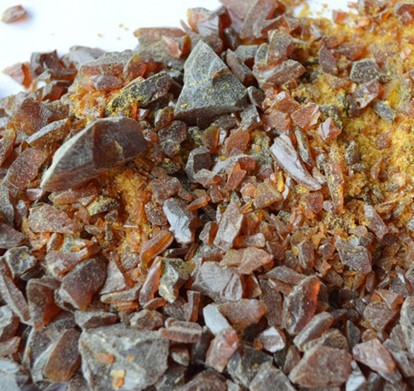
In different rubber application fields, the optimized dosage of RX-80 rubber softener has formed clear guiding principles through extensive practice and research.
3.1 Application of Rubber Products in Shoe Edges
In the formula of rolled high gloss shoe edge rubber, RX-80 rubber softener is combined with pine tar to form a composite softening system. Research has shown that the optimal ratio is 11 parts of pine tar, 7 parts of RX-80 rubber softener, and a total softening system of 18 parts. This ratio can ensure high glossiness of the product while ensuring processing fluidity, without affecting the vulcanization characteristics. In this application, if the dosage of RX-80 rubber softener is too high, it may cause the rubber material to be too soft, affecting the rolling operation; If the dosage is too low, it cannot fully reflect its effect of improving glossiness.
3.2 High strength aging resistant vulcanized rubber
The recommended dosage of RX-80 rubber softener in high-strength aging resistant vulcanized rubber formula is 19-21 parts. This type of formula usually contains a large amount of fillers (such as 3500-3700 parts of lightweight calcium carbonate, based on 1400-1600 parts of natural rubber), requiring sufficient softeners to wet the fillers and improve the flowability of the rubber material. In this high filling system, RX-80 rubber softener not only provides good processing performance, but also helps to disperse vulcanizing agents and accelerators, ensuring uniform vulcanization, thereby improving the physical strength and aging resistance of the finished rubber.
3.3 Preparation of Recycled Rubber
The dosage range of RX-80 rubber softener in the process of preparing high-performance recycled rubber by mechanochemical method is 16-20 parts. In this application, RX-80 rubber softener works in synergy with plasticizers (3-5 parts) and rejuvenators (2-4 parts) to promote desulfurization and restructuring of waste rubber. In this formula, every 100 parts of rubber powder corresponds to 16-20 parts of RX-80 rubber softener, which can effectively promote the fracture and recombination of rubber molecules, resulting in excellent performance of recycled rubber with a tensile strength of 11MPa and a tensile elongation at break of 401%.
4. Optimization method for RX-80 rubber softener dosage
The optimal dosage of RX-80 rubber softener requires scientific experimental methods and systematic performance evaluation. The following are general methods for optimizing dosage:
-Formula screening experiments are the basis for determining the optimal dosage. By designing a series of formulations with different dosages of RX-80 rubber softener, the impact on processing performance, vulcanization characteristics, and final product performance was systematically evaluated. Taking shoe edge rubber as an example, researchers compared different softening system ratios through a table and ultimately determined 11 parts of pine tar and 7 parts of RX-80 rubber softener as the optimal combination. This experimental design should include different gradients of RX-80 rubber softener addition from low to high, in order to comprehensively understand the relationship between dosage and performance.
-Performance testing is the key to determining whether the dosage of RX-80 rubber softener is appropriate. The indicators that need to be evaluated include: Mooney viscosity of the rubber material, scorch time, and vulcanization rate; The tensile strength, elongation at break, hardness, resilience, and wear resistance of vulcanized rubber; And special performance requirements such as glossiness, flexural flexibility, etc. For high-strength aging resistant vulcanized rubber, attention should also be paid to the performance changes after aging. Through these tests, the corresponding relationship between the dosage and performance of RX-80 rubber softener can be established, and the optimal range that meets the comprehensive requirements can be found.
-The evaluation of process performance is equally important. The dosage of RX-80 rubber softener will affect the processes of mixing, rolling, extrusion, and molding. The optimization of dosage should consider process parameters such as mixing energy consumption and heat generation, filler dispersion degree, rolling surface smoothness, extrusion expansion rate, and forming viscosity. For example, in the preparation process of shoe edge rubber, it is necessary to control the plasticity of the mixed rubber to be 0.38-0.43, and the vulcanization starting point to be 2'20 "-2'50". These indicators are closely related to the dosage of RX-80 rubber softener.
-Cost benefit analysis is a factor that must be considered in industrial production. On the premise of meeting performance requirements, choose a more economical amount of RX-80 rubber softener, or optimize the formula combination to reduce costs while ensuring performance. For example, in high filling formulations, the moderate use of RX-80 rubber softener may achieve overall cost optimization by improving filler dispersion and reducing mixing energy consumption.
5. Precautions for using RX-80 rubber softener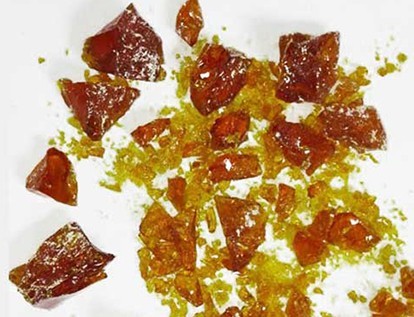
In practical applications, the correct use of RX-80 rubber softener can not only achieve its optimal effect, but also avoid many common problems. Here are a few key considerations:
-Compatibility with rubber: RX-80 rubber softener has good compatibility with most common rubbers such as natural rubber, styrene butadiene rubber, and butadiene rubber, but its compatibility may be limited in some polar rubbers such as nitrile rubber and chloroprene rubber, and its applicability needs to be determined through experiments.
-Process parameter adjustment: After adding RX-80 rubber softener, it may be necessary to adjust the vulcanization system accordingly. Due to the addition of softeners reducing the concentration of vulcanizing agents and accelerators, it may be necessary to adjust the dosage of accelerators or vulcanization conditions appropriately to achieve the desired vulcanization state.
-Multi component synergistic effect: RX-80 rubber softener is often used in conjunction with other softeners or plasticizers. For example, it can be used in conjunction with pine tar in shoe edge rubber and plasticizers in recycled rubber. In these composite systems, it is necessary to consider the synergistic or antagonistic effects of each component and optimize the proportion to achieve the best results.
-Storage and Handling: Although the storage conditions for RX-80 rubber softener are not explicitly described in the search results, resin softeners should generally be stored in a cool and dry place to avoid high temperatures and humidity. It is best to check their uniformity before use.
-Dosage and Frosting Phenomenon: Moderate use of RX-80 rubber softener can help prevent compound frosting, as it can dissolve compounds such as sulfur and stearic acid. However, excessive use may cause the softening agent to migrate or seep out, affecting the surface and adhesive properties of the product.
In summary, the optimal addition ratio of RX-80 rubber softener needs to be determined through systematic experiments based on specific applications. The dosage range of about 7 parts in shoe edge rubber, 19-21 parts in high-strength vulcanized rubber, and 16-20 parts in recycled rubber can provide preliminary reference for formula design in different application fields. The correct dosage can not only improve processing performance, but also enhance the glossiness and physical properties of the product to a certain extent, allowing RX-80 rubber softener to play multiple positive roles in rubber formulations.

 Language


 Address:Linzi District,Zibo City,Shandong Province
 E-mail:wanbang@wanbangresin.com
 WhatsApp:+8615053337101