C5 hydrogenated petroleum resin is a thermoplastic resin made from C5 fractions (mainly containing isoprene, isoprene, etc.) through polymerization, hydrogenation and other processes. Its appearance is mostly in the form of light yellow to amber color blocks or granular solids, with unique performance advantages.
In terms of physical properties,best C5 hydrogenated petroleum resin has good solubility and can be dissolved in various organic solvents; And it has excellent adhesion, which can form stable bonding layers on different material surfaces. In terms of chemical properties, it has high stability, acid and alkali resistance, oxidation resistance, and is not easily deteriorated.
This resin is widely used in the field of adhesives, which can enhance the viscosity and flexibility of adhesives; In the coatings industry, it can enhance the adhesion and glossiness of coatings; In the rubber industry, it can improve the processing performance and physical and mechanical properties of rubber. C5 hydrogenated petroleum resin has become an indispensable and important material in many industries due to its own characteristics.
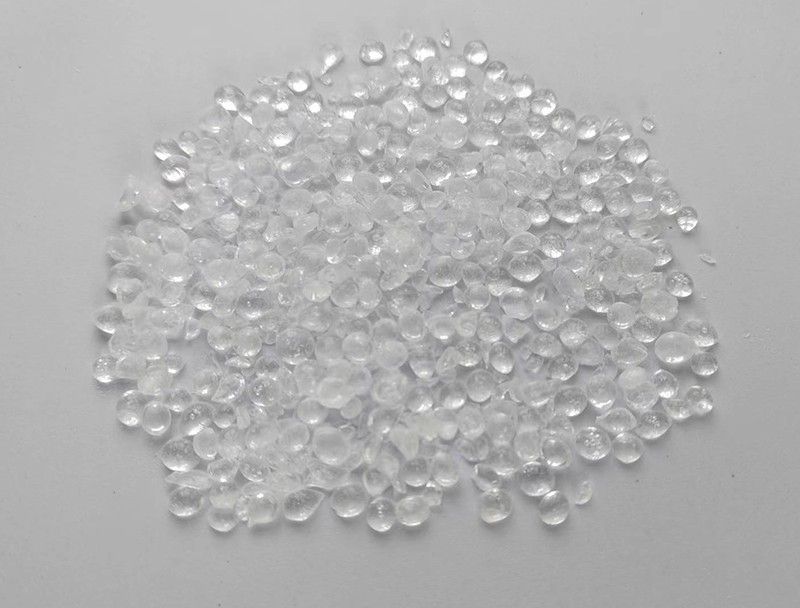
1. Tracing back to the origin: Understanding the "past life" of C5 petroleum resin
To understand C5 hydrogenated petroleum resin, we first need to understand its predecessor - C5 petroleum resin.
1. Raw material source: by-products of petroleum cracking
In the petrochemical industry chain, crude oil undergoes high-temperature cracking (mainly in ethylene units), which not only produces the well-known major olefins such as ethylene and propylene, but also produces a liquid byproduct with a low boiling point and complex composition, called "cracked C5 fraction". This fraction contains abundant olefins and dienes with 5 carbon atoms in their molecules, such as isoprene, meta pentadiene, cyclopentadiene, etc. In the past, these resources were often used as fuel and their value was not fully exploited. With the advancement of chemical technology, people have begun to separate and utilize these highly active monomers.
2. Aggregation process: from monomer to resin
Carbon five petroleum resin is produced by catalytic polymerization of fractions rich in these C5 olefins using specific catalysts such as Lewis acids. This process is similar to the production of plastics (such as polyethylene), but the degree of polymerization is relatively low, and the product obtained is not a tough plastic, but a thermoplastic resin that is solid or semi-solid at room temperature, with a color ranging from light yellow to brown. It has stable properties, excellent adhesion, water resistance, acid and alkali resistance.
However, the newborn C5 petroleum resin has some obvious defects that limit its application range:
-Dark color and strong odor: Due to the presence of unsaturated double bonds and trace impurities, its natural color is darker and has a certain odor.
-Not resistant to aging: The large number of unsaturated bonds in the molecule makes it prone to oxidation, cross-linking, or degradation under the action of heat, oxygen, and ultraviolet light, resulting in further darkening, brittleness, or stickiness of the color, and a decrease in performance.
-Limited compatibility: Poor compatibility with certain high-end polymer systems.
It is precisely to overcome these shortcomings and meet higher end application needs that best C5 hydrogenated petroleum resin has emerged.
2. Transformation and Sublimation: The "Hydrogenation" Journey of Carbon Five Resin
Hydrogenation is a key technological step in achieving a performance leap for C5 petroleum resin, which can be regarded as a magnificent transformation.
1. The chemical nature of hydrogenation
Hydrogenation, as the name suggests, is the process of introducing hydrogen gas into molten C5 petroleum resin under conditions of high temperature, high pressure, and the presence of specialized catalysts such as nickel, palladium, etc. Hydrogen molecules are activated on the surface of the catalyst and then undergo addition reactions with unsaturated carbon double bonds (C=C) on the resin molecule chains, converting them into relatively saturated carbon carbon single bonds (C-C).
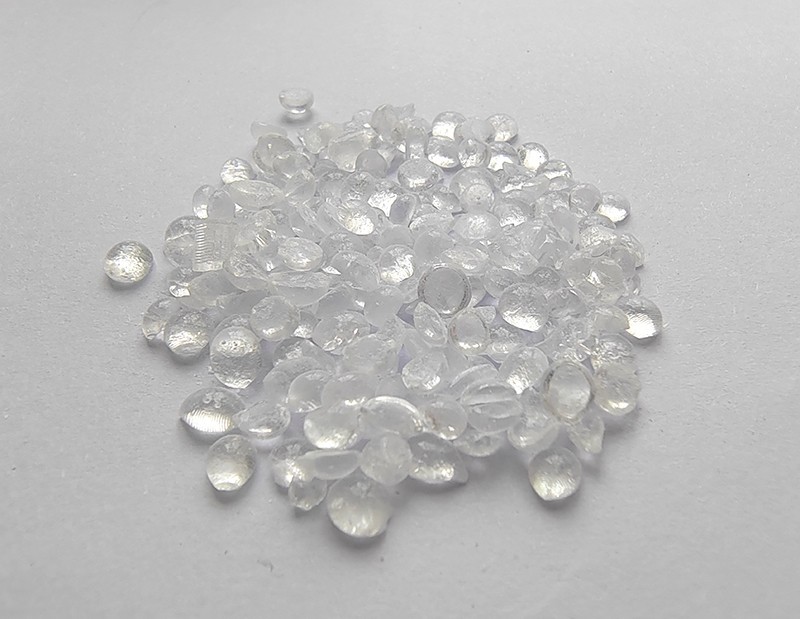
2. Revolutionary performance improvement brought by hydrogenation
This slight change in chemical structure has brought about a qualitative leap in macroscopic performance:
-Extreme lightening of color: Unsaturated double bonds are one of the main reasons for the darkening of resin color. After hydrogenation, these chromophores are eliminated, and the color of the resin becomes very light, usually water white or light yellow, meeting the needs of fields with extremely high appearance requirements, such as transparent adhesive tape and hygiene products.
-Excellent weather resistance and thermal stability: The saturated molecular structure greatly enhances the resin's ability to resist oxidation and UV attacks. The hydrogenated resin is not prone to yellowing or powdering, and can maintain stable performance and greatly extend its lifespan in long-term outdoor use or high temperature environments.
-Improved compatibility: The decrease in polarity and stability of molecular structure significantly improve its compatibility with various elastomers and plastics such as EVA (ethylene vinyl acetate copolymer), SBS (styrene butadiene styrene block copolymer), SEBS (hydrogenated SBS), etc., making the formulation design more flexible.
-Reduced odor and better biological stability: While removing unsaturated bonds, it also removes many volatile and odorous substances, making the resin almost odorless. Meanwhile, a stable structure is also less likely to breed microorganisms.
-After hydrogenation treatment, C5 petroleum resin has been successfully upgraded from a "commodity" to a high value-added fine chemical product with light color, stable performance, and wide applications - C5 hydrogenated petroleum resin.
3. Show off your skills: Application areas of best C5 hydrogenated petroleum resin
With its excellent comprehensive performance, C5 hydrogenated petroleum resin plays a core role in multiple fields of modern industry.
1. Hot melt adhesive field
This is one of the most important application markets for C5 hydrogenated petroleum resin. Hot melt adhesive is an environmentally friendly adhesive that is applied in a molten state, rapidly solidifies after cooling, and forms a bond. C5 hydrogenated petroleum resin is used as a thickening resin, and its main function is to:
-Reduce melt viscosity and improve the flowability of colloids during construction.
-Providing initial adhesion and final bonding strength is the main contributor to bonding performance.
-Adjust the heat resistance, flexibility, and cohesion of colloids.
-Thanks to its light color, odorlessness, stability, and good compatibility, it is widely used for:
Sanitary products: structural adhesive and waistband adhesive for production lines of baby diapers, women's sanitary napkins, adult incontinence products, etc.
Packaging and Binding: Food packaging, carton sealing, wireless book binding.
Wood processing: furniture edging, woodworking splicing.
Label adhesive: A self-adhesive label that requires high transparency.
2. Pressure sensitive adhesives and their products
Pressure sensitive adhesive (i.e. self-adhesive) is another important form of adhesive, and C5 hydrogenated resin is also one of its key components. It is added to the adhesive solution to enhance its adhesion to various substrates such as skin, glass, metal, and plastic (Tack). What we cannot do without in our daily lives:
-Transparent tape, sealing tape
-Medical breathable tape, adhesive tape
-Labels and stickers
-Surface protective film
Behind it all lies the contribution of C5 hydrogenated petroleum resin, ensuring that the tape can be easily adhered and cleanly peeled off when needed.
3. Rubber and tire industry
In rubber products, best C5 hydrogenated petroleum resin is used as a processing aid and thickening agent.
-Operating assistant: During the rubber mixing and molding process, it can soften the rubber material, reduce the Mooney viscosity, improve processing performance, and save energy consumption.
-Thickener: Improving the self adhesiveness and mutual adhesiveness of rubber compounds is crucial for the molding of multi-layer rubber products (such as tires), ensuring a strong bond between various components.
-Reinforcement effect: To a certain extent, it can improve the hardness and tensile stress of vulcanized rubber, playing an auxiliary reinforcement role.
Especially in the production of high-performance radial tires, the light colored and stable hydrogenated resin avoids affecting product quality due to resin discoloration, while its excellent thermal stability ensures the stability of tire performance after heat generation during high-speed driving.
4. Other high-end fields
-Coatings and inks: used as film-forming agents or modifiers in the production of high gloss, high adhesion, scratch resistant industrial coatings and high-speed printing inks.
-Polymer modification: used as a compatibilizer or toughening agent to improve the compatibility between different plastic alloys.
-Personal care products: Due to their odorless and stable characteristics, they can be used in some high-end shaving cream, hair gel and other products to thicken and shape.
4. Summary and Prospect
C5 hydrogenated petroleum resin, derived from the by-products of petroleum cracking, has undergone precise separation and key hydrogenation techniques to successfully transform into a multifunctional synthetic resin with excellent performance and environmental friendliness. It perfectly embodies the core idea of "turning waste into treasure and enhancing value" in modern fine chemical industry.

 Language


 Address:Linzi District,Zibo City,Shandong Province
 E-mail:wanbang@wanbangresin.com
 WhatsApp:+8615053337101