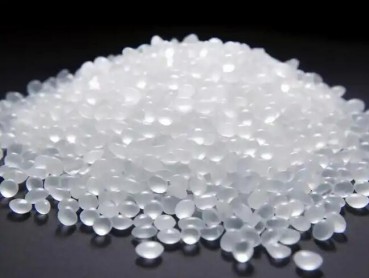
In daily life and various industrial applications, white resin has been widely used due to its unique properties and beautiful appearance. From exquisite handicrafts to practical building components, white resin products can be seen everywhere. However, many people may have the question of whether white resin will turn yellow during use? What scientific principles are hidden behind this phenomenon? Next, let's delve into the mystery of white resin turning yellow together.
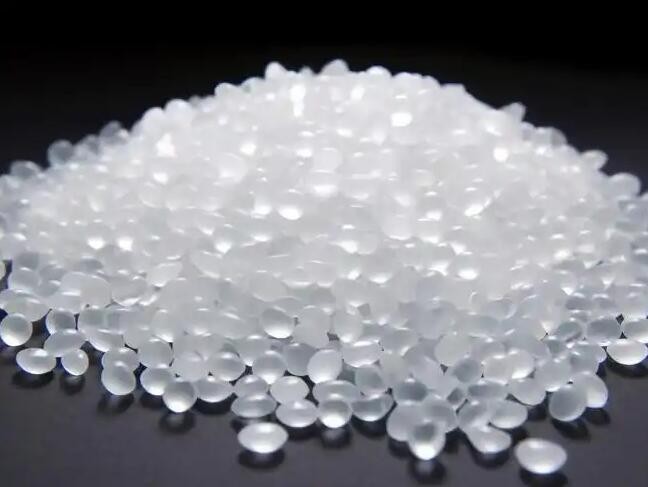
1. Common causes of yellowing of white resin
The yellowing phenomenon of white resin is mainly related to material composition, environmental factors, and processing technology. Common causes include:
1. UV irradiation: Long term exposure to sunlight can cause photooxidation reactions in the benzene ring structure of the resin, leading to molecular chain breakage and the formation of yellow conjugated structures, which is the main cause of yellowing of outdoor white resin products.
2. Oxidation reaction: Unsaturated bonds (such as double bonds) in the resin react with oxygen in the air to generate peroxides, which further decompose into yellow substances, especially accelerating in high temperature or humid environments.
3. Additive failure: Some white resins are whitened by adding titanium dioxide (TiO ₂), but the titanium dioxide may decompose under ultraviolet radiation, releasing free radicals to trigger resin degradation, resulting in a yellowish color.
4. Residual monomers: monomers that have not fully polymerized during the production process (such as styrene) continue to react during storage or use, producing yellow by-products.
2. Key factors affecting the yellowing of white resin
The speed and degree of yellowing are affected by the following conditions:
1. Resin type:
Polyester resin (UPR): Poor weather resistance, may show significant yellowing after 1-2 years of outdoor use.
Epoxy resin (EP): It has good chemical resistance, but it will still turn yellow after long-term exposure to ultraviolet radiation.
Acrylic resin (ACR): excellent weather resistance, color stability for outdoor use for more than 5 years.
2. Environmental conditions:
Temperature: For every 10 ℃ increase, the yellowing rate accelerates by 2-3 times.
Humidity: A humid environment promotes oxidation reactions and accelerates yellowing.
Pollution: Exposure to acidic or alkaline substances or oils may cause chemical yellowing.
Additive quality: High quality anti UV agents (such as hindered amine light stabilizers) can delay yellowing, but the cost is relatively high.
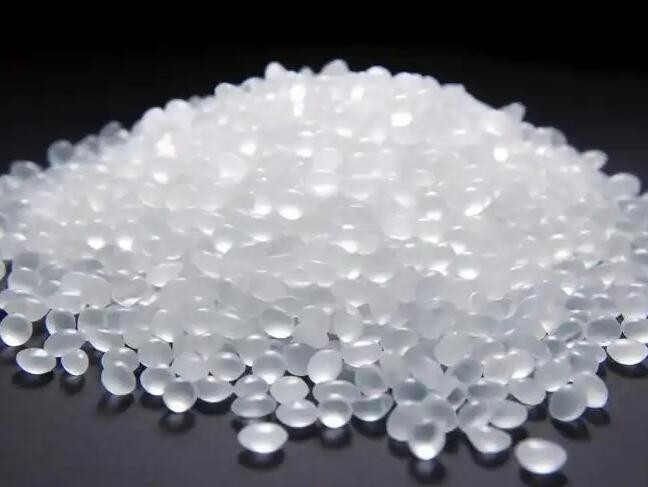
3. Methods to delay the yellowing of white resin
The following measures can effectively extend the retention period of white resin:
1. Choose weather resistant resin: Priority should be given to acrylic resin or modified resin with added nano titanium dioxide, which can improve UV resistance by more than 30%.
2. Adding antioxidants: Adding phenolic or hypophosphite antioxidants to the formula can inhibit oxidation reactions and prolong yellowing time by more than 50%.
3. Surface treatment: UV coating or coating treatment is applied to the product to form a protective layer and reduce direct contact with ultraviolet rays.
4. Storage optimization: Avoid direct sunlight, control the temperature below 25 ℃, and keep the humidity below 60%, which can significantly reduce the risk of yellowing.
When we know that white resin will turn yellow and the reasons for it, we can take targeted preventive measures. For white resin products that are frequently exposed outdoors, we can apply a layer of protective paint with sun protection function to reduce the damage of ultraviolet rays to them; In daily use, it is important to avoid contact between white resin products and strong oxidizing substances, and to maintain good ventilation in the usage environment; For some precious white resin crafts, they can be placed in sealed display cabinets and a suitable amount of desiccant can be added to prevent moisture and oxidation. As long as we take good care of it, we can maintain the white and bright appearance of white resin products for a long time.

 Language


 Address:Linzi District,Zibo City,Shandong Province
 E-mail:wanbang@wanbangresin.com
 WhatsApp:+8615053337101