 Language


More Language
Language
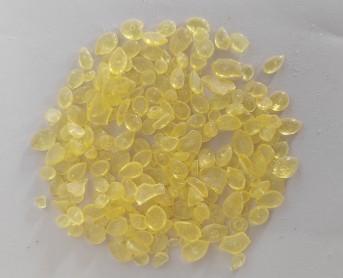
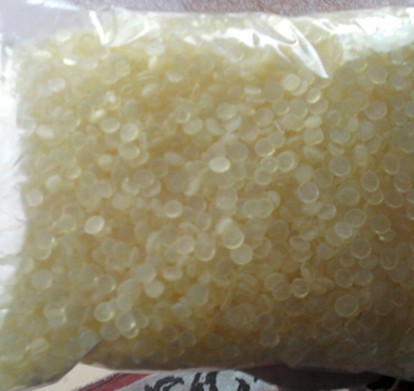
C5 hydrocarbon resin, as an important chemical raw material, has a wide range of applications in multiple fields. However, its production and use may have a certain impact on the environment. In order to improve the environmental performance of c5 hydrocarbon resin, it is necessary to start from multiple aspects and develop comprehensive environmental improvement strategies. Here are some specific strategies and methods:
Adopting renewable raw materials: Actively seeking and adopting renewable raw materials to replace traditional petroleum based materials, such as biomass based materials, in order to reduce dependence on petroleum resources and environmental pollution.
Preferred low toxicity and low harm raw materials: When selecting raw materials, priority should be given to low toxicity, low harm, and easily degradable raw materials to reduce the environmental impact of the production of c5 hydrocarbon resin from the source.
Wastewater and exhaust gas treatment: Strengthen the treatment of wastewater and exhaust gas generated during the production process to ensure compliance with emission standards. Biological treatment, chemical treatment, or physical treatment can be used to effectively remove pollutants such as organic matter and heavy metals from wastewater, as well as volatile organic compounds (VOCs) from exhaust gas.
Promote environmentally friendly applications: Actively promote the application of c5 hydrocarbon resin in the field of environmental protection, such as for the production of environmentally friendly coatings, adhesives, etc., to meet the market's demand for environmentally friendly products.
Safe disposal: Safely dispose of non recyclable waste, such as incineration, landfill, etc., to ensure that it does not cause secondary pollution to the environment. At the same time, strengthen the supervision and management of the waste disposal process to ensure compliant operations.
 Address:Linzi District,Zibo City,Shandong Province
 E-mail:wanbang@wanbangresin.com
 WhatsApp:+8615053337101
China C5 hydrogenated petroleum resin supplier : Shangdong Wanbang New Materials Co., Ltd.
C5 hydrocarbon resin manufacturer has a wide range of applications, high quality, low price, and multiple uses.Welcome to consult.