 Language


More Language
Language
With the development of modern industry, resin materials are increasingly used in fields such as coatings, adhesives, rubber, inks, plastic modification, and construction materials. Among these, C5 and C9 resins—important types of petroleum resins—have become key raw materials for many industrial products due to their excellent adhesive properties, stability, and processing adaptability.
Simply put, C5 and C9 resins are thermoplastic resins produced via polymerization using by-products of petroleum cracking as their primary raw materials. They are classified based on the dominant carbon chain structure of the feedstock: C5 resins are primarily derived from the C5 fraction, while C9 resins are primarily derived from the C9 fraction. Although both belong to the category of petroleum resins, differences in their molecular structures result in variations regarding color, softening point, tackiness, compatibility, and application areas.
Before understanding C5 and C9 resins, it is necessary to understand what petroleum resin is. Petroleum resin is a synthetic resin produced through the polymerization of unsaturated hydrocarbons generated during the petroleum cracking process. It typically exhibits the following characteristics: good adhesion, good solubility, compatibility with various materials, good thermal stability, and ease of processing.
Due to these characteristics, petroleum resins are widely used in industries such as adhesives, coatings, inks, rubber, and plastics. Depending on the raw material composition, petroleum resins mainly include: C5 petroleum resin, C9 petroleum resin, C5/C9 copolymer resin, and hydrogenated petroleum resin. Among these, C5 and C9 resins are two of the most widely used types.
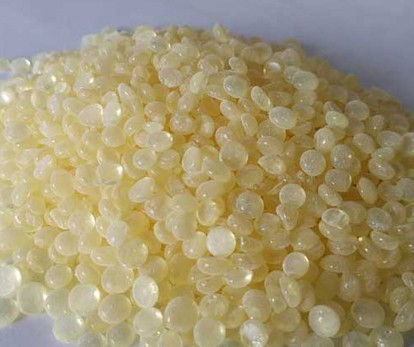
C5 resin, also known as C5 petroleum resin, is primarily produced through polymerization using the C5 fraction generated during the petroleum cracking process as the raw material. C5 fractions primarily consist of aliphatic unsaturated hydrocarbons; consequently, the resulting C5 resins typically exhibit excellent tack and flexibility.
Common characteristics of C5 resins include:
(1)Strong tack: C5 resins possess excellent initial tack and holding power, making them ideal for products requiring enhanced bonding performance.
(2)Light color: Compared to some traditional resins, C5 resins are generally lighter in color, making them suitable for products with high aesthetic requirements.
(3)Good compatibility: C5 resins are compatible with a wide range of rubbers, polymers, and adhesive systems, thereby improving product performance.
(4)Good processability: C5 resins exhibit good flow properties at certain temperatures, facilitating industrial processing.
(1)Adhesive industry: Adhesives represent a major application area for C5 resins. In products such as hot-melt adhesives and pressure-sensitive adhesives, C5 resins serve as tackifiers to enhance bonding performance. Examples include adhesives for packaging, labels, tapes, and woodworking.
(2)Rubber industry: During rubber production, C5 resins improve both processing characteristics and bonding performance. They are used in rubber products, tire auxiliary materials, and rubber compounds.
(3)Road marking paints: C5 resins are frequently used in road marking paints, where they help improve adhesion, durability, and application performance.
(4)Ink industry: In certain ink formulations, C5 resins can improve flow properties and adhesion.
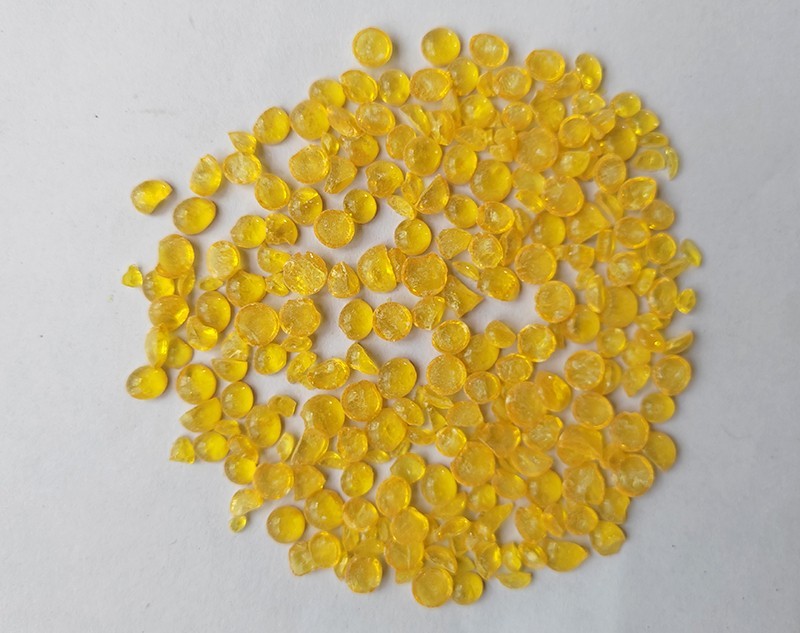
C9 resin, also known as C9 petroleum resin, is primarily produced through the polymerization of C9 fractions derived from petroleum cracking. Due to the high content of aromatic structures in the C9 feedstock, C9 resins typically exhibit high hardness, excellent gloss, and strong heat resistance.
Common characteristics of C9 resins include:
(1)High hardness: C9 resins typically possess high softening points and hardness, which can enhance the hardness and wear resistance of materials.
(2)Good gloss: Due to their aromatic structure, C9 resins can improve the gloss of certain coatings and ink products.
(3)Good heat resistance: Some C9 resins maintain stability in high-temperature environments.
(4)Strong coloring properties: C9 resins are suitable for products requiring enhanced color performance and surface aesthetics.
(1)Coatings industry: C9 resins are used in paints and industrial coatings.
They can improve: gloss, hardness, adhesion, and water resistance.
(2)Ink industry: In printing inks, C9 resins help improve ink flow and printing performance.
(3)Adhesives industry: Some C9 resins can be used as tackifiers.
(4)Rubber modification: C9 resins can improve the hardness and processing characteristics of rubber materials.
(5)Plastic modification: In certain plastic products, C9 resins serve as modifiers to enhance product performance.
Although both C5 and C9 resins are classified as petroleum resins, they differ in terms of properties and applications.
C5 resins are primarily derived from C5 fractions. C9 resins are primarily derived from C9 fractions.
C5 resins are predominantly aliphatic in structure. C9 resins contain a significant amount of aromatic structures.
C5 resins typically feature: good tack, high flexibility, and light color.
C9 resins typically feature: high hardness, good gloss, and strong heat resistance.
C5 resins are primarily used in: hot-melt adhesives, pressure-sensitive adhesives, and rubber tackifiers.
C9 resins are primarily used in: coatings, inks, plastic modification, and industrial adhesives.
Enterprises should select resins based on the intended end-use. If a product requires strong tack—such as hot-melt adhesives or pressure-sensitive adhesives—C5 resins should be considered. If the product prioritizes hardness, gloss, and heat resistance—such as certain coatings and inks—C9 resins may be more suitable.
Other factors to consider include: operating temperature, formulation system, compatibility, color requirements, and cost. Since different applications demand different resin properties, no single resin is suitable for every product.
The petroleum resin industry is evolving alongside rising environmental standards and the need for enhanced industrial product performance. Future developments for C5 and C9 resins will likely focus on: lower odor, lighter color, greater stability, improved environmental performance, and broader application ranges. Demand for high-quality petroleum resins is expected to continue growing, particularly in the sectors of high-performance adhesives, eco-friendly coatings, and advanced composite materials.
Both C5 and C9 resins are important petroleum resin products; they are manufactured from by-products of petroleum cracking and are widely used across modern industry. C5 resins are noted for their excellent tack and flexibility, making them common choices for adhesives, rubber, and road-marking paints. In contrast, C9 resins offer superior hardness, gloss, and heat resistance, making them suitable for applications such as coatings, inks, and plastic modification.
As industrial manufacturing, construction materials, and eco-friendly products continue to advance, C5 and C9 resins will play a role in an expanding range of applications. When selecting a resin product, enterprises should choose the most appropriate type based on specific application needs, performance characteristics, and processing conditions.
 Address:Linzi District,Zibo City,Shandong Province
 E-mail:wanbang@wanbangresin.com
 WhatsApp:+8615053337101
China C5 hydrogenated petroleum resin supplier : Shangdong Wanbang New Materials Co., Ltd.
C5 hydrocarbon resin manufacturer has a wide range of applications, high quality, low price, and multiple uses.Welcome to consult.