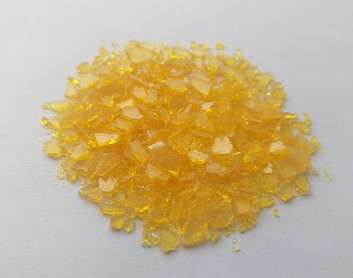
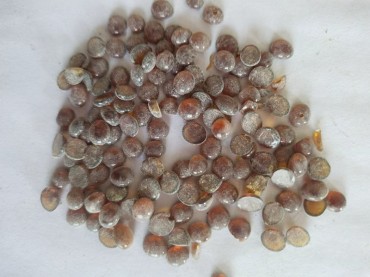
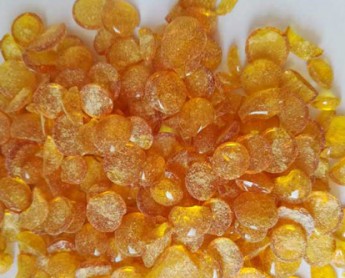
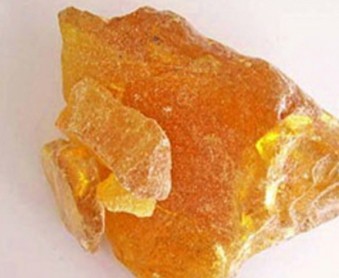
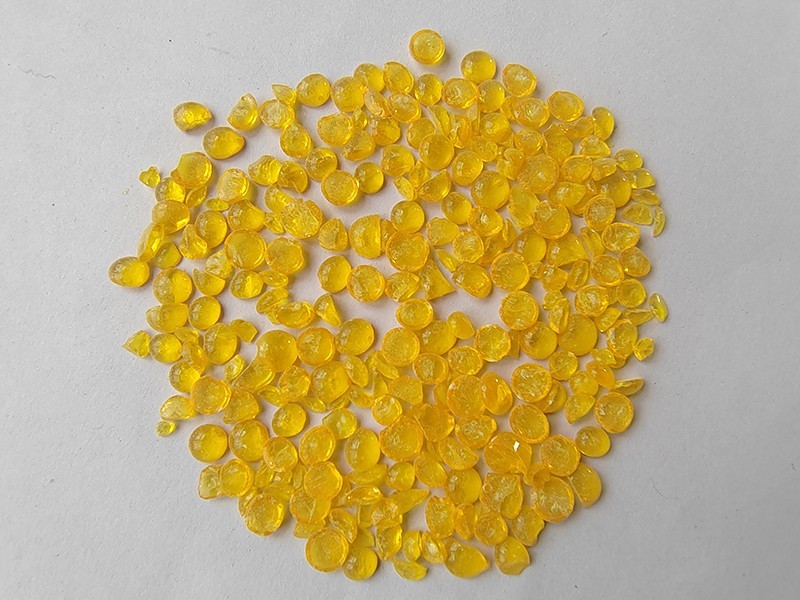
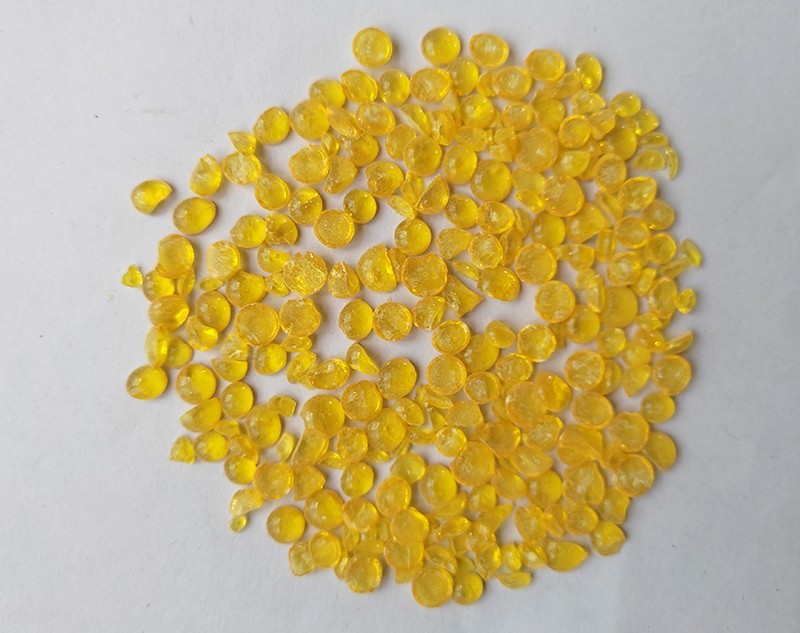
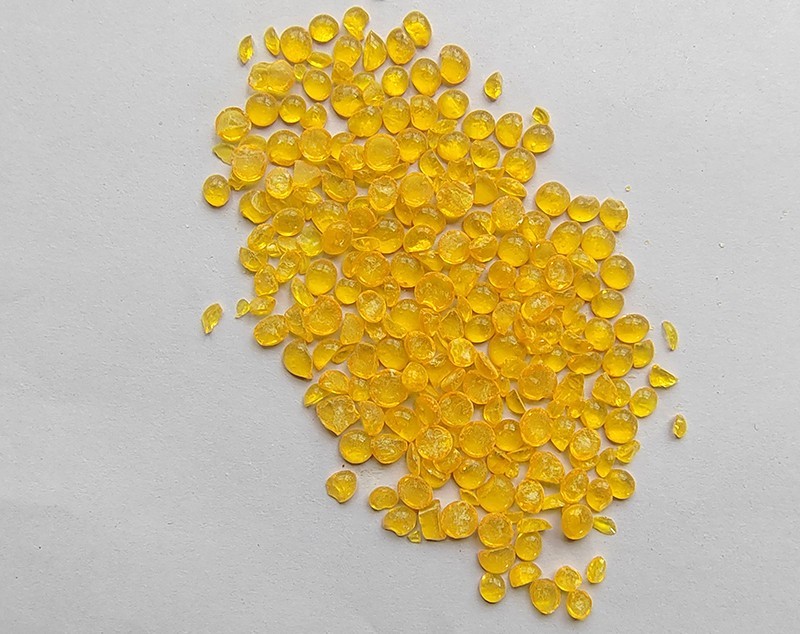
18 # C9 petroleum resin is a specific model in the C9 petroleum resin series, belonging to the category of thermoplastic resins. The "18 #" in its name usually represents the softening point range or production process number of the resin, while "C9" indicates that its raw material comes from the byproduct of petroleum cracking to produce ethylene - C9 fraction. This resin converts unsaturated hydrocarbons in C9 fractions into solid polymers through polymerization reactions, possessing unique chemical structures and physical properties.
From the perspective of molecular structure, 18 # C9 petroleum resin is mainly composed of copolymers of aromatic hydrocarbons and fatty hydrocarbons, with a small amount of double bonds and branched structures. This structure endows it with good compatibility, thermal stability, and chemical inertness, making it a core additive in various industrial fields. Compared with the universal C9 resin, the 18 # model has been optimized in terms of molecular weight distribution and branch density, making it more suitable for scenarios with strict performance requirements.
1. Key characteristics of 18 # C9 petroleum resin
1.1Physical Performance Parameters
|
Characteristic Index
|
Value Range
|
Test Standard
|
|
Softening Point (℃)
|
110 - 130
|
ASTM D36
|
|
Acid Value (mgKOH/g)
|
≤1.0
|
GB/T 264
|
|
Iodine Value (gI₂/100g)
|
20 - 40
|
GB/T 11132
|
|
Density (g/cm³)
|
0.98 - 1.02
|
GB/T 4472
|
|
Ash Content (%)
|
≤0.05
|
GB/T 9345
|
1.2 Chemical stability
18 # C9 petroleum resin exhibits excellent stability in acidic, alkaline, and neutral environments, and its aromatic ring structure can effectively resist oxidative degradation. Experimental data shows that after continuous exposure to air at 80 ℃ for 1000 hours, its quality loss rate is less than 2%, significantly better than similar products.
1.3 Compatibility advantages
This resin has good compatibility with natural rubber, synthetic rubber (SBR, BR, etc.), EVA resin, and various plasticizers. In the adhesive formula, 18 # C9 petroleum resin can form a synergistic effect with terpene resin and rosin resin, significantly improving the bonding strength and weather resistance.
2. Core application areas of 18 # C9 petroleum resin
2.1 Adhesive Industry
As a key component of hot melt adhesive and pressure-sensitive adhesive, 18 # C9 petroleum resin can adjust the initial adhesion and holding strength of colloids. Its high softening point characteristic enables the adhesive to maintain stable performance in high temperature environments, and is widely used in packaging materials, label bonding, and automotive interior assembly fields.
2.2 Rubber processing field
In tire manufacturing, 18 # C9 petroleum resin can be used as a tackifier to enhance the bonding strength between the tread rubber and the ply layer, while improving the flowability and processability of the rubber material. Experiments have shown that adding 5% of this resin can increase tire wear resistance by 15% and reduce rolling resistance by 8%.
2.3 Ink Manufacturing
As an important component of the binder, 18 # C9 petroleum resin can adjust the drying speed and glossiness of ink. Its low acid value characteristic can avoid corrosion of printing substrates, especially suitable for high demand scenarios such as food packaging.
2.4 Coating Industry
In epoxy and polyurethane coatings, 18 # C9 petroleum resin as a modifier can enhance the flexibility and impact resistance of the coating. Its compatibility with resin matrix is better than traditional plasticizers, which can effectively prevent coating cracking and peeling.
3. Production process of 18 # C9 petroleum resin
3.1 Raw material pretreatment
The C9 fraction needs to undergo distillation separation to remove heavy and light components, and obtain refined raw materials with C9 aromatic content ≥ 85%. This step directly affects the purity and performance stability of the final product.
3.2 Control of polymerization reaction
Using cationic polymerization process, the reaction temperature (80-120 ℃) and residence time (2-4 hours) are controlled under the action of catalyst. By adjusting the dosage of the initiator, the molecular weight distribution of the resin can be precisely controlled.
3.3 Post processing technology
The polymerization product undergoes steps such as deactivation, water washing, and distillation to remove catalyst residues and unreacted monomers, and then the finished product is obtained by granulation or crushing. The 18 # model usually adopts micronization treatment, with particle size controlled within the range of 50-100 mesh.
4. Key points for quality control of 18 # C9 petroleum resin
4.1 Key testing items
Softening point: determined by the global method, with an error range of ± 2 ℃
Chromaticity: graded according to Gardner color scale, with a requirement of ≤ 8 levels
Thermal stability: Color change ≤ 2 levels after heating at 180 ℃ for 4 hours
Mechanical impurities: detected through a 200 mesh sieve, residual amount ≤ 0.1%
4.2 Common Quality Issues
Softening point fluctuation: often caused by changes in raw material composition or uncontrolled polymerization temperature
Excessive chromaticity: usually related to catalyst residue or oxidative degradation
Poor compatibility: may be due to wide molecular weight distribution or abnormal branched structure
4. Market Development Trends of 18 # C9 Petroleum Resin
With the increasingly strict environmental regulations, low VOC (volatile organic compound) type 18 # C9 petroleum resin has become a research and development focus. By improving the polymerization process and post-treatment technology, some companies have controlled the VOC content of their products below 50g/L, meeting the requirements of the EU REACH regulation.
In terms of expanding application areas, 18 # C9 petroleum resin is gradually penetrating into emerging fields such as new energy battery materials and 3D printing consumables. Its unique thermal stability and chemical inertness make it an ideal modifier for lithium battery separator coatings and photosensitive resins.
18 # C9 petroleum resin, as a high-end product in the C9 series, has become an indispensable functional material in modern industry due to its excellent physical and chemical properties and wide application adaptability. With the continuous optimization of production processes and the continuous expansion of application fields, this product will play a greater role in promoting industrial upgrading and achieving green manufacturing. In the future, with breakthroughs in new material technology, 18 # C9 petroleum resin is expected to develop more high-performance derivatives to meet increasingly stringent market demands.

 Language


 Address:Linzi District,Zibo City,Shandong Province
 E-mail:wanbang@wanbangresin.com
 WhatsApp:+8615053337101