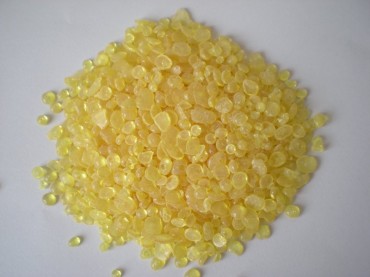
Against the backdrop of continuous fluctuations in the chemical materials market, thickening resins, as key additives in industries such as coatings, inks, adhesives, etc., have always had a price trend that affects the nerves of upstream and downstream enterprises in the industry chain. Recently, due to multiple factors such as rising raw material costs, adjustments in supply and demand, and industry technological upgrades, the market China thickening resin price have shown significant differentiation, with some products reaching new highs this year, attracting widespread market attention.
1. Cost structure: dual impact of raw materials and processes
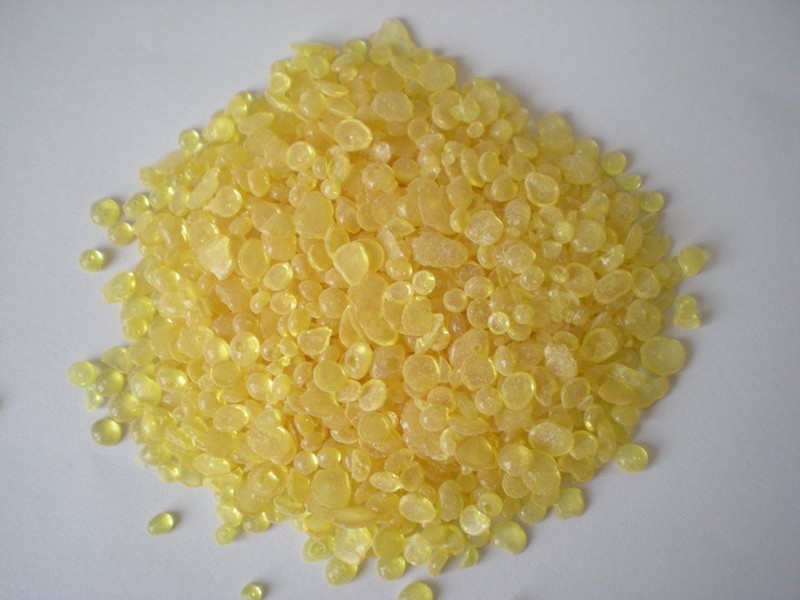
1. Proportion of raw material cost
The main raw materials for China thickening resins include acrylic acid, polyurethane, cellulose ether, etc., and their price fluctuations directly affect the cost of end products. For example:
(1)Acrylic thickening resin: The raw material acrylic monomer accounts for 60% -70% of the production cost. In 2023, the global price of acrylic acid rose by 15% due to the European energy crisis, driving the price of acrylic China thickening resin to rise synchronously.
(2)Polyurethane thickening resin: dependent on isocyanate (MDI/TDI) supply. In 2024, MDI prices decreased by 8% due to the release of domestic production capacity, leading to a 5% -8% drop in polyurethane thickening resin prices.
(3)Cellulose ether thickening resin: Natural fibers such as cotton short fibers account for over 50% of the cost, and are significantly affected by agricultural policies and climate. By 2025, the domestic price of cotton short fibers will increase by 12%, driving the price of cellulose ether China thickening resin to increase by 6%.
2. Differences in production processes
The impact of different process routes on costs is significant:
(1)Solution polymerization: low equipment investment, but high solvent recovery cost, suitable for small batch production, product price is 10% -15% higher than lotion polymerization.
(2)Lotion polymerization: the advantages of large-scale production are obvious, and the unit cost is low, but the stability of lotion needs to be controlled, and the price fluctuation is small.
(3)Biobased process: using renewable raw materials (such as starch derivatives), with a cost 20% -30% higher than petrochemical based processes, but in line with environmental trends, the premium space is gradually expanding.
2. Market dynamics: supply-demand relationship and regional differences
1. Demand driven
In the field of architectural coatings, it is expected that the domestic production of architectural coatings will increase by 6% by 2025, driving up the demand for water-based China thickening resins by 8%, and prices will rise by 3% -5% due to demand.
In the field of packaging printing, the demand for thickening resins for flexographic printing is growing at an average annual rate of 10%, driving the price of polyurethane thickening resins to stabilize in the range of 120000 to 150000 yuan/ton.
In the field of new energy, there is an explosive demand for China thickening resin for lithium battery separator coating. By 2025, the market size will exceed 500 million yuan, and the price of high-purity products will reach over 200000 yuan/ton.
2. Supply side changes
(1)Domestic production capacity expansion: In 2024, an additional 150000 tons/year of acrylic China thickening resin production capacity will be added, and the industry's operating rate will increase to 75%. Price competition will intensify, and the prices of mid to low end products will decrease by 5% -8%.
(2)Import dependence: The proportion of high-end polyurethane thickening resin imports still exceeds 40%, and due to the rise in international shipping costs, the prices of imported products are 15% -20% higher than domestic ones.
(3)Regional price differences: Due to the concentration of the industrial chain, prices in East China are 3% -5% lower than those in South China; Due to high logistics costs, prices in the western region have increased by 5% -8%.
Looking ahead, the market China thickening resin price will still be influenced by factors such as the stability of raw material supply, the strength of environmental policies, and changes in downstream industry demand. Enterprises need to closely monitor market trends, optimize procurement strategies, and increase investment in technological innovation to cope with the challenges brought by price fluctuations. Against the backdrop of accelerated industry reshuffle, enterprises with cost advantages and differentiated products are expected to stand out and lead the thickening resin market towards a new stage of high-quality development.

 Language


 Address:Linzi District,Zibo City,Shandong Province
 E-mail:wanbang@wanbangresin.com
 WhatsApp:+8615053337101