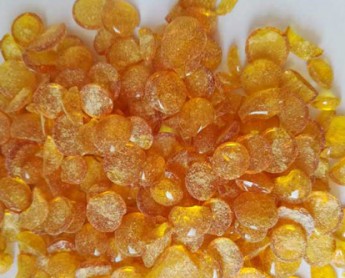
In the field of new chemical materials, thermal polymerization petroleum resin, as an important basic raw material, has always been highly regarded for its polymerization process. It mainly uses cracked C9 fraction as raw material and produces thermoplastic resin through high-temperature polymerization process. The following is a detailed introduction to the thermal polymerization process of petroleum resin:
1. Process principle
The polymerization reaction of thermal polymerization petroleum resin is mainly based on the Diels Alder reaction principle. Under high temperature conditions, the olefin or cyclic olefin molecules in the C9 fraction form high molecular weight polymers through addition reactions.
2. Process characteristics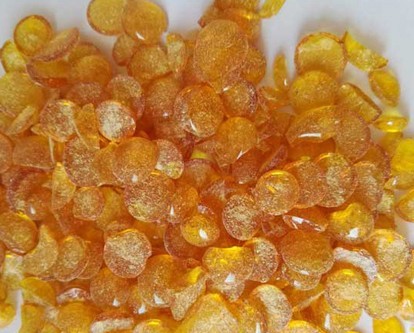
1. No need for catalyst: The polymerization process of thermal polymerization petroleum resin does not require the addition of catalyst, thus avoiding the problems of catalyst residue and wastewater treatment, simplifying the production process, and reducing production costs.
2. Simple and economical process: Due to the absence of catalysts, the production process of thermal polymerization petroleum resin is relatively simple, with low equipment requirements, making it suitable for large-scale industrial production.
3. Deep color of the product: Due to the lack of catalyst participation in the thermal polymerization process, the color of the resin may be darker, which to some extent limits its application in certain fields that require higher color requirements.
3. Process flow
The polymerization process of hot polymerized petroleum resin mainly includes the following steps:
1. Raw material pretreatment: Refine the C9 fraction to remove impurities and unstable components, ensuring the quality of the raw materials.
2. Aggregation reaction: Add the pre treated C9 fraction into the reaction kettle, heat it to a certain temperature (usually between 473~553K), and maintain it for a certain period of time to cause polymerization reaction of olefin or cyclic olefin molecules.
3. Product separation: After the reaction is complete, unreacted raw materials and low molecular weight by-products are separated from the product through distillation or stripping methods to obtain thermal polymerization petroleum resin.
4. Post treatment: Further refining of the obtained thermal polymer petroleum resin, such as decolorization, deodorization, etc., to improve its quality and application performance.
4. Technological advantages
1. Environmental friendliness: The production process of thermal polymerization petroleum resin does not require catalysts, avoiding wastewater discharge and catalyst residue issues, and meets environmental protection requirements.
2. Low cost: The raw materials are sourced from by-products of petroleum cracking, which have lower costs, simple production processes, and less equipment investment, reducing production costs.
3. Excellent performance: Thermally polymerized petroleum resin has excellent physical and chemical properties, such as high thermal stability, water and acid resistance, high transparency and glossiness, etc., and is widely used in coatings, inks, rubber, adhesives and other fields.
In summary, the polymerization process of thermal polymerization petroleum resin is a simple, economical, and environmentally friendly production method, and its products have broad application prospects in multiple fields.

 Language


 Address:Linzi District,Zibo City,Shandong Province
 E-mail:wanbang@wanbangresin.com
 WhatsApp:+8615053337101