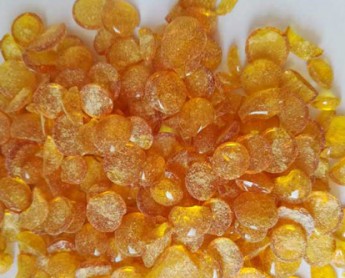
Recently, with the widespread application of thermoplastic resins in various fields such as chemical engineering, rubber, coatings, etc., the issue of raw material sources has attracted widespread attention in the industry. As an important synthetic resin material,
thermal polymerization petroleum resin is mainly produced from by-products of petroleum cracking. This discovery provides more information about the production background and supply chain management of thermal polymerization petroleum resin for the industry.
Thermoplastic petroleum resin, as a type of thermoplastic resin, is highly favored in the market due to its unique properties and wide range of applications. And the raw material for this resin is the C9 fraction produced during the petroleum cracking process. Petroleum cracking is an important process in petroleum processing, which converts heavy petroleum into light petroleum products and various chemical raw materials under high temperature and pressure conditions. In this process, C9 fraction is separated as a byproduct and becomes a valuable raw material for the production of thermal polymerization petroleum resin.
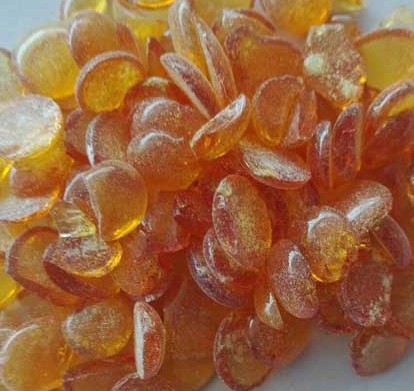
The C9 fraction is mainly composed of nine carbon atom olefins or cyclic olefins, which have abundant unsaturated bonds and provide a good chemical basis for the production of thermal polymerization petroleum resins. Through pre-treatment, polymerization, distillation and other processes, C9 fraction is converted into thermal polymerization petroleum resin, which not only achieves effective utilization of resources but also promotes the development of the chemical industry.
With its excellent performance, such as good solubility, compatibility, water resistance, chemical stability, etc., it plays an important role in various fields such as coatings, adhesives, rubber, etc. With the increasing demand for high-performance and environmentally friendly materials in the market, the market prospects of thermal polymerization petroleum resin will become even broader.
However, with the increasing scarcity of petroleum resources and the continuous improvement of environmental protection requirements, how to efficiently utilize C9 fractions to produce thermal polymerization petroleum resins, as well as develop more environmentally friendly and sustainable production processes, has become an urgent problem to be solved in the industry. In the future, we have reason to believe that through technological innovation and industrial upgrading, the production of thermal polymerization petroleum resin will be more environmentally friendly and efficient, making greater contributions to the sustainable development of the chemical industry.

 Language


 Address:Linzi District,Zibo City,Shandong Province
 E-mail:wanbang@wanbangresin.com
 WhatsApp:+8615053337101