


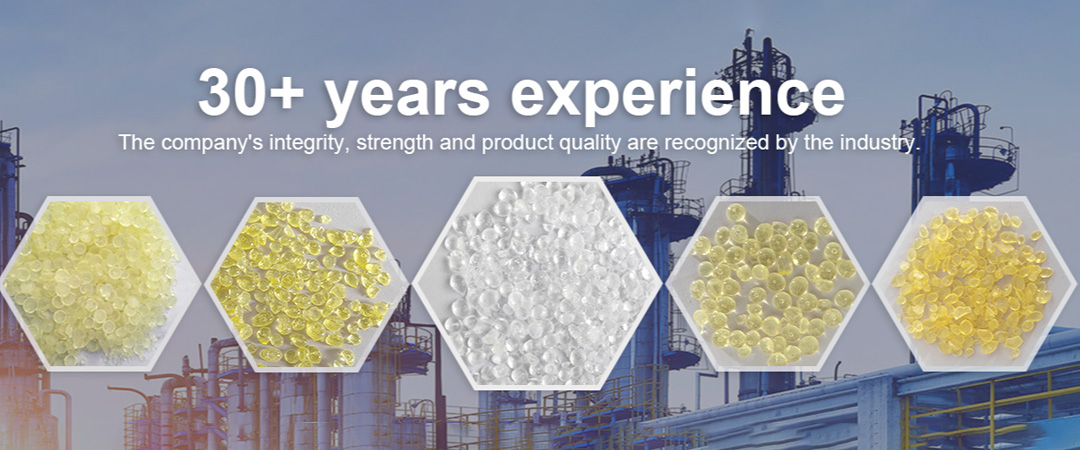
The difference between C5 hydrocarbon resin and C9 resin
This is a common topic in the chemical and adhesive industries. Both C5 and C9 resins are hydrocarbon resins produced by polymerizing by-products from petroleum cracking. However, they have significant differences in their raw materials, properties, and applications.
In a nutshell:
-
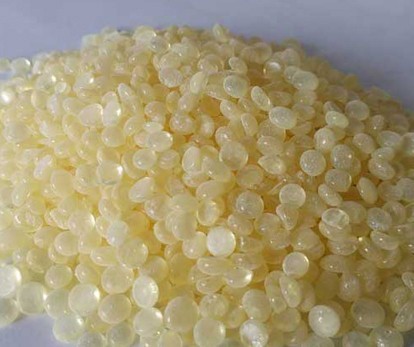
C5 Hydrocarbon Resin: Softer, more flexible, lighter in color, with good compatibility. Primarily used for tackifying and toughening.
-
C9 Resin: Harder, more brittle, darker in color, with slight polarity. Primarily used to increase hardness and cohesive strength.
Below is a detailed comparison table and explanation.
Core Differences Comparison Table
| Feature | C5 Hydrocarbon Resin | C9 Resin |
|---|---|---|
| Primary Raw Material | C5 fraction from ethylene cracking (e.g., pentene, isoprene, piperylene) | C9 fraction from ethylene cracking (e.g., indene, methylstyrene, α-methylstyrene, vinyltoluene) |
| Chemical Structure | Primarily aliphatic (chain-like), non-polar | Primarily aromatic (benzene ring), with some polarity |
| Color | Very light, typically water-white to pale yellow | Darker, yellow to reddish-brown |
| Softening Point | Broad range, from low to high | Typically medium to high |
| Compatibility | Excellent with non-polar or low-polarity systems like natural rubber, SBS/SIS (for hot-melt adhesives), EVA | Fair with SBS/EVA; better with more polar systems like SBR, CR, and some paint/coating formulations |
| Key Properties | High elasticity, low odor, good aging resistance, light color, moderate cohesion | High tack, high hardness, brittle, good heat/chemical resistance |
| Primary Function | Tackifying and toughening; maintains flexibility, reduces permanent deformation | Hardening, reinforcing, tackifying; improves cohesive strength and quick stick |
| Typical Applications | High-end uses: Hot-melt adhesives, pressure-sensitive adhesives, hygiene products, road marking paints, rubber products (light or colorless) | General/industrial uses: Tire rubber, adhesive tapes, coatings, inks, sealants |
Detailed Explanation
1. Different Raw Materials & Structure
-
C5 Hydrocarbon Resin: Derived from the "C5 fraction" of petroleum cracking. Main components are aliphatic hydrocarbons and olefins with 5 carbon atoms (e.g., isoprene). Its polymer backbone is aliphatic, making it a non-polar resin.
-
C9 Resin: Derived from the "C9 fraction". Main components are aromatic hydrocarbons with 9 carbon atoms (e.g., indene, methylstyrene). Its polymer structure contains many benzene rings, making it a low to medium polarity resin.
This is the root cause of all differences. The chemical structure determines their fundamental properties.
2. Different Physical & Chemical Properties
-
Color & Odor: C5 resin is very light in color (water-white) with a low odor, offering better environmental performance. C9 resin is darker with a relatively stronger odor.
-
Flexibility vs. Hardness: C5 resin imparts better flexibility, elasticity, and lower permanent deformation to a compound. C9 resin makes a compound harder and more brittle, but with higher cohesive strength (shear resistance).
-
Compatibility: This is a key factor in resin selection.
-
C5 resin is perfectly compatible with non-polar materials like natural rubber, polyolefins, EVA, and SBS/SIS thermoplastic elastomers.
-
C9 resin shows better compatibility with materials containing benzene rings or having slightly higher polarity, such as SBR (styrene-butadiene rubber), CR (polychloroprene), and some coating/ink systems.
-
-
Aging Resistance: The aliphatic structure of C5 resin is more stable, generally offering better weather resistance and thermal-oxidative aging resistance than C9 resin. The benzene rings in C9 resin are prone to yellowing and degradation under UV light.
3. Different Application Areas (The Ultimate Basis for Selection)
-
Applications of C5 Resin (Focus on "Soft" and "Light"):
-
High-end Hot-Melt & Pressure-Sensitive Adhesives: Used in sanitary napkins, diapers, labels, tapes, etc., where requirements include colorlessness, low odor, softness, and high elasticity.
-
Rubber Products: Used in light-colored or colored tire sidewalls, shoe materials, and rubber parts to provide tack without affecting color or elasticity.
-
Road Marking Paints: Provides high weather resistance and fast drying.
-
Polymer Modification: Acts as a tackifier and plasticizer for elastomers like SBS.
-
-
Applications of C9 Resin (Focus on "Hard" and "Strong"):
-
Tire Rubber: The most important application. Acts as a reinforcing agent and tackifier, improving the strength, wear resistance, and grip of tread compounds.
-
General-Purpose Adhesives & Sealants: Such as construction sealants and contact adhesives, providing initial tack and cohesive strength.
-
Paints & Coatings: Used as a low-cost hard resin to increase film hardness, gloss, and drying speed.
-
Printing Inks: Used in fast-drying inks to improve adhesion.
-

-
How to Choose?
Consider the following questions when selecting:
-
What is the base material? (Choose the best compatibility)
-
What properties are needed in the final product? (Soft and elastic, or hard and strong?)
-
Are there requirements for color and odor? (Food packaging and hygiene products require light-colored C5)
-
What is the cost budget? (C9 resin is typically lower in cost than C5 resin)
In recent years, many copolymerized or modified varieties have emerged, such as C5/C9 copolymer resins, which combine the flexibility and light color of C5 with the high tack and fast drying of C9, offering more flexible application possibilities.
Simple Summary:
Think of C5 as a "soft tackifier" for high-end applications requiring elasticity and light color. Think of C9 as a "hard reinforcing agent" for general industrial applications requiring strength and hardness.


