 Language


More Language
Language
With the continuous development of industries such as adhesives, rubber, coatings, inks, and road markings, there is a growing demand for functional materials that offer excellent bonding properties, compatibility, and stability. Among the various petroleum resin products available, C5 resin—an aliphatic petroleum resin—is widely used due to its excellent tackifying properties, good thermal stability, and compatibility. It finds extensive application in hot-melt adhesives, pressure-sensitive adhesives, rubber processing, coatings, and road markings.
For purchasers encountering this material for the first time, understanding what C5 resin is, how it is produced, its properties, and its suitable applications is essential for making the right product choice. The following sections introduce C5 resin by covering its basic definition, raw materials, key properties, and application areas.
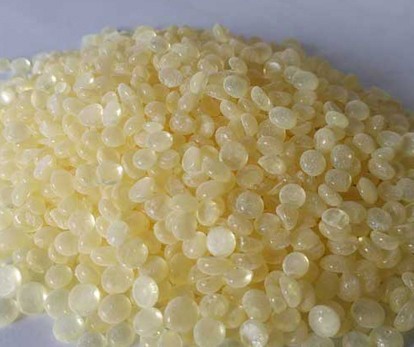
C5 resin, also known as aliphatic petroleum resin, is a type of thermoplastic resin material produced through processes such as polymerization and refining, using C5 fractions derived from petroleum cracking as the primary raw material.
The "C5" designation refers primarily to the number of carbon atoms in the raw material. Petroleum cracking generates hydrocarbon fractions with varying carbon chain lengths; the C5 fraction contains several reactive components. Through appropriate separation and polymerization, these components are transformed into petroleum resins with specific molecular weights and softening points.
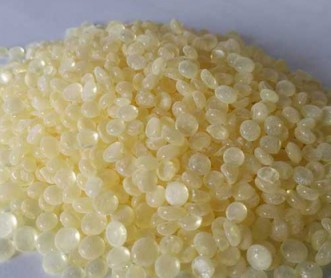
Compared to natural resins, C5 resin offers more consistent composition and performance, thereby meeting modern industrial requirements for batch-to-batch stability and processability. C5 resin typically appears as light yellow to yellow granules, flakes, or solid blocks, with specific colors and physical forms varying according to the production process and product grade.
The production of C5 resin typically utilizes C5 fractions—by-products of petroleum cracking—as the primary raw material.
In petrochemical manufacturing, feedstocks such as naphtha undergo high-temperature cracking to produce ethylene, propylene, and various by-products containing low-carbon-number hydrocarbons. Separation processes are then used to isolate the specific C5 fractions.
Following pretreatment, the C5 raw material enters the polymerization reaction stage. Under specific temperature and catalytic conditions, the reactive components undergo polymerization to form low-molecular-weight polymers with a defined molecular structure. Subsequent processing steps—such as post-treatment, removal of volatile substances, filtration, and granulation—yield the final C5 resin product.
Different production processes influence properties such as softening point, color, molecular weight, melt viscosity, and compatibility; consequently, C5 resins from different manufacturers may exhibit varying product specifications.
One of the most notable characteristics of C5 resin is its excellent tackifying performance.
In adhesive systems, C5 resin can be combined with base polymers and other components to enhance the adhesive's ability to wet the substrate and improve overall adhesion. Therefore, it is frequently used as a tackifying resin. Additionally, C5 resin generally exhibits good compatibility. It can be blended with various synthetic rubbers, thermoplastic elastomers, and other polymer systems, offering greater flexibility in formulation adjustments.
C5 resin also possesses favorable thermoplastic processing characteristics. It softens and blends with other raw materials when heated, making it suitable for hot-melt adhesives and other products requiring heat-based processing. Furthermore, C5 resin is relatively light in color, making it appropriate for adhesives, coatings, and inks that have strict color requirements.
Hot-melt adhesives are solid at room temperature; upon heating, they melt and become fluid, allowing them to be applied to a surface where they cool and form a bond. Because they do not require the large amounts of organic solvents found in traditional solvent-based adhesives, hot-melt adhesives are widely used in industries such as packaging, labeling, hygiene products, and woodworking. In hot-melt adhesive formulations, C5 resin typically serves as a tackifying component, improving the adhesive's bonding and wetting properties. Depending on the specific formulation, C5 resin can be combined with base polymers—such as EVA, SIS, and SBS—as well as other materials like waxes and antioxidants. Different hot-melt adhesive products have varying requirements regarding softening point, melt viscosity, initial tack, and holding power; therefore, it is necessary to select a C5 resin that demonstrates good compatibility with the base polymer.
In certain rubber formulations, petroleum resin can serve as a tackifier or an auxiliary modifying agent. It improves adhesion between the rubber and other materials and helps adjust the processing characteristics of the rubber compound. For instance, C5 resins may be used in specific tires, rubber products, and adhesive systems depending on formulation requirements. However, as different rubber systems have varying compatibility requirements, the selection of C5 resin must be validated through testing that considers the rubber type, formulation structure, and desired final performance.
Road marking materials require good abrasion resistance, strong adhesion, and a certain level of weather resistance. C5 resin can function as a resin component or modifier in certain road marking coatings, helping to improve adhesion between the material and the road surface. It is a crucial component influencing product performance, particularly in hot-melt road marking coatings. Since road markings are subjected to prolonged exposure to sunlight, rain, vehicular traffic, and temperature fluctuations, appropriate formulations and raw materials must be selected based on actual road conditions.
In ink formulations, resins influence properties such as adhesion, gloss, drying speed, and pigment dispersion. Proper resin selection can enhance printing performance on various substrates. C5 resin can also be used as a modifier or resin component in certain coatings. Given the significant compositional differences among coating systems, the suitability of C5 resin must be determined through compatibility and performance testing.
When purchasing petroleum resins, users often compare C5 resin with C9 resin. The primary differences between the two stem from their raw materials and molecular composition. C5 resins are primarily produced from feedstocks derived from the C5 fraction; consequently, they typically exhibit excellent tackifying properties and good compatibility with aliphatic systems. In contrast, C9 resins are mainly derived from C9 aromatic fractions, offering distinct characteristics regarding color, softening point, aromaticity, and compatibility with various polymers.
In short, while C5 resins are generally prized for their superior tackifying performance, C9 resins offer specific advantages in certain formulations for coatings, inks, rubber, and other industrial applications. Additionally, the market offers C5/C9 copolymer resins and hydrogenated petroleum resins, allowing for selection based on specific application requirements.
When purchasing C5 resins, one should look beyond the product name and focus on specific technical parameters. The first key factor is the softening point, which influences the resin's operating temperature and the performance of the final product. Color is another critical factor, particularly for light-colored adhesives, inks, and coatings. Other important parameters include acid value, melt viscosity, ash content, bromine value, and compatibility. Requirements for these metrics can vary significantly depending on the application.
For instance, hot-melt adhesive manufacturers might prioritize compatibility with polymers such as EVA, SIS, or SBS, whereas road marking manufacturers might focus more on softening point, color, and heat resistance. Therefore, before making a purchase, it is advisable to conduct sample testing based on the final product formulation rather than judging resin quality solely on a single parameter.
As C5 resins are typically supplied in solid form, packaging integrity must be maintained during storage, and prolonged exposure to high temperatures, humidity, or contaminants should be avoided. Products should be stored and transported in accordance with the technical specifications and Safety Data Sheets (SDS) provided by the supplier. Packaging options may include bags, paper sacks, or other formats suitable for industrial transport. During actual operations, attention should also be paid to warehouse ventilation and fire safety requirements, and chemical raw materials must be managed in compliance with local regulations.
Overall, C5 resin is a significant aliphatic petroleum resin produced through polymerization and post-processing, primarily using C5 fractions derived from petroleum cracking. Thanks to its excellent tackifying properties, compatibility, and processability, it is widely used in applications such as hot-melt adhesives, pressure-sensitive adhesives, rubber products, road markings, inks, and certain coatings.For C5 resin purchasers, understanding basic product properties is merely the first step. Different applications impose varying requirements regarding parameters such as softening point, color, compatibility, and melt viscosity; therefore, product selection necessitates a comprehensive evaluation based on specific formulations and intended end-uses.
As the industries for adhesives, road markings, rubber products, and other polymer materials continue to evolve, there remains significant market potential for C5 resin applications. Selecting the appropriate product grade and a reliable supply source enables manufacturers to better control product quality and ensure production stability.
 Address:Linzi District,Zibo City,Shandong Province
 E-mail:wanbang@wanbangresin.com
 WhatsApp:+8615053337101
China C5 hydrogenated petroleum resin supplier : Shangdong Wanbang New Materials Co., Ltd.
C5 hydrocarbon resin manufacturer has a wide range of applications, high quality, low price, and multiple uses.Welcome to consult.