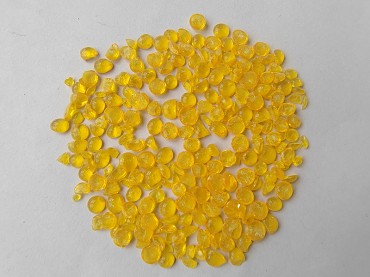
With the advancement of China’s carbon peaking and carbon neutrality strategy and the continuous strengthening of environmental supervision,low‑carbon production,green manufacturing and clean emission have become an inevitable trend for industrial transformation and upgrading in all industries.Traditional solvent‑based resins have problems such as high VOC content,strong pungent odor,volatile harmful substances and air and water pollution during production and application.They not only endanger the health of production personnel but also fail to pass environmental assessment and acceptance,and are gradually phased out by the market.As a new‑generation green polymer industrial raw material,
Environmentally friendly resin is widely used in coatings,adhesives,composite materials,anti‑corrosion engineering,floor building materials,electronic packaging and many other fields by virtue of its advantages such as low pollution,non‑toxicity,stable performance and wide adaptability,helping industrial production achieve green,standardized and sustainable development.

I.Core Environmental Characteristics of Environmentally friendly resin
Environmentally friendly resin is a polymer synthetic material improved by formula and optimized by processes.Strict environmental standards are adopted in the whole process including raw material selection,synthetic reaction and auxiliary agent selection to eliminate harmful pollutants from the source.Such resins generally feature low VOC,formaldehyde‑free,heavy‑metal‑free and non‑pungent odor,with extremely low discharge of waste water and waste gas during production,causing no damage to the surrounding ecological environment.
In practical application,they remain stable after curing without volatilizing toxic and harmful substances or causing secondary pollution to soil and water sources.Some food‑grade and drinking‑water‑grade environmentally friendly resins can also be applied in anti‑corrosion and protection scenarios contacting water environments.Compared with traditional resins,environmentally friendly resins have remarkable advantages of being green and pollution‑free,fully complying with national industrial environmental testing standards and serving as safe industrial raw materials for modern production.
II.Excellent Application Performance of Environmentally friendly resin
Besides environmental‑friendly properties,Environmentally friendly resin has outstanding physical and chemical properties to meet industrial production requirements in various scenarios.It boasts strong adhesion,moderate curing speed,dense and uniform film formation,excellent resistance to acid,alkali,salt spray and weathering,as well as prominent anti‑aging and anti‑yellowing effects.When used in anti‑corrosion coatings and industrial bonding,it has a longer service life and more stable protection performance.
Meanwhile,its flexibility and hardness can be flexibly adjusted to adapt to different working conditions such as bonding of soft materials,pouring of hard floors and construction of wear‑resistant protective layers.It also has good high‑temperature resistance,waterproof and moisture‑proof performance,and can work stably in humid,high‑temperature and chemical corrosion environments.Breaking the shortcoming of weak performance of traditional environmental‑friendly materials,Environmentally friendly resin achieves both environmental‑friendliness and practicality.
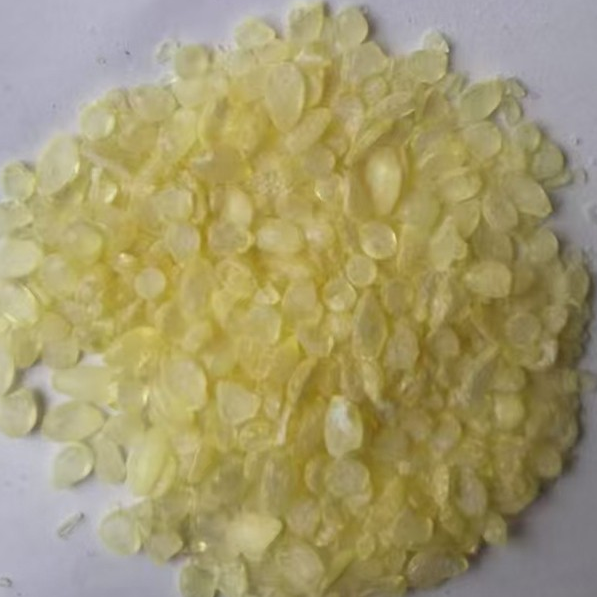
III.Main Application Fields of Environmentally friendly resin
With the characteristics of green,pollution‑free and excellent comprehensive performance,Environmentally friendly resin has a wide range of application scenarios.In the coating industry,it can be used in water‑based industrial paints,architectural coatings,anti‑corrosion coatings and wood paints,replacing high‑pollution solvent‑based resins and greatly reducing waste gas emissions.In the building material field,it is applied to environmental‑friendly floor materials,waterproof and anti‑corrosion plates and decorative composite materials,meeting the safety and environmental requirements of home and commercial decoration.
In the industrial anti‑corrosion field,it can be used for sewage treatment equipment,pipeline linings and chemical equipment protection to avoid water pollution.In the electronics and handicraft industries,it is used as environmental‑friendly adhesives,packaging materials and casting resins with safety and no irritation.At the same time,Environmentally friendly resin has achieved large‑scale application in packaging,automotive interiors,new energy materials and other fields,with continuously expanding market demand.
IV.Market Development Advantages of Environmentally friendly resin
Against the backdrop of increasingly strict environmental policies,downstream industries have continuously raised requirements for raw material environmental grades,and traditional high‑pollution and high‑energy‑consumption resins are restricted from use,bringing huge development opportunities for Environmentally friendly resin.For manufacturing enterprises,using Environmentally friendly resin can smoothly pass environmental acceptance,avoid risks of production suspension and rectification,and improve production compliance.
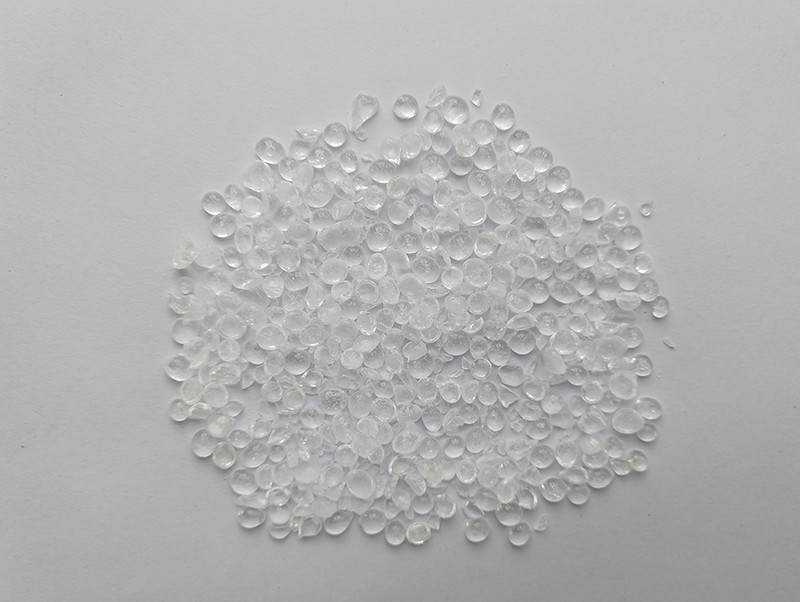
For end products,the adoption of environmental‑friendly resins can increase product added value,meet market green consumption needs and enhance market competitiveness.With the continuous upgrading of polymer synthesis technology,the cost of Environmentally friendly resin is gradually reduced and its performance continuously optimized.In the future,it will comprehensively replace traditional high‑pollution resins,become an indispensable core green raw material in industrial production,and help the whole industrial chain achieve low‑carbon transformation.

 Language


 Address:Linzi District,Zibo City,Shandong Province
 E-mail:wanbang@wanbangresin.com
 WhatsApp:+8615053337101