 Language


More Language
Language
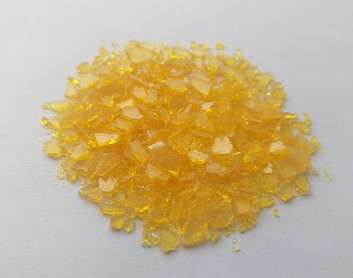
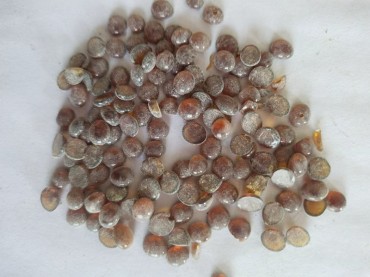
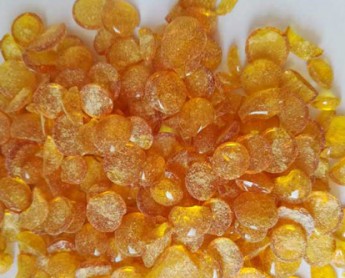
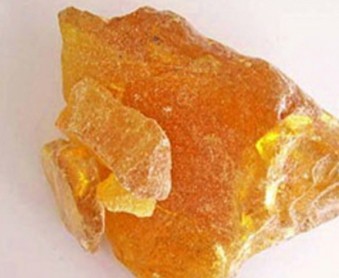
C9 petroleum resin As an important thermoplastic oligomer in the petrochemical industry chain, it has become an indispensable functional additive in adhesives, rubber, coatings, inks and other fields with its unique aromatic molecular structure, excellent viscosity and compatibility. Its temperature resistance is the core indicator that determines the application scenario, processing technology, and product service life, including short-term heat resistance and softening characteristics and long-term anti-aging thermal stability. This paper comprehensively interprets the temperature resistance code of C9 petroleum resin from five dimensions: molecular essence, performance index, influencing factors, modification pathway and industrial application, which provides a scientific basis for material selection and formulation optimization.
 1. The molecular nature and temperature resistance basis of C9 petroleum resin
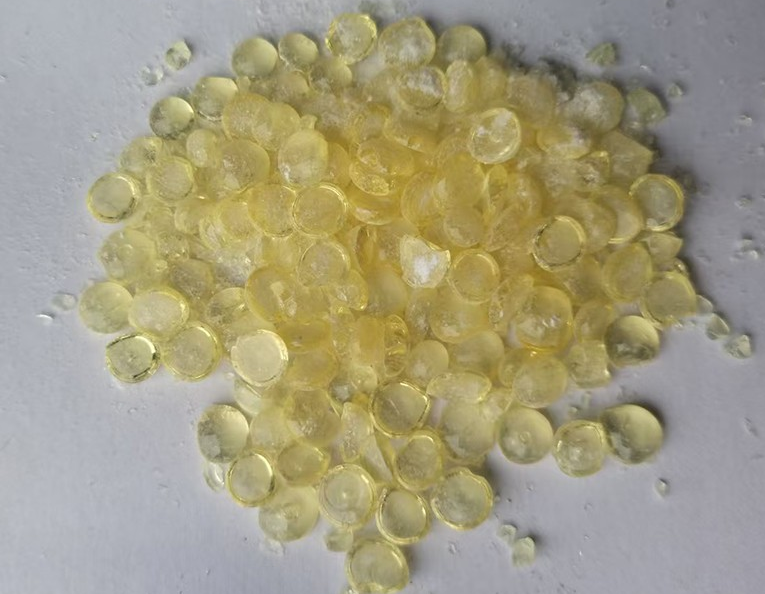
C9 petroleum resin is made from petroleum cracking fraction C9 as raw material, polymerized and refined. Its core monomers are aromatic and alicyclic unsaturated hydrocarbons such as inden, styrene, vinyl toluene, and dicyclopentadiene (DCPD). The molecular chain is rich in rigid aromatic structures such as benzene and naphthalene rings, with molecular weights concentrated between 400-1000 and oligomeric characteristics. This molecular structure is fundamental to its temperature resistance: on the one hand, the conjugated π bonds of the aromatic ring give the molecular chain high cohesion and rigidity, which improves the material's resistance to thermal deformation; On the other hand, the linear and branched molecular chain structures not only ensure the fluidity of the melt but also avoid the brittleness caused by excessive cross-linking, thus striking a balance between heat resistance and processability.
Compared with C5 aliphatic petroleum resin, C9 resin has a higher aromatic ratio and stronger molecular rigidity, so its basic temperature resistance is better. The softening point of C5 resin is mainly 80~100°C, while the softening point of ordinary C9 resin is generally 100~120°C, and the softening point of future products can even exceed 130°C. At the same time, the glass transition temperature (Tg) of C9 resin is 40~90°C. Tg is the critical temperature at which the material changes from the glass state to the highly elastic state, which determines the heat resistance of the material at high temperature and the creep resistance at high temperature - Tg, the stiffness at high temperature is good, and the deformation resistance at high temperature is also stronger.
2. Core temperature tolerance index: dual definition of softening point and thermal stability
The temperature resistance of C9 petroleum resin must passSoften the pointWithThermal stabilityThese two core indicators are comprehensively evaluated, corresponding to short-term heat resistance and long-term heat resistance, respectively, both of which are indispensable.
(1) Softening point: an intuitive criterion of short-term heat resistance
The softening point (global method) is the most critical indicator to measure the short-term heat resistance of C9 resin, which refers to the critical temperature at which the resin softens and deforms under a specific load, which directly determines the upper temperature limit and processing window of the material.
Plain C9 resin: The softening point is concentrated at 90-110°C. The structure of the thermal polymerization product is uneven due to the high-temperature side reaction, and the softening point is 90-100°C. The structure of catalytic polymer products is more regular, and the softening point can reach 100-110°C.
High softening point C9 resin: By optimizing the polymerization process and increasing the proportion of aromatic monomers, the softening point can be increased to 110–130°C. Models such as YL120 and A100 have a stable softening point of around 120°C, making them suitable for high-temperature processing environments.
Hydrogenated C9 petroleum resin: After hydrogenation, the saturation of the molecular chain is improved, and the softening point is slightly reduced (85–110°C), but the thermal stability and weather resistance are significantly improved, and it has both heat resistance and aging resistance.
The softening point is directly related to the temperature of use: in room temperature applications, the resin needs to remain in a glass state, and the temperature of use should be lower than the glass transition temperature (Tg); In high-temperature applications, short-term operating temperatures can approach the softening point, but long-term temperatures should be 20-30°C lower than the softening point to avoid continuous thermal deformation leading to bond failure and reduced mechanical strength.
(2) Thermal stability: The core components ensure long-term heat resistance
Thermal stability refers to the ability of C9 resin to resist thermal degradation and oxidative degradation in high-temperature environments, determining the long-term lifespan of the material and the safety of high-temperature processing, often evaluated through thermogravimetric analysis (TG) and thermal aging testing.
Initial thermal decomposition temperature: Under the nitrogen atmosphere, the initial decomposition temperature of ordinary C9 resin is about 280–320°C; In air, the initial decomposition temperature drops to 220–260°C due to oxidation; The initial decomposition temperature of the hydrogenated C9 resin increases to 250–290°C due to the reduction of unsaturated bonds.
Long-term thermal aging performance: In an air atmosphere of 150°C, ordinary C9 resin will show obvious yellowing, viscosity reduction and bond strength decrease after 48 hours of thermal aging; Hydrogenated C9 resins can withstand long-term thermal aging below 180°C, with performance retention of more than 85% after 48 hours and virtually no yellowing.
Thermal weight loss characteristics: The TG curve shows that the thermal decomposition of C9 resin is a one-step reaction, and the 5% thermal weight loss temperature (Td5%) is a key indicator - the Td5% of ordinary resin is about 250°C, and the Td5% of hydrogenated resin can reach 280°C. The higher the Td5%, the safer it is to process and use at high temperatures.
3. Key factors affecting the temperature resistance of C9 petroleum resin
The temperature resistance of C9 resin is not a fixed value, but is affected by three types of factors: molecular structure, production process and external environment, showing obvious performance differences.
(1) Molecular structure factors
Aromatic monomer content: The higher the ratio of indine and naphthalene monomer, the stronger the molecular chain rigidity, the higher the softening point and thermal stability. C9 resin with high indenum content can increase the softening point by 10-15°C and the thermal decomposition temperature by 20-30°C.
Molecular weight and its distribution: The larger the molecular weight, the more the molecular chain entanglement, the higher the cohesion energy, and therefore the higher the softening point. However, a wide molecular weight distribution (PDI > 3.0) can lead to thermal degradation of low molecular weight components, reducing overall thermal stability. The PDI of high-quality C9 resin is controlled between 2.0-2.5, taking into account both heat resistance and processability.
Unsaturated bond content: Double and side chain unsaturated bonds in the molecular chain are active sites for thermal oxidative degradation. The higher the iodine value (100–150 gI?/100 g for ordinary C9), the worse the thermal stability. Hydrogenation modification can reduce the iodine value to less than 30 gI?/100g, thereby significantly improving its resistance to thermal oxidation and aging.
Cross-linking degree: Moderate cross-linking can improve the softening point, but excessive cross-linking can lead to increased resin brittleness and a spike in melt viscosity, which can reduce processability. In industrial production, the degree of cross-linking must be controlled within a reasonable range.
(2) Production process factors
Aggregation methods: Thermal polymerization (220–280°C) does not require catalysts, but high temperature can easily cause cracking and cyclization side reactions, resulting in uneven product structure, high color and poor thermal stability. Catalytic polymerization (80–150°C) has become the mainstream process due to the use of Lewis acid catalyst, which has a mild reaction, regular product structure, narrow molecular weight distribution, good softening point and thermal stability.
Refinement: Unrefined resins contain residual monomers, oligomers, and catalyst impurities, which reduce the softening point and accelerate thermal decomposition; After washing, distillation and decolorization and refining, the impurity content is reduced to less than 0.5%, and the temperature resistance is significantly improved.
Hydrogenation modification: Hydrogenation is the core process to improve the temperature resistance of C9 resin. Catalytic hydrogenation of unsaturated bonds in saturable molecular chains eliminates thermal degradation active sites, thereby improving color and weather resistance. The higher the hydrogenation depth, the better the thermal stability, but the cost increases accordingly.
(3) External environmental factors
Oxygen and light: Oxygen in the air is the catalyst for the thermal oxidative degradation of C9 resin, and light accelerates the formation of free radicals. Under the combined effect of these two factors, the temperature resistance of the resin decreases sharply. Therefore, in outdoor and high-temperature aerobic environments, hydrogenated C9 resin should be preferred.
Formula composition:: C9 resin is rarely used alone and is usually compounded with EVA, SIS, rubber, etc. Antioxidants (e.g., 1010, 168) and UV absorbers in the formula can significantly improve thermal stability; Plasticizers will reduce the softening point, and their dosage must be controlled; Fillers (e.g., calcium carbonate, carbon black) can improve thermal conductivity and heat resistance, and formulation optimization can broaden the temperature range.
Load and time: Under static loads, the resin will creep after working for a long time at temperatures close to the softening point; Dynamic loads accelerate thermal fatigue. In practical applications, the long-term use temperature should be more than 20°C lower than the softening point, and the short-term processing temperature can be close to the softening point, but the time must be controlled.
4. Modification of C9 petroleum resin temperature resistance: breaking through the performance bottleneck
In order to adapt to high-temperature environments such as electronics, automotive, and high-end packaging, the industry continues to improve the temperature resistance of C9 resins through three approaches: physical mixing, chemical modification, and compounding.
(1) Chemical modification: optimize heat resistance at the molecular level
Hydrogenation modification: This is the most mature modification technology at present, divided into partial hydrogenation and full hydrogenation. Partial hydrogenation retained part of the aromatic structure, the softening point was maintained at 100–110°C, and the thermal stability was improved by 50%. Fully hydrogenated resins have a saturated aliphatic structure with a softening point of 85–95°C, but have excellent thermal oxidation stability and can withstand short-term processing up to 200°C, making them suitable for food packaging and medical adhesives.
Gathering together to change one's nature: C9-DCPD and C5-C9 copolymer resins were synthesized by copolymerizing DCPD and C5 components. The lipid ring structure of DCPD can increase the softening point to 120–130°C while enhancing toughness. C5-C9 copolymer resin combines the flexibility of aliphatic resins with the heat resistance of aromatic resins, with a softening point of 100–115°C, making it a wider range of applications.
Functional modification: Grafting maleic anhydride and epoxy groups to introduce polar functional groups, improve compatibility with polar substrates, enhance intermolecular forces, increase the softening point by 5-10°C, and improve thermal stability.
(2) Physical mixing: low cost to improve heat resistance
Compounded with high-temperature resistant resin: C9 resin is mixed with rosin resin, terpene resin, and phenolic resin to improve overall heat resistance by utilizing the rigidity of high-temperature resistant resin. For example, when C9 resin is compounded with rosin glyceride (softening point 130°C) in a ratio of 7:3, the softening point of the mixture can reach 115°C, and the thermal stability is significantly improved.
Heat-resistant additives are added: Compound hindered phenolic antioxidants, phosphite co-antioxidants, carbon black, etc., to form a synergistic protection system. The addition of 0.5%~1.0% antioxidant can extend the thermal aging life of C9 resin by 2~3 times, and increase the temperature of 5% thermal weight loss by 20~30°C.
Nano filler compounding: Nano silica and nano calcium carbonate are added to limit the thermal movement of molecular chains using the high specific surface area and barrier effect of nanomaterials, thereby improving the softening point and thermal stability. The addition of 3%~5% nanofiller can increase the softening point of C9 resin by 8~12°C.
5. Application scenarios and selection guidelines for temperature resistance of C9 petroleum resin
According to the difference in temperature resistance, C9 petroleum resin has formed a clear selection logic in different industrial fields, which can accurately match the needs of the scene.
(1) Adhesive industry: temperature resistance determines bonding reliability
General hot melt adhesive (packaging, woodworking): Ordinary C9 resin with a softening point of 90–100°C and a temperature of -20°C to 80°C to meet ambient and medium temperature bonding requirements at low cost.
High-temperature hot melt adhesives (automotive, electronics): Choose a high-softening point C9 or C9-DCPD copolymer resin with a softening point of 110–130°C, use at a temperature of -40°C to 120°C, suitable for engine peripheral seals and electronic component packaging, and can withstand short-term processing at 150°C.
Pressure-sensitive adhesives (labels, tapes): Hydrogenated C9 resin with a softening point of 85–95°C and a Tg of 40–60°C is selected, which remains viscous at room temperature, does not creep at high temperature (80°C), has excellent weather resistance, and is suitable for outdoor labels and medical pressure-sensitive adhesives.
(2) Rubber industry: heat resistance improves product service life
C9 resin can improve the thermal oxidation aging performance of rubber as a tackifier and reinforcing agent of rubber. Adding 10%~15% C9 resin (softening point of 100~110°C) to tires, conveyor belts and seals can extend the thermal aging life of rubber products by 30%~50% and increase the service temperature to 120°C, so as to adapt to high-temperature industrial rubber application scenarios.
(3) Coatings and inks: heat resistance ensures film forming quality
In road marking coatings and industrial anti-corrosion coatings, C9 resin improves the heat resistance and sprayability of coatings. C9 resin with a softening point of 100–110°C can be coated, and the film will not turn yellow or dry after baking at high temperature at 150°C. In inks, the softening point of coking C9 resin is 85–95°C, which has excellent thermal stability and is suitable for high-temperature drying in high-speed printing, thus ensuring the dryness and drying power of epoxy resin.
The temperature resistance of C9 petroleum resin is the result of the combined action of molecular structure, production process and external environment. The softening point of ordinary products is 90~110°C, and the upper limit of thermal stability is 150°C. Hydrogenation and copolymerization modified products can increase the softening point to 130°C and break through the upper limit of thermal stability to 180°C, forming a temperature-resistant system covering medium and high temperature application scenarios. Its aromatic molecular structure is the basis of temperature resistance, modification technologies such as hydrogenation and copolymerization are the core of breaking through performance bottlenecks, and formulation optimization and additive ratio are the keys to adapting to different application scenarios.
With the increasing demand for heat resistance of materials in electronics, automotive, new energy and other industries, C9 petroleum resin is moving towards itHigh softening point, high stability, low color and environmental protection, etcdirection development. In the future, through precise molecular design, green catalytic polymerization and nanocomposite technology, the upper limit of temperature resistance of C9 resin is expected to exceed 200°C, taking into account processing performance and cost, and becoming a core heat-resistant functional material in high-end industrial fields. Interpreting the temperature resistance code of C9 petroleum resin is not only the basis for understanding material properties, but also the core way to achieve efficient material selection, formulation optimization, and product upgrades.
 Address:Linzi District,Zibo City,Shandong Province
 E-mail:wanbang@wanbangresin.com
 WhatsApp:+8615053337101
China C5 hydrogenated petroleum resin supplier : Shangdong Wanbang New Materials Co., Ltd.
C5 hydrocarbon resin manufacturer has a wide range of applications, high quality, low price, and multiple uses.Welcome to consult.