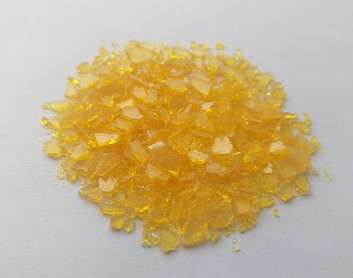
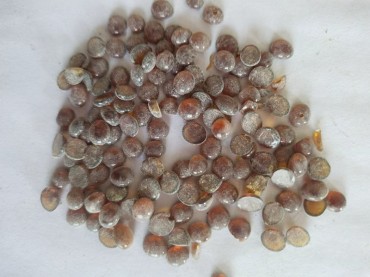
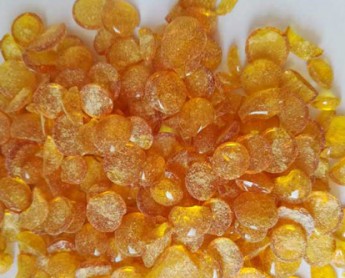
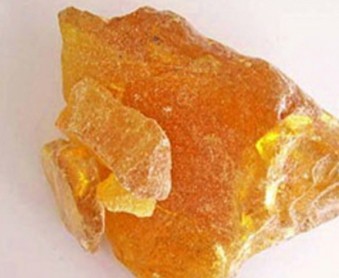
In the field of chemical materials, various new materials continue to emerge, injecting new vitality into the development of many industries. Among them, C9 petroleum resin, as a material with unique properties and wide application prospects, is gradually receiving widespread attention from the industry. So, what exactly is C9 petroleum resin?
1. Basic characteristics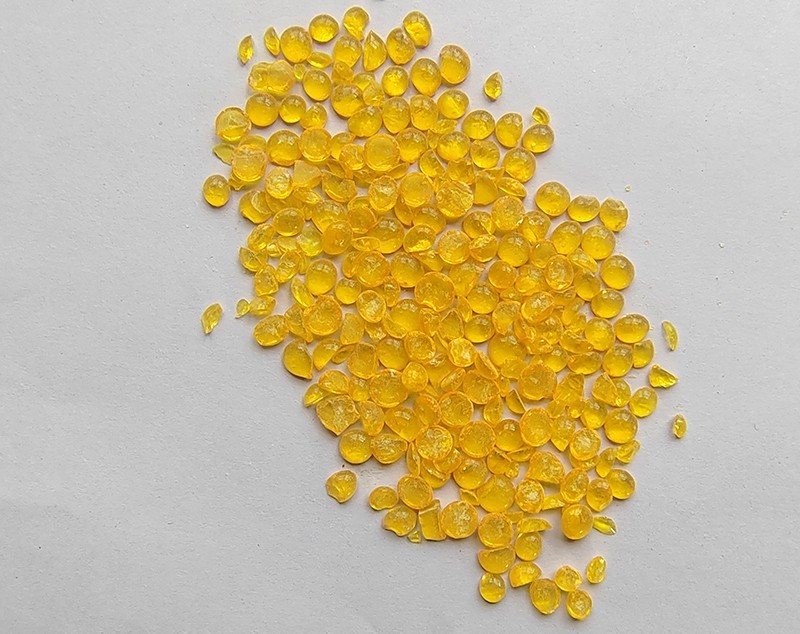
(1) Molecular weight: generally less than 2000, belonging to the category of oligomers.
(2) Softening point: Below 150 ℃, it appears as a thermoplastic viscous liquid or solid state.
(3) Weather resistance: It has good water resistance, acid and alkali resistance, weather resistance, and light aging resistance.
(4) Solubility: Good solubility in organic solvents and good compatibility with other resins.
(5) Functional characteristics: It has brittleness, increased viscosity, adhesiveness, and plasticity.
2. Preparation method
The preparation of C9 petroleum resin mainly involves the following two methods:
(1) Polymerization in the presence of a catalyst: using a catalyst to promote the polymerization reaction of unsaturated monomers in C9 fractions.
(2) Co polymerization with aldehydes, aromatic hydrocarbons, and terpenes: Through co polymerization reactions, other components are introduced to improve the performance of the resin.
3. Application Fields
C9 petroleum resin has a wide range of applications in multiple fields due to its unique properties:
(1) Coating industry: Used as a modifier, it can improve the gloss, hardness, water resistance, stability, and chemical resistance of coatings, while reducing costs.
(2) Rubber additive: used in the rubber industry as a softening additive to improve the viscosity and softness of rubber, and enhance the physical properties of rubber products.
(3) Paper additive: Used as a sizing or reinforcing agent for paper to enhance its waterproof, oil resistant, and printing properties.
(4) Ink manufacturing: increases the viscosity and adhesion of ink, improves printing performance and friction resistance.
(5) Adhesive: As a tackifier, it improves the bonding strength, heat resistance, and creep resistance of adhesives, and is suitable for various bonding needs.
4. Modification direction
With the development of technology, research on the modification of C9 petroleum resin is also constantly deepening. At present, the modification of C9 petroleum resin mainly develops in the following two directions:
(1) Chemical modification: By introducing polar groups into C9 resin, its compatibility and dispersibility with polar compounds can be improved. The product can be used as a water quality stabilizer, thickener, etc.
(5) Hydrogenation modification: After resin polymerization, hydrogenation treatment is carried out to break the double bonds in the resin and form single bonds, making the resin colorless and odorless, while improving its weather resistance, adhesion, stability and other properties, further expanding its application fields.
C9 petroleum resin, as an important chemical material, occupies a significant position in the chemical industry due to its unique properties and wide range of applications. From rubber to coatings, from adhesives to papermaking, C9 petroleum resin is changing the development pattern of various industries with its unique advantages. I believe that in the future development, C9 petroleum resin will continue to innovate and improve, bringing us more surprises and convenience. I hope that through this introduction, everyone can have a more comprehensive and in-depth understanding of C9 petroleum resin.

 Language


 Address:Linzi District,Zibo City,Shandong Province
 E-mail:wanbang@wanbangresin.com
 WhatsApp:+8615053337101