 Language


More Language
Language
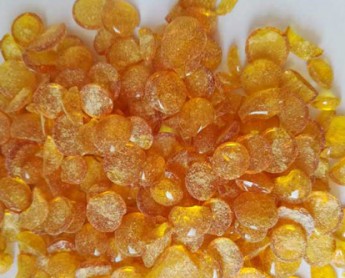
In the production process of C9 thermally polymerized petroleum resin, the softening point is a key performance indicator, which directly affects the application field and effectiveness of the resin. The adjustment of the softening point of C9 thermally polymerized petroleum resin can be mainly achieved through the following methods:
2. Type and dosage of catalyst: The selection and dosage of catalyst can also affect the progress of polymerization reaction and the molecular weight distribution of resin, thereby affecting the softening point. By adjusting the type and amount of catalyst, the polymerization reaction can be finely controlled to obtain resin products with the desired softening point.
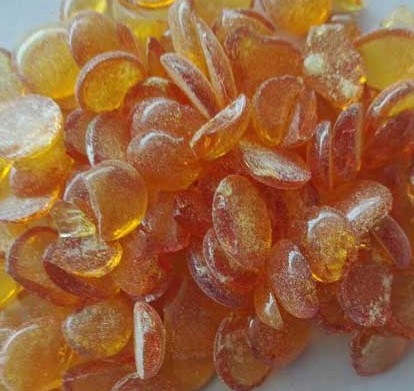
In the production process of C9 thermally polymerized petroleum resin, the flash evaporation system is used to remove unreacted raw materials and volatile components. By adjusting the flash evaporation temperature and vacuum degree of the flash evaporation system, the molecular weight distribution of the resin can be changed, thereby affecting the softening point. However, this method is mainly a temporary adjustment approach that may introduce other issues such as resin clumping and decreased thermal stability while improving the softening point.
Hydrogenation modification is an effective method to enhance the performance of C9 thermally polymerized petroleum resin. By hydrogenation treatment, the content of unsaturated bonds in the resin can be reduced, and the occurrence of oxidation and substitution reactions can be minimized, thereby improving the thermal and photostability of the resin. Meanwhile, hydrogenation treatment may also have a certain impact on the softening point of the resin. Although there is relatively little research on hydrogenation modification directly targeting softening point adjustment, the changes in resin molecular structure during hydrogenation treatment may indirectly affect its softening point.
In addition to the above methods, the softening point of the resin can also be adjusted by adding appropriate amounts of additives such as softeners, plasticizers, etc. However, this method needs to be used with caution as the addition of additives may affect other properties of C9 thermally polymerized petroleum resin, such as water resistance and chemical resistance.
 Address:Linzi District,Zibo City,Shandong Province
 E-mail:wanbang@wanbangresin.com
 WhatsApp:+8615053337101
China C5 hydrogenated petroleum resin supplier : Shangdong Wanbang New Materials Co., Ltd.
C5 hydrocarbon resin manufacturer has a wide range of applications, high quality, low price, and multiple uses.Welcome to consult.