 Language


More Language
Language
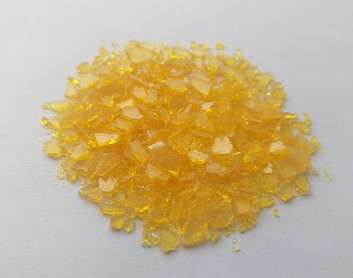
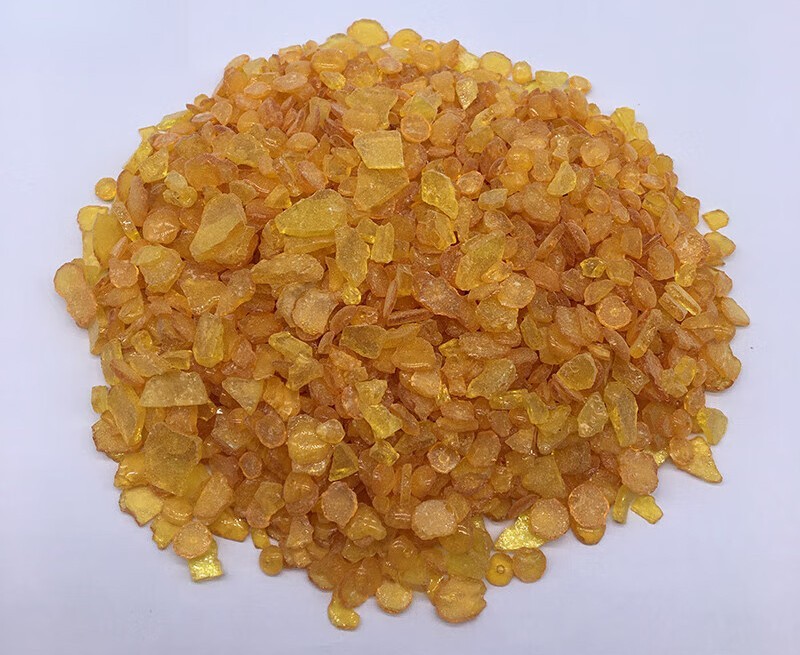
With the continuous advancement of industrial technology, the stability requirements for materials in high-temperature environments are becoming increasingly stringent. Recently, an in-depth study was conducted on the stability of 10 # sheet-like 110 softening point C9 petroleum resin in high-temperature environments, and it was found that the product can still maintain excellent performance under extreme temperature conditions, providing strong support for its application in related industries. C9 petroleum resin, as an important chemical raw material, is widely used in fields such as coatings, rubber, inks, and adhesives. This study is of great significance for promoting the application of C9 petroleum resin in high-temperature environments.
10# flake 110 softening point C9 petroleum resin is a thermoplastic resin produced by catalytic polymerization or thermal polymerization of C9 fraction, a byproduct of ethylene cracking unit, as the main raw material. It has good solubility, mutual solubility, water resistance, insulation, and chemical stability to acids and bases. These basic characteristics lay the foundation for the performance of C9 petroleum resin in various application environments.
However, it should be noted that high temperatures may accelerate certain oxidation reactions or cause interactions between the resin and other chemicals. Therefore, in practical applications, it is necessary to evaluate the specific high-temperature environment and chemical conditions that affect the stability of C9 petroleum resin.
3. Changes in physical properties:
In high temperature environments, the viscosity of C9 petroleum resin may decrease, which may affect its performance in certain applications, such as adhesive strength when used as an adhesive or coating hardness when used as a coating.In addition, high temperature may also cause color changes or volatile compounds in C9 petroleum resin, which may affect the appearance and quality of the product.
 Address:Linzi District,Zibo City,Shandong Province
 E-mail:wanbang@wanbangresin.com
 WhatsApp:+8615053337101
China C5 hydrogenated petroleum resin supplier : Shangdong Wanbang New Materials Co., Ltd.
C5 hydrocarbon resin manufacturer has a wide range of applications, high quality, low price, and multiple uses.Welcome to consult.